China's Golden Week Car Showrooms Are Quiet as Buyers Wait
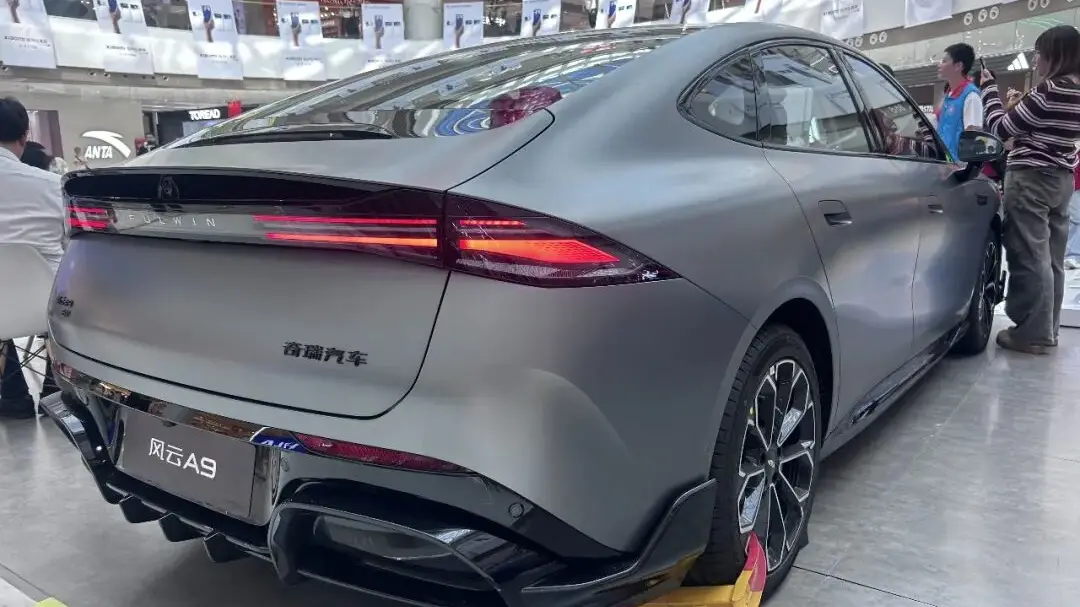
Walk through a Beijing shopping mall during China’s National Day holiday and the contrast is hard to miss. Toy stores, dessert counters and pop-up market stalls are packed. The electric car showrooms on the same floor are not. At several brands, staff sat chatting among themselves, and few stepped forward when a customer wandered in.
The National Day break, running the first week of October, is one of China’s two big annual travel and shopping windows. For years, dealers counted on it alongside the autumn phrase jin jiu yin shi, meaning golden September and silver October, to close a rush of sales. This year, reporters visiting Beijing showrooms found that script falling flat. Sales staff said holiday-specific discounts were rare, and most brands put their real incentives into online launch benefits tied to new models rather than walk-in deals.
That shift matters because it changes how buyers behave. A shopper who once drove to a mall expecting a holiday price cut now compares offers on a phone first, then visits a store mainly to sit in the car. Several staff described the same pattern: people come to look, take photos, ask about battery range, then leave saying they will decide later. The showroom becomes a display case rather than a checkout counter.
The timing is awkward for the industry. September and October sales figures, released in early October, showed the market splitting sharply. SAIC Motor edged past BYD by roughly 15,000 vehicles across the first three quarters to retake the top spot, while the race among newer electric brands reshuffled again. Most automakers are tracking well behind the annual targets they set in January, which puts pressure on the final quarter.
When targets slip, the usual response is discounts. But heavy discounting has already squeezed margins across the sector, and brands are wary of gutting resale values that customers watch closely. That helps explain the holiday quiet: rather than slash sticker prices, companies front-load value into launch packages, free charging credits or software features offered at the moment a model goes on sale.
Chinese buyers have learned to read this game. A model launched in late September with generous first-sale rights can look cheaper than an older car with a modest holiday rebate. Waiting is rational. So is treating a mall visit as research rather than a purchase. Dealers privately admit the old calendar of peak seasons is weakening, because promotions now follow product launches, not public holidays.
None of this means Chinese consumers have stopped buying cars. It means the moment of decision has moved. The showroom crowd that once defined golden September may simply be standing in line for dessert instead, phone in hand, comparing two launch offers before ever speaking to a salesperson.
For global automakers watching China, the lesson is that holiday foot traffic no longer predicts sales. What moves metal here is the launch calendar, the software bundle and the financing terms attached to a specific model, not a red banner in a mall corridor. The brands that understand this are the ones quietly winning the fourth quarter.