Porsche's New 2035 Strategy: Profit Over Volume, Super-Rich Over Everyone
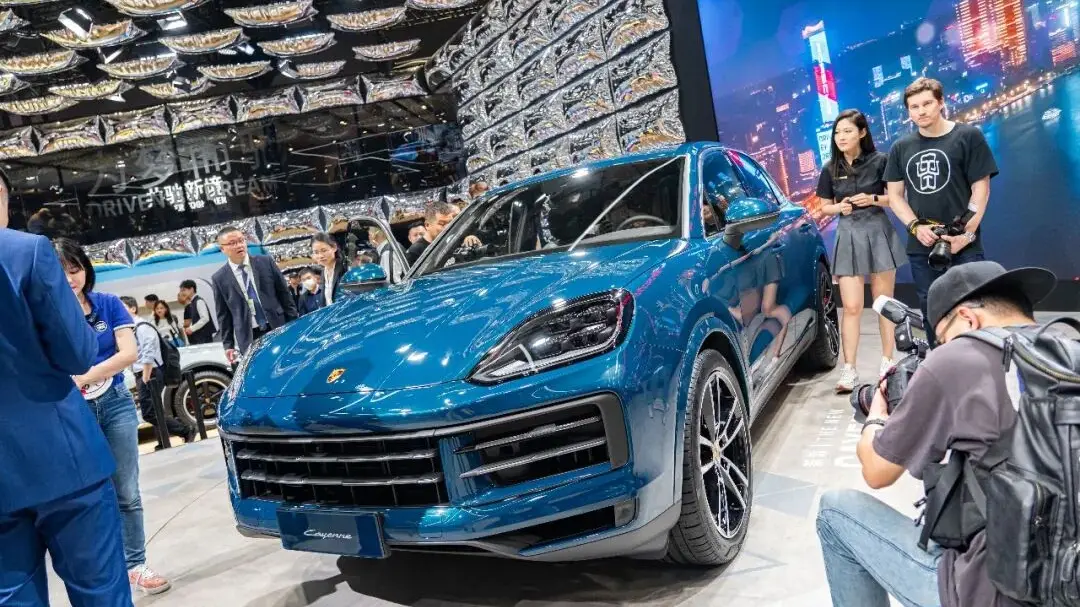
Porsche spent the first half of 2026 learning an uncomfortable lesson: a faster electric lineup does not automatically sell more cars. Sales and revenue kept sliding, and profitability stayed near multi-year lows. So the German brand has done something unusual for a carmaker — it has taken volume off the scoreboard entirely.
Earlier this year Porsche introduced a slogan it called “Value over Volume.” Its newly published 2035 strategy turns that phrase into concrete plans covering product lineup, powertrain choices, company structure and its portfolio of assets. The headline number: Porsche now aims to hold its break-even point below 200,000 vehicles a year, rather than chasing the larger volumes that once defined its growth story.
That is a deliberate narrowing of ambition. For decades, the playbook at premium and super-luxury brands was to push downstream — cheaper models, more units, wider appeal — and let scale carry the profits. Porsche is reversing the flow. Instead of trying to sell more cars to more people, it wants to sell more expensive cars to fewer, wealthier buyers: limited editions, high-margin performance variants, personalization and services layered on top of the vehicle itself.
The strategy also loosens the company’s earlier commitment to an all-electric future. The new plan treats powertrains as a portfolio rather than a race, keeping combustion and hybrid options alive where customers still want them, while electrification continues where demand and regulation support it. For a brand that once set some of the industry’s most aggressive EV targets, that is a notable retreat — and a signal that the transition is being run by the balance sheet, not the press release.
The organizational side matters too. A strategy that prizes margin over volume usually means fewer variants, tighter model cycles and a smaller, more focused cost base. Porsche has already been trimming jobs as electric shift pressures profits, and the 2035 plan suggests more discipline is coming in how the company spends on platforms and factories.
For global readers, the significance goes beyond one sports-car maker. Porsche is a bellwether for the whole luxury auto market, which is being squeezed from two directions: cheaper, tech-heavy electric cars from China and elsewhere are raising the bar on what buyers expect for the money, while wealthy consumers in Europe and North America have become more selective about big-ticket purchases. When the most profitable car company in the world says volume no longer matters, it is effectively admitting that the old growth formula has stopped working.
The super-rich, of course, are a smaller and more volatile customer base. Betting on them means Porsche’s fortunes will track wealth markets, collectible demand and the mood of a few hundred thousand buyers rather than the mass premium segment. It is a narrower road, but potentially a more profitable one.
What to watch next is execution. A break-even point under 200,000 vehicles is a promise about cost discipline as much as pricing power, and the 2035 horizon gives Porsche room to be wrong for a while. The question is whether the brand can stay desirable enough, in a market flooded with excellent electric alternatives, to keep charging super-luxury prices for a car that is no longer trying to be everywhere.