Hong Kong Regulator Halts Tea Baidao Trading Over Suspected IPO Manipulation
Trading in Tea Baidao, one of China’s best-known bubble tea chains, was halted on the Hong Kong stock exchange after the city’s securities regulator said its 2024 initial public offering may have been manipulated to create a false picture of investor demand.
The Securities and Futures Commission ordered the suspension on October 13 under a rule that lets it stop trading in a listed company’s shares while it investigates. Crucially, the regulator’s inquiry targets two groups suspected of rigging the IPO, not Tea Baidao or its management. That distinction matters: the company is, for now, a witness rather than a defendant.
The case has nevertheless unsettled investors in Hong Kong’s new consumer listings. Tea Baidao, founded in the southwestern city of Chengdu, operates thousands of outlets across China and became a household name for its fruit teas and signature cheese-topped drinks. Its 2024 debut was closely watched as a test of whether China’s fiercely competitive bubble tea sector could win over public market investors.
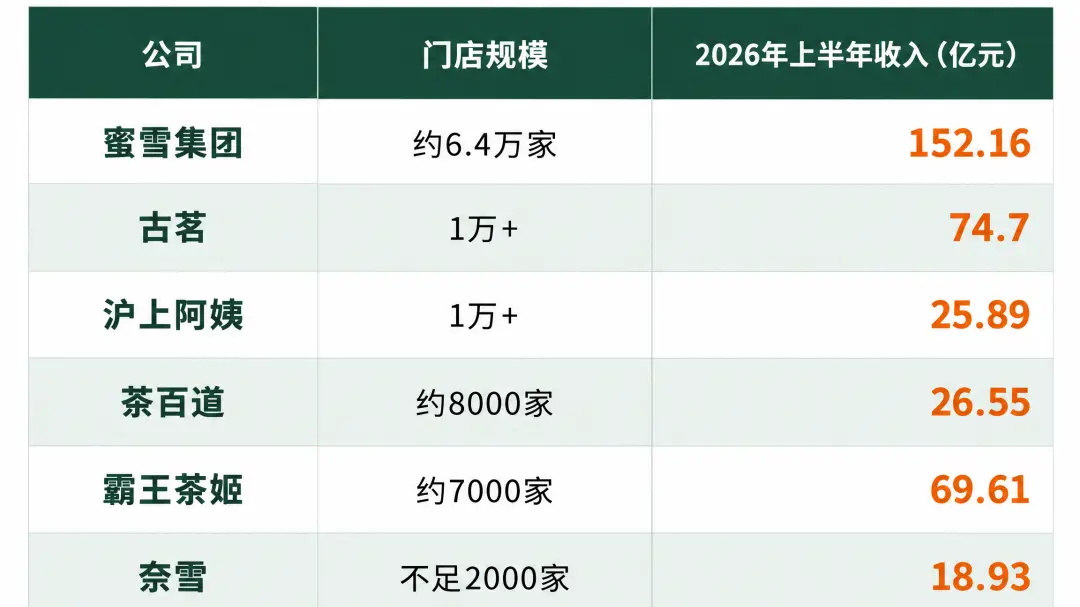
That sector has been on a rollercoaster. Rivals including Mixue and Guming have also pursued Hong Kong listings, drawn by the city’s deep pool of international capital and its role as a gateway for mainland companies. But the industry’s economics are brutal: stores multiply quickly, discounts are constant, and margins are thin. Investors increasingly question whether growth in store counts translates into durable profit.
The manipulation allegations, if proven, would point to a different problem: the mechanics of the listing itself. Regulators in Hong Kong have grown more assertive about policing how shares are allocated and whether demand is genuine. An IPO that looks heavily oversubscribed can lure retail investors, and any suggestion that the books were dressed up strikes at the credibility of the whole market.
For Tea Baidao, the immediate cost is a frozen share price and a cloud over its corporate story. A prolonged suspension can also complicate financing, employee stock plans and expansion. The company has not been accused of wrongdoing, and a suspension is not a finding of guilt. But the longer the halt drags on, the harder it becomes for the brand to focus on the shop floor rather than the courtroom.
The wider lesson may be about speed. China’s consumer brands have raced to public markets in recent years, eager to convert fame into capital. That race has produced some spectacular successes and some cautionary tales. Regulators now appear willing to slow the process down when the paperwork looks too good to be true.
For global readers, the story is a reminder that a stock listing is not just a marketing milestone but a legal event. When a company sells shares to the public, it invites scrutiny of everything from its finances to the way those shares were placed. Tea Baidao’s next chapter will be written less by its menus than by investigators — and by whether investors decide the brand’s fundamentals still justify a seat at the table.