China's Holiday Car Dealers Bet Big on Subsidy Deadline
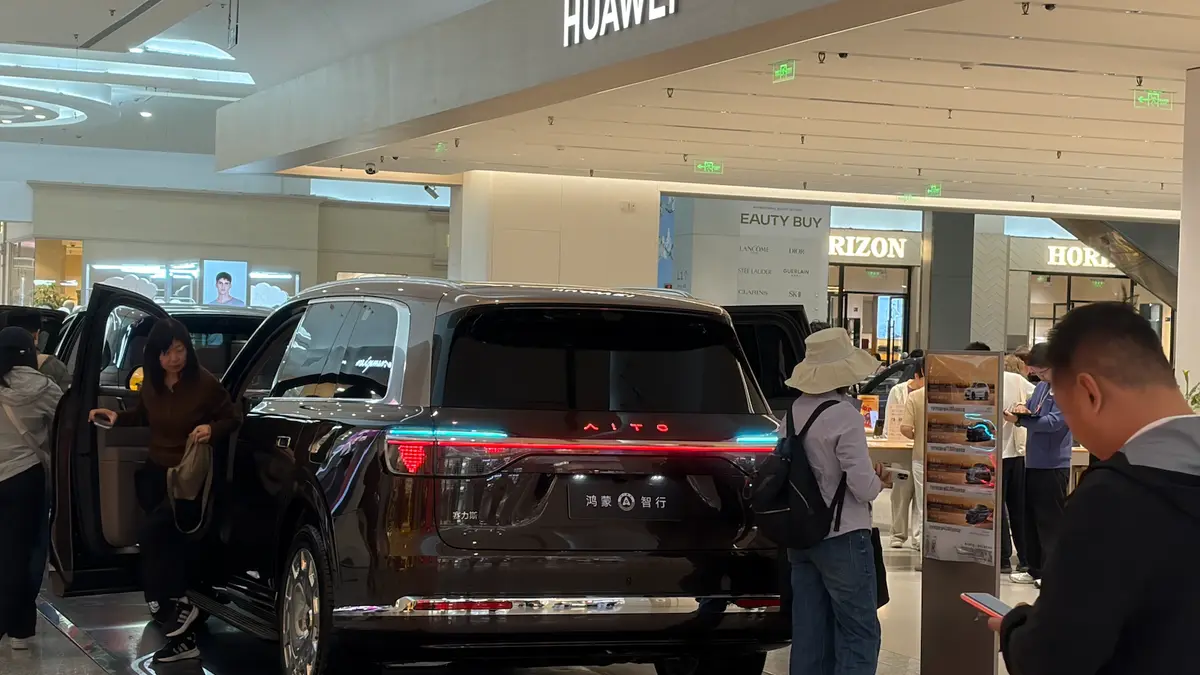
Walk into a Tesla showroom in Beijing on the fifth day of China’s National Day holiday and you would find three display cars ringed by at least five groups of customers at once, sales staff weaving between them to repeat the latest price and financing offers. One salesperson called it the best deal on a Model 3 in years. That scene, reported by Jiemian News, captures how China’s car market entered the final quarter of 2026: crowded showrooms, aggressive promotions, and buyers who sense a clock ticking.
The holiday, which runs from October 1 and marks one of the year’s two big shopping windows alongside Lunar New Year, has become a launchpad for the fourth-quarter sprint. Automakers timed new model launches and limited-time offers to the break, hoping to pull families into malls and dealers while they had free time and travel budgets already spent. Dealers describe the pattern as predictable but intense: foot traffic spikes, test drives get booked solid, and financing desks stay busy late.
What makes this year different is a policy change landing on January 1, 2026. China has been phasing down the purchase tax exemption that helped make electric vehicles cheaper than comparable gasoline cars. From next year, buyers of many new energy vehicles will pay roughly half the standard 10 percent purchase tax, meaning a car priced around 200,000 yuan could cost several thousand yuan more after the calendar flips.
That math has turned the last three months of 2026 into a race. Analysts quoted by Chinese outlets expect two distinct waves of buying: one now, as holiday shoppers lock in orders to beat the deadline, and another in December, when fence-sitters finally commit. Dealers are leaning into both, advertising “lock in this year’s price” and offering deposit refunds for customers who order now but take delivery later.
Competition is also reshaping the discounts. Tesla, long the price leader in China’s premium electric segment, has repeatedly cut sticker prices and rolled out zero-interest financing to defend share against BYD, Nio, Xpeng and a wave of state-backed brands. Traditional joint ventures, slower to electrify, are discounting gasoline models heavily to clear inventory. The result is a market where almost nobody pays list price, and where a holiday promotion can vanish within a week.
For consumers, the calculation is genuinely tricky. Waiting could mean a better car, since new models with fresher batteries and smarter driver assistance arrive almost monthly. Waiting could also mean paying more tax, losing a limited-time discount, or missing out on a trade-in subsidy that some provinces cap by budget rather than by date. Many shoppers resolve the tension by ordering now and choosing a flexible delivery window.
Dealers, meanwhile, are managing thin margins. Holiday traffic looks impressive, but conversion matters more than crowds. Sales staff say customers arrive better informed than ever, comparing prices across apps and quoting rival offers to negotiate. That transparency squeezes the old tricks of hidden fees and bundled insurance.
Whether the holiday buzz translates into a strong quarter will depend on December. If the tax deadline does what economists expect, the final weeks of 2026 could see showrooms as busy as they were this week. After that, the industry faces a quieter January and a harder question: how much of this demand was pulled forward, and how much was real.