22 Chinese EV Brands Head to Paris as Europe's Cheap Cars Vanish
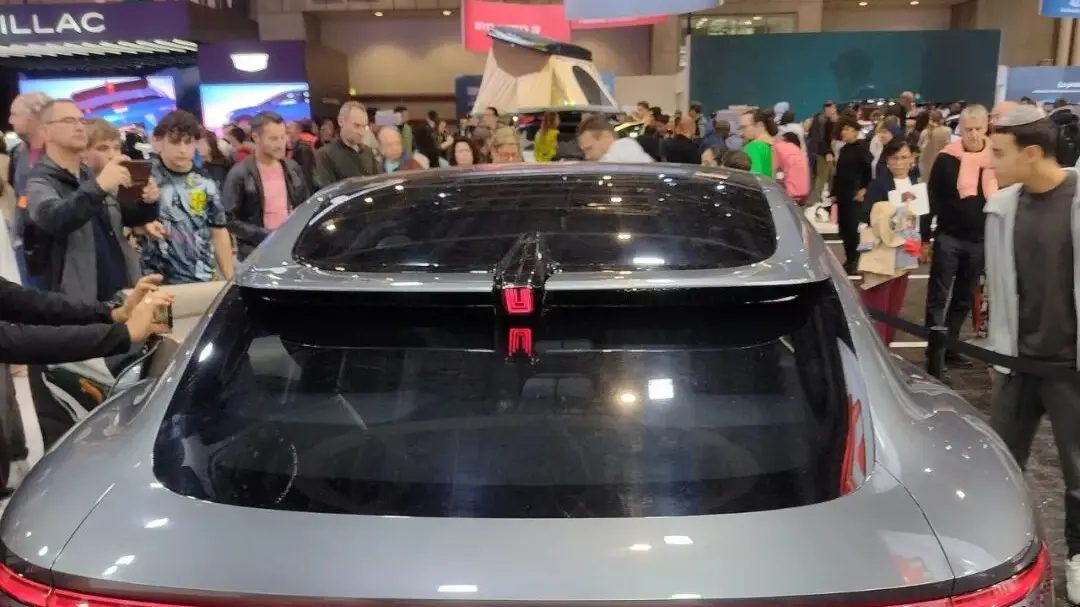
The 2026 Paris Motor Show opens on October 12 at the Porte de Versailles exhibition center, and the loudest presence on the floor will not be European. Twenty-two Chinese electric vehicle brands are preparing to appear together, turning the biennial French show into something closer to a group debut than a scattered export push.
The backdrop is a European market that has quietly lost its cheapest layer. At the previous edition of the show, Stellantis chairman John Elkann offered a number that has circulated widely since: in 2019, European buyers could choose from 49 models priced below 15,000 euros. Today, by his count, only one remains.
That gap is the opening Chinese carmakers are aiming at. Their pitch is not luxury or motorsport heritage but the ordinary family budget — a compact electric hatchback or small crossover that a European household can actually finance, with a battery range suited to daily commuting rather than cross-continent touring.
Coming to Paris as a bloc is also a statement about scale. Instead of one brand testing the water, the show floor becomes a survey of an entire industry: budget-focused marques, mid-market challengers, and the premium-leaning spinoffs that Chinese groups have spun up in recent years. For European visitors who have read about Chinese electric vehicles but rarely seen them side by side, the effect is meant to be cumulative.
The timing reflects a broader shift in how Chinese automakers talk about Europe. Early export efforts were about shipping cars and finding distributors. The current phase is about local presence — design studios, engineering hires, dealer networks, and in some cases assembly plans — because selling into Europe at volume requires service, parts and resale value that customers can trust.
European manufacturers, meanwhile, are caught between two pressures. Small, affordable cars carry thin margins, and the cost of electrification has pushed many brands upmarket, where profits are easier. That retreat left the entry level unusually empty just as Chinese competitors arrived with vehicles designed for exactly that price band.
For global readers, the significance goes beyond one auto show. The affordable electric car is the test case for whether electrification reaches ordinary drivers or stays a premium product. If Chinese brands can deliver credible small EVs in Europe at prices European makers have abandoned, they reshape the continent’s car market — and set the terms for the next decade of competition.
Paris will not settle that question in a week. Show cars are not sales figures, and European buyers are cautious about unfamiliar badges, software and long-term service. But the direction is clear: the cheap end of the electric car market, once an afterthought, is now the main battlefield, and 22 Chinese brands intend to fight for it on European soil.