Huawei Tests Car Satellite Link on China's Toughest Mountain Road
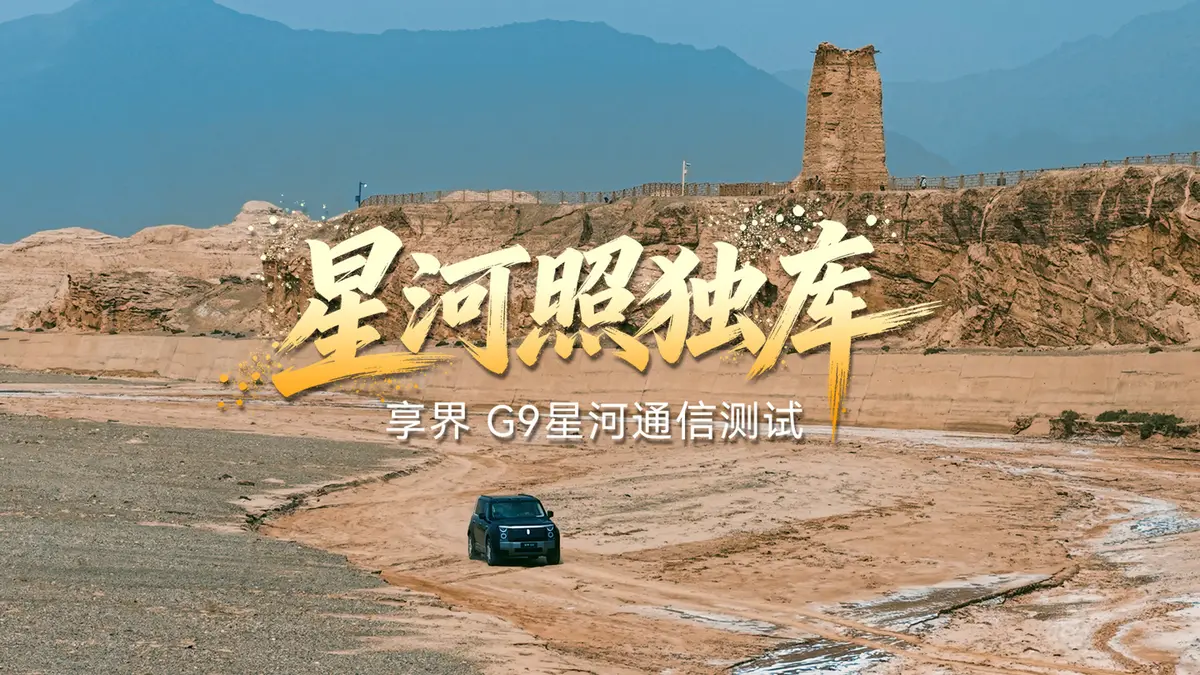
A 561-kilometer road that snakes through the Tianshan mountains in northwest China has become an unlikely proving ground for car connectivity. The Duku Highway, which links the northern and southern halves of Xinjiang, climbs through deep valleys where mountains block ordinary phone signals, leaving drivers with dropped calls, dead navigation and long stretches of no service at all.
Richard Yu, the executive who heads Huawei’s consumer and automotive terminal business, said his team drove the route in a Xiangjie G9 and repeatedly measured the car’s Xinghe, or Galaxy, communications system. According to his post, the vehicle held a good signal on more than 98.7 percent of the road. The company describes Xinghe as one of six signature technologies bundled into HIMA, its smart-car software and hardware platform.
The claim matters because connectivity has quietly become a battleground in China’s electric vehicle market. Buyers who once compared horsepower and battery range now ask how well a car stays online in tunnels, on remote highways and in the deep countryside. A vehicle that loses its map or its emergency call function in the mountains is not just inconvenient; it can be genuinely risky.
Huawei is not a carmaker in the traditional sense. It supplies chips, operating systems, sensors and communications modules to several Chinese automakers, and cars carrying its technology are sold under brands such as Aito, Luxeed and Xiangjie. That makes the Duku Highway test as much a marketing exercise as an engineering one, aimed at convincing drivers that a Huawei-equipped car is more dependable when the road gets lonely.
Satellite communication in cars is still young. Most systems rely on a combination of cellular networks and satellite links, switching automatically when ground coverage fails. Chinese phone makers have already pushed satellite messaging into flagship handsets, and car companies are following the same path, betting that drivers will pay for the reassurance of staying reachable far from a cell tower.
Xinjiang’s geography makes it a natural test case. The Duku Highway crosses high passes and narrow gorges, and its short open season draws heavy holiday traffic. Drivers there have long traded tips about which stretches go dark. A measurable improvement on that route is easy for ordinary motorists to understand, which is exactly why the company publicized the number.
Rivals are moving in the same direction. Several Chinese automakers now advertise satellite calling or emergency messaging, and telecom operators have begun offering packages aimed at connected cars. The competition is less about raw speed than about reliability: whether a system holds up when mountains, storms and congestion all work against it.
For global readers, the episode is a reminder of how quickly Chinese cars have become software and communications products. A decade ago, the selling points were price and fuel economy. Today, a company best known for networking gear is measuring signal coverage on a mountain road and turning the result into a headline, betting that staying connected will matter as much as how far a car can drive.