China's Feitian TV Awards Turn a Spotlight on Celebrity Illiteracy
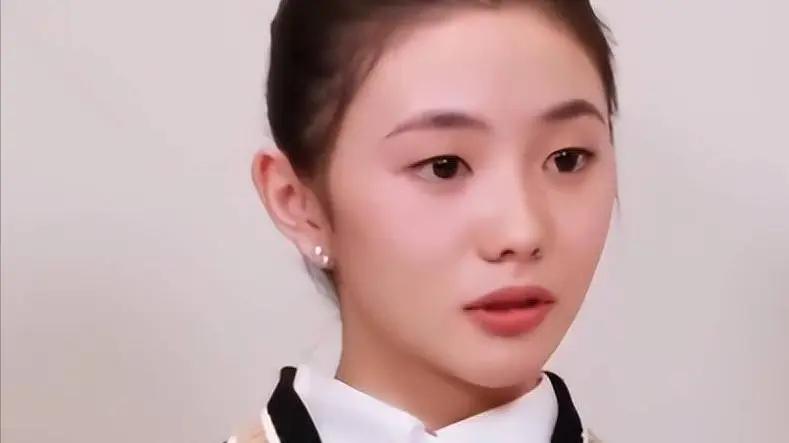
The 35th Feitian Awards, one of China’s top honors for television drama, handed out its trophies this month. But the night’s most-discussed moment was not a surprise winner. It was the gap between the winners who spoke with substance and the celebrities who stumbled when handed a microphone.
Wang Renjun, named outstanding actor, used his four-minute acceptance speech to talk about his character, the creative process and the veterans who helped him — without a single filler line. Song Jia, who took the actress prize, immediately redirected credit to Zhang Guimei, the real-life teacher her role was based on. The audience noticed. On Chinese social media, clips of the two speeches circulated alongside older, less flattering footage of other stars.
That contrast revived a commentary piece published by CCTV.com, the website of state broadcaster CCTV, under the provocative title ‘Can Desperate Illiterates Act Well?’ The article argued that some young performers lack basic cultural literacy: they miswrite common characters, mispronounce names and cannot explain the background of the roles they play. The piece resurfaced this week as netizens paired it with the awards ceremony, calling it a prophecy written in advance.
Fans of the criticized stars pushed back, saying edited clips distort reality and that acting is a craft, not a literature exam. But the debate has been simmering for years. Variety shows have repeatedly caught guests confusing historical periods, misreading classical poems or failing to name a book they claim to have read. Each incident becomes a meme, and each meme feeds a broader anxiety about a celebrity culture built on looks and follower counts rather than training.
The Feitian Awards, run by the National Radio and Television Administration, have long been seen as the more sober counterpart to commercial trophy shows. Its jury tends to favor socially meaningful dramas and stage-trained actors over internet sensations. That reputation made this year’s ceremony a natural stage for the argument: the people who won were precisely the ones who could speak clearly about their work.
Industry veterans say the problem is structural. Talent agencies often recruit teenagers for their appearance, then rush them into back-to-back shoots with little time for reading, research or rehearsal. Acting coaches are sometimes hired to drill line delivery rather than to help performers understand a script. The result is a pipeline of stars who can cry on cue but freeze when asked what their character wants.
Not everyone sees a crisis. Some producers argue that technical skill and emotional instinct matter more than book learning, and that plenty of celebrated actors left school early. The counterargument, increasingly common online, is that cultural literacy is not about diplomas but about curiosity — the willingness to read the source novel, research the era and understand the person being portrayed.
For now, the awards season has given the debate a fresh frame. The image of a winner speaking earnestly about craft, set against a montage of celebrities mispronouncing names, has become a shorthand for what Chinese audiences say they want from stardom: not perfection, but preparation. Whether the industry listens is another question, but the conversation is no longer confined to gossip accounts.