China's Veteran CCTV Anchors Step Back as a New Generation Takes the Desk
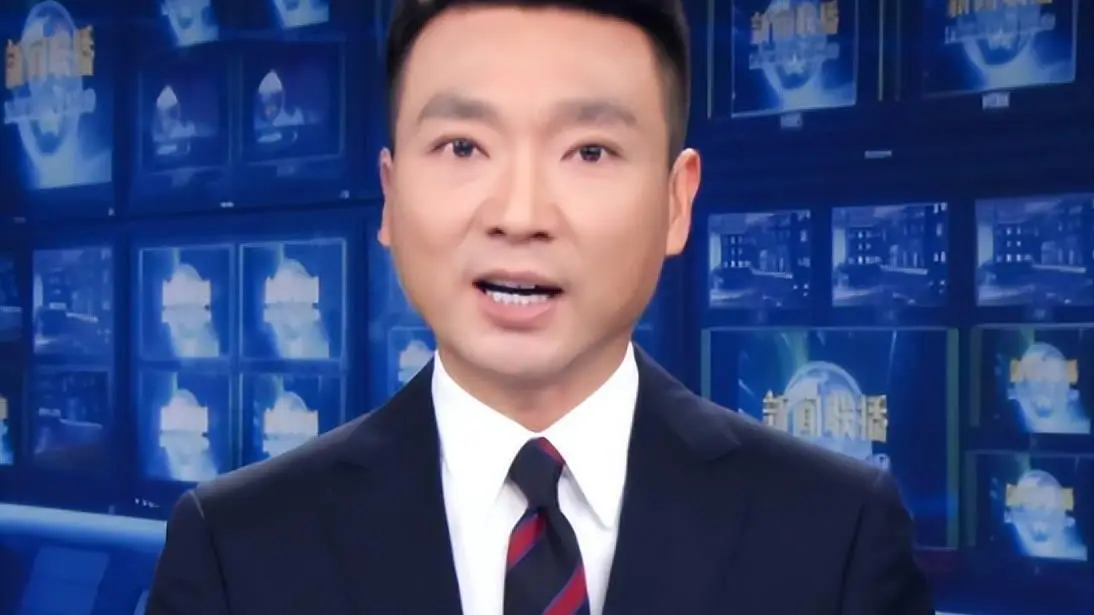
For decades, a handful of faces defined what television news looked like in China. Viewers tuned in nightly to the same calm, familiar anchors on China Central Television, the state broadcaster known to almost everyone simply as CCTV. Now, that era appears to be quietly ending.
Kang Hui, born in 1972 in Hebei province, spent more than thirty years in CCTV’s news division. He became a fixture on Xinwen Lianbo, the 7 p.m. national news program watched by hundreds of millions, and was often the steady presence during major live events. Lately, he has been appearing less frequently in the anchor chair, shifting toward production and behind-the-scenes roles.
Sa Beining, another household name, built a different kind of fame. Known for his quick wit and legal background, he became one of CCTV’s most versatile hosts, moving easily between serious programs and light entertainment variety shows. Audiences who once expected to see him everywhere now notice his schedule has thinned.
Dong Qing represents a third strand of that old guard. Elegant and widely admired for cultural programs that celebrated poetry and reading, she became one of the most recognizable women on Chinese television. Her appearances, too, have become rare, and each public sighting tends to spark discussion online.
What is happening is less a series of exits than a gradual handover. A group of younger presenters has moved steadily onto the main stages, anchoring news bulletins, hosting galas and filling the slots that the veterans once owned. To regular viewers, the change is visible in small ways: a new face reading the headlines, a different voice introducing a prime-time special.
Broadcasting handovers are rarely dramatic. Unlike a farewell concert or a final episode, an anchor’s retreat from the screen often happens without announcement. One season they are there every night; the next, they appear only occasionally, and then mostly in different roles. For audiences who grew up with these faces, the shift can feel sudden even when it has been underway for years.
The transition also reflects how Chinese television itself is changing. Younger viewers increasingly watch clips and highlights on phones rather than sitting through a full evening broadcast. Hosts are expected to be fluent across platforms, comfortable with shorter formats and quicker rhythms. The new generation on CCTV was trained for exactly that environment.
None of this means the veterans are gone. Kang Hui, Sa Beining and Dong Qing remain associated with the network and still surface for special occasions. But the center of gravity has moved. The nightly ritual of seeing the same trusted faces has given way to something more fluid, and a new group of anchors is now building the kind of familiarity that took their predecessors decades to earn.
For global observers, the change is a reminder that even in a vast, centralized media landscape, generational turnover happens the same way it does anywhere: gradually, then all at once. The names on the screen change, and with them, the texture of the evening news.