Wang Guan: The TV Host Who Let One Photo End 20 Years of Rumors
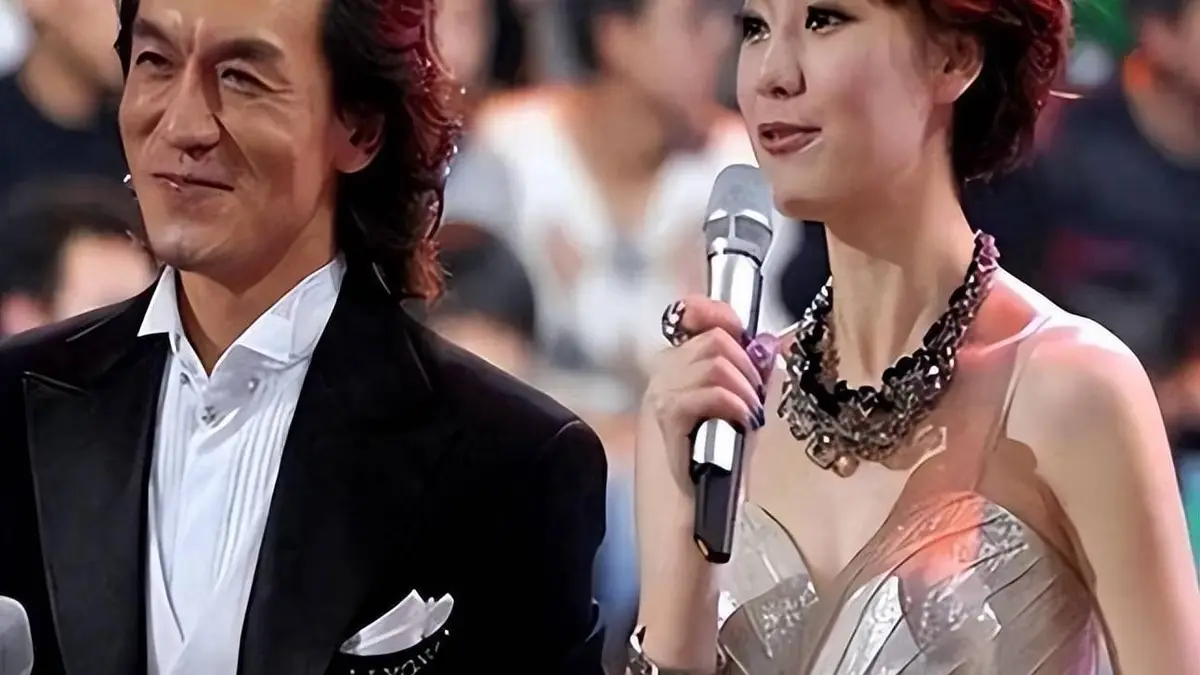
For almost twenty years, Chinese television host Wang Guan lived with a set of labels she never chose. Online gossip said she had slept her way to the top, that her private life was chaotic, that she had been fired by CCTV, China’s national broadcaster. She never sued, never posted a furious denial, never staged a tearful interview. Then, on the last day of October 2024, she posted a photo on WeChat Moments — two hands clasped together — with a single line: “One person is good. Two people, it seems, is even better.” The comments section erupted. Within hours, people were digging up old posts and old accusations, only to find they had nothing left to stand on.
Wang Guan was born in Shanghai’s Huangpu district in 1983. She broke into television the hard way, winning a spot in a competition that reportedly drew around 3,000 hopefuls. From there she built a career as a host, eventually appearing on programs associated with CCTV, the kind of résumé that in China invites both admiration and suspicion. The suspicion is the part outsiders rarely see. In Chinese entertainment media, a female presenter who rises quickly is often assumed to have traded something for it, and once that assumption takes hold online, it is almost impossible to shake.
The rumors about her were unusually persistent. They followed her through job changes, through long stretches when she simply stopped explaining herself. People who watched her on screen described a calm, polished professional. People who read about her online described someone else entirely. The gap between the two versions is a familiar feature of Chinese celebrity coverage, where aggregator accounts recycle old claims for clicks and the subject’s silence is read as confirmation.
Her response, when it finally came, was not a legal letter or a press conference. It was a wedding announcement so casual it barely qualified as news. The post did not name her husband, did not show faces, did not address a single accusation directly. That restraint turned out to be the point. By treating the rumors as too small to argue with, she made them look exactly that size. Chinese commenters noted the strategy approvingly: instead of fighting twenty years of noise, she simply changed the subject to her own life.
There is a broader pattern here worth understanding. In China, the private lives of television personalities are treated as public property in a way that would surprise audiences elsewhere. Fan accounts, gossip blogs and short-video channels mine old clips for fragments that can be reframed as scandal. Careers survive it, but rarely untouched. Wang Guan’s case stands out because she outlasted the cycle without ever playing its game.
She is now in her early forties and, by her own account, married. She has not turned the moment into a brand, has not launched a tell-all, has not monetized the sympathy. The old search results still exist, of course. Search her name today and the rumors sit alongside the wedding photo, which may be the most honest portrait of Chinese internet fame available: the accusations and the answer, permanently adjacent.
What lingers is the quiet of her post. Two hands, one sentence, no explanation owed. After twenty years of being written about, Wang Guan wrote one line of her own and let it stand.