Kissing Scenes Are Work: Zhao Liying and Yang Mi on On-Screen Romance
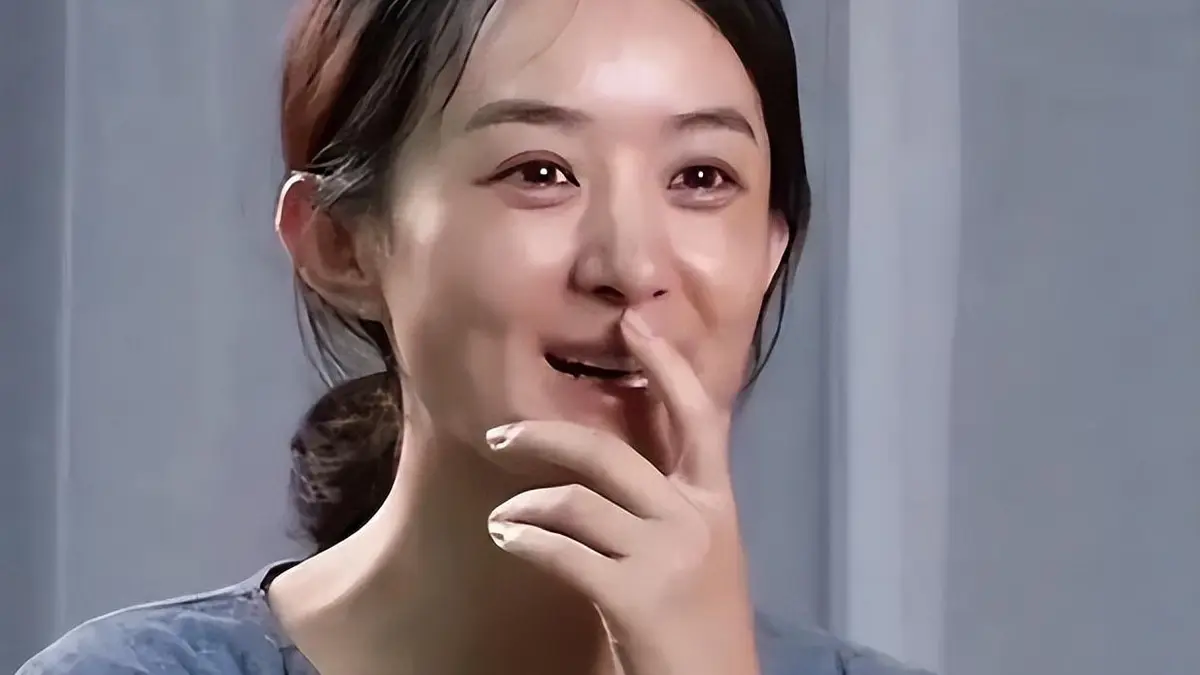
A resurfaced interview clip has Chinese social media talking about the least glamorous part of acting: kissing a colleague on camera while a crew of dozens watches. In the old footage, an interviewer asks actress Zhao Liying point-blank whether actors have a physical reaction during kissing scenes. Her answer, now circulating again, was blunt and professional: filming is work, not a private relationship, so that sort of thing is unlikely to happen. She added that men are probably the more likely ones to react.
Zhao, one of China’s most bankable screen stars, turned the question into a statement about boundaries. The clever part was not denial but reframing. By calling a kissing scene a job, she moved the question out of gossip and into the workplace. It is a line that plays well with audiences tired of actresses being asked to discuss their bodies instead of their craft.
Yang Mi, another top actress and a former co-star, once offered a more practical solution. In earlier interviews she said she would eat raw garlic before a kissing scene. The strong smell is a mood killer, which, she joked, makes it easier for everyone to stay professional. The trick has become a minor legend among fans, a mix of self-protection and humor.
The two answers, one firm, one funny, reflect the same reality. Romantic scenes are choreographed, lit, rehearsed and shot from multiple angles, often with a director calling out instructions. Actors describe them as technical and sometimes uncomfortable, especially when one party is married or the scene is with a stranger. Chinese dramas increasingly use camera angles, doubles and careful blocking to keep such scenes tame for broadcast standards.
Why is an old clip trending now? Zhao has been largely off screen since her last major drama, and any fragment of her past interviews feeds demand from fans. Yang Mi, meanwhile, remains a constant tabloid presence. Their shared history, both as former co-stars and as two of the industry’s biggest names, makes comparisons irresistible. The recycled clip also fits a wider appetite for celebrities talking honestly about the oddities of their jobs.
On Chinese social media, commenters praised Zhao for refusing to play along with an intrusive question. Others shared Yang’s garlic story as proof that actresses have long had to improvise ways to protect themselves on set. The discussion is less about romance than about professionalism, and about how rarely the two are allowed to coexist in celebrity coverage.
For global readers, the exchange is a window into how China’s star system handles intimacy on screen. There is no #MeToo-style intimacy coordinator culture widely established in Chinese television, and actors often negotiate such scenes informally. Some production teams now write clearer contracts and use closed sets, but the burden still falls largely on performers.
Zhao’s line, that filming is work, may be the most useful thing anyone has said about the subject. It treats actors as employees with boundaries, not as characters in a romance for the audience to consume. Yang’s garlic adds the other half: a sense of humor about an inherently awkward job. Together, they make an old interview feel surprisingly current.