Shanghai's New Grand Opera House Opens as the City Aims to Make, Not Just Take, Opera
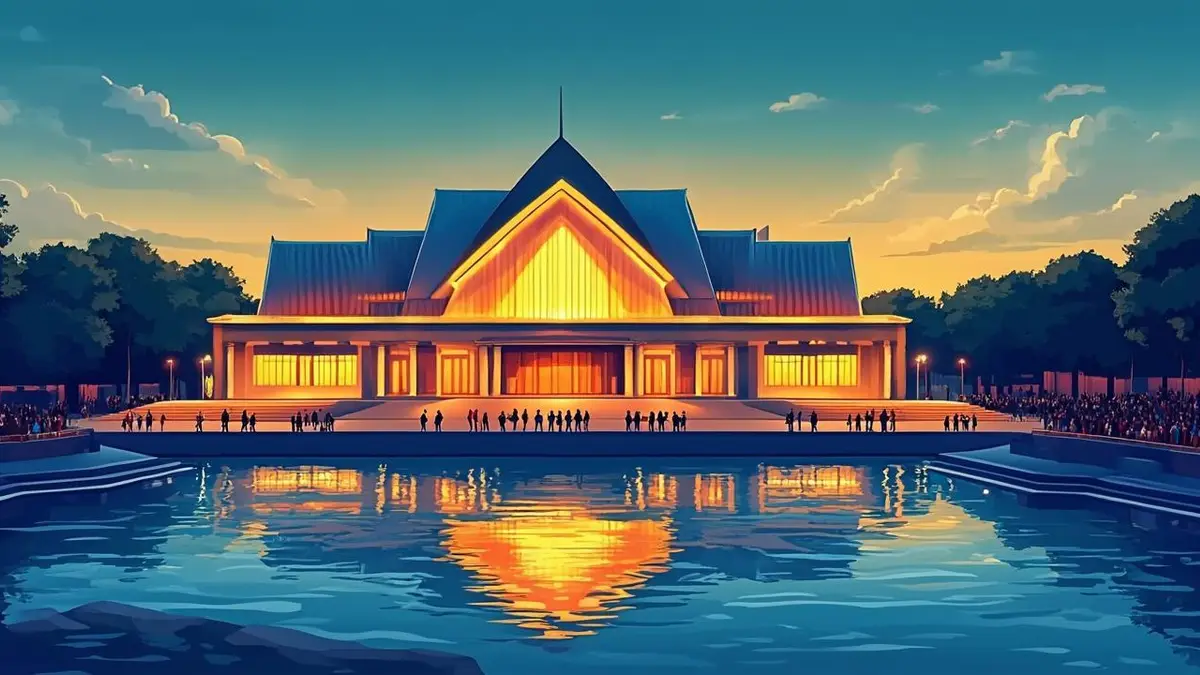
Shanghai’s newest landmark opened its doors on the evening of October 17 with a concert titled “The Shanghai Grand Opera House and Her Friends,” the same night the 25th China Shanghai International Arts Festival raised its curtain. The building, six years in the making, sits on the banks of the Huangpu River and holds 4,200 seats across three separate performance spaces, enough to stage everything from chamber music and immersive theatre to musicals and dance.
The word “opera” in the name is the point. For more than two decades, Shanghai built its reputation as a port for culture: it imported acclaimed foreign productions, brokered international collaborations and, in the process, cultivated a local audience willing to buy tickets. Festival organisers now describe a shift from being a “dock” where shows arrive to being a “source” where they are made. The new house is meant to be the physical anchor of that ambition, giving Chinese directors, conductors and designers a stage built to operatic scale.
Opera is a demanding habit to grow. A single production can require an orchestra, a chorus, soloists, stagehands and months of rehearsal, and tickets are rarely cheap. The festival’s programming reflects an awareness that a building alone does not make an audience. Alongside headline performances, the season includes lectures, open rehearsals and lower-priced entry points, and programmers speak of each show as a chance at arts education, an idea repeated in Chinese coverage of the opening: a single performance is also a lesson.
The timing is deliberate. This year’s festival leans heavily on Asian premieres, with several operas receiving their first Asian staging and two separate productions of Hamlet on the bill, a sign that the programme is courting international prestige while insisting on local relevance. Bringing foreign work in remains part of the plan; the difference is that Shanghai now wants a hand in shaping what gets made, not merely in choosing what gets shown.
The building itself is designed to be porous. Three venues of different sizes let the house host a stadium-scale musical one night and an intimate recital the next, and the riverside setting places it within a stretch of the city already dense with museums and concert halls. City officials have long treated culture as infrastructure, and the opera house joins a skyline of recent investments in venues rather than merely in events.
For visitors, the practical effect is a fuller calendar. Autumn is already a busy season for arts in Shanghai, and the festival’s run gives travellers a reason to plan around performances rather than sights. For the industry, the test will be quieter: whether the house can nurture singers, conductors and backstage craftspeople who can fill a 4,200-seat complex year after year, and whether audiences will keep coming once the novelty of opening night fades.
That question hangs over every new opera house in the world, and Shanghai’s answer will take seasons, not weeks, to read. What is clear after this week is the direction of travel: a city that spent twenty years learning to host is now trying to learn to originate. The curtain has gone up; the harder work starts in the rehearsal rooms behind it.