Why Chinese Diners Reinvented Western Food on Their Own Terms
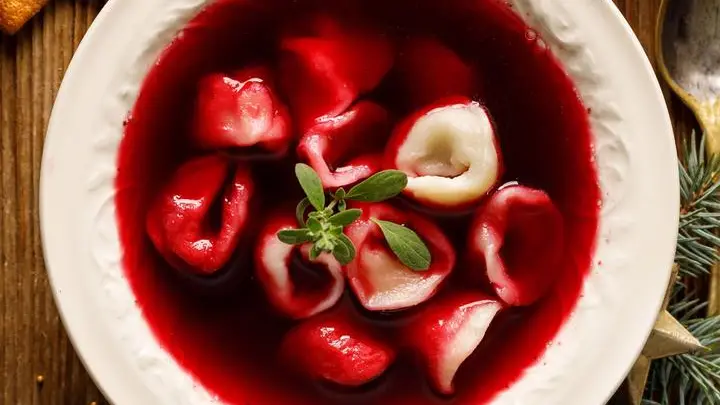
Ask a visitor in Shanghai what they ate last night and the answer might be a pork chop under a glossy tomato sauce, served not with bread but with rice, or a bowl of borscht sweetened with local beets and drunk like soup. This is Chinese Western food, a homegrown branch of cooking that grew up in treaty ports and hotel kitchens in the early twentieth century and never stopped evolving. On a popular question-and-answer platform, one food writer argued it may be the most underrated Western cuisine anywhere, because it was never trying to be authentically European in the first place.
The story begins with ports such as Shanghai, Tianjin and Guangzhou, where foreign merchants, cooks and missionaries arrived from the 1840s onward. Chinese kitchen staff learned sauces, roasts and pastries from them, then adapted everything to local ingredients and local palates. Beef was scarce and expensive, so pork took its place. Butter gave way to lard. Diners wanted rice, not bread, and soup that tasted like soup rather than cream. What emerged was neither imitation nor fusion for its own sake, but a working cuisine built by cooks solving everyday problems.
The most famous dish is probably the Shanghai pork chop, a thin cut of pork, tenderized, breaded and fried, then finished with a sweet-savory sauce that has more in common with a Chinese braise than with a French demi-glace. Alongside it sits borscht, brought by Russian communities in Harbin and Shanghai and turned into something closer to a tomato and cabbage stew. There is also baked pork chop rice, a Hong Kong institution that layers a fried chop, rice and a cheese-topped tomato sauce under a hot grill, and the many versions of chicken a la king that appear in old state-run restaurants.
In Hong Kong, this tradition matured into what locals call soy sauce Western food, or Western food with a Chinese accent. Diners in old cafes order steak with black pepper sauce, baked spaghetti under a blanket of cheese, and sweet milk tea. The cooking uses woks, soy sauce, oyster sauce and high heat, yet keeps the plating and the menu names of a European restaurant. It is a hybrid that knows exactly what it is, and generations of families have eaten it on birthdays, first dates and after-school afternoons.
Why does it get so little respect abroad? One reason is that global food culture tends to reward purity. Restaurants are praised for following a regional tradition faithfully, and hybrids are often treated as mistakes. Another reason is that Chinese Western food is cheap, unfussy and served in cafes rather than fine dining rooms, so it rarely gets the critical attention that tasting menus receive. Yet the same logic that once dismissed it is now driving some of the most interesting cooking in cities like London and New York.
For travelers, the cuisine is also a practical entry point. It offers familiar shapes, chops, cutlets, soups and pastas, with flavors that lean savory and slightly sweet, which makes it easy for visitors who want a break from chili and Sichuan pepper. Ordering it well means going to old neighborhoods rather than hotel dining rooms, and looking for menus that mix Chinese and Western dish names on the same page. The best versions are not trying to impress anyone; they are simply feeding people.
That is the quiet argument behind the essay. Chinese Western food is not a failed copy of something else. It is a record of how ordinary cooks negotiated between two worlds, one pan at a time, and made something that belongs to neither but tastes like home to millions. Judged on its own terms, it deserves a place at the table.