Why 'Tang People Street' Is China's Word for Chinatown
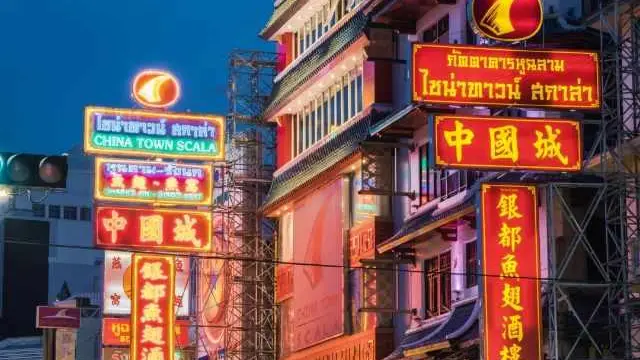
Walk past the dragon gate in San Francisco, Bangkok or London’s Soho and you will see the same three characters on the arch: 唐人街, read in Mandarin as Tangren Jie. English signs say Chinatown. The Chinese ones say something subtly different — Tang People Street. For a community that has lived abroad for generations, that choice of word carries a whole history of who gets to name whom.
A widely shared answer on the Chinese question-and-answer site Zhihu recently dug into where the term comes from. The short version: it is not a phonetic borrowing of “Chinatown.” The Tang of Tangren Jie is the Tang dynasty, the 7th-to-10th-century empire that Chinese speakers still treat as a golden age of poetry, trade and cosmopolitan cities. When Chinese migrants settled overseas in later centuries, they called themselves Tang people — people of that civilization — rather than subjects of whichever emperor happened to be on the throne.
The phrase shows up in Chinese writing about the United States as early as the Tongzhi era, in the 1860s and 1870s. Diaries kept by members of China’s first official missions to the West, including one by the envoy known as Zhigang, describe Chinese communities on America’s West Coast and note that residents there already used the term themselves. That detail matters: the label was not invented by outside observers. It was what the community called its own streets.
The naming is also a neat piece of translation luck. Chinese has borrowed plenty of foreign words by sound, but Tangren Jie is not one of them — it is a native phrase that happened to map neatly onto an English one. Similar old names survive across Southeast Asia, where Chinese communities have used Tangren Jie and related terms for centuries, long before the word Chinatown entered English usage in the 19th century.
There is a second layer to the puzzle. Chinese cities have their own streets named Tangren Jie, and they are not the same thing. In the southern city of Xi’an, a Tang-themed pedestrian district uses the name for a commercial avenue lined with replica architecture, souvenir stalls and street food. In the Chinese context it means a place styled after the Tang, not a migrant quarter.
So the same three characters do two jobs depending on where you are standing. Abroad, they mark a neighborhood built by migrants who kept the older name alive. At home, they market a nostalgic version of the same golden age to tourists. Either way, the word is doing what language usually does: sorting people into insiders and outsiders, and quietly recording who moved where, and when.
For readers who know Chinatown only as a sign on a gate, the Chinese name is a reminder that the people inside rarely describe themselves with the labels outsiders choose. They picked a dynasty instead — a claim about origins, not about the country they left.