TSMC and Musk's Terafab: A Texas Chip Deal Takes Shape
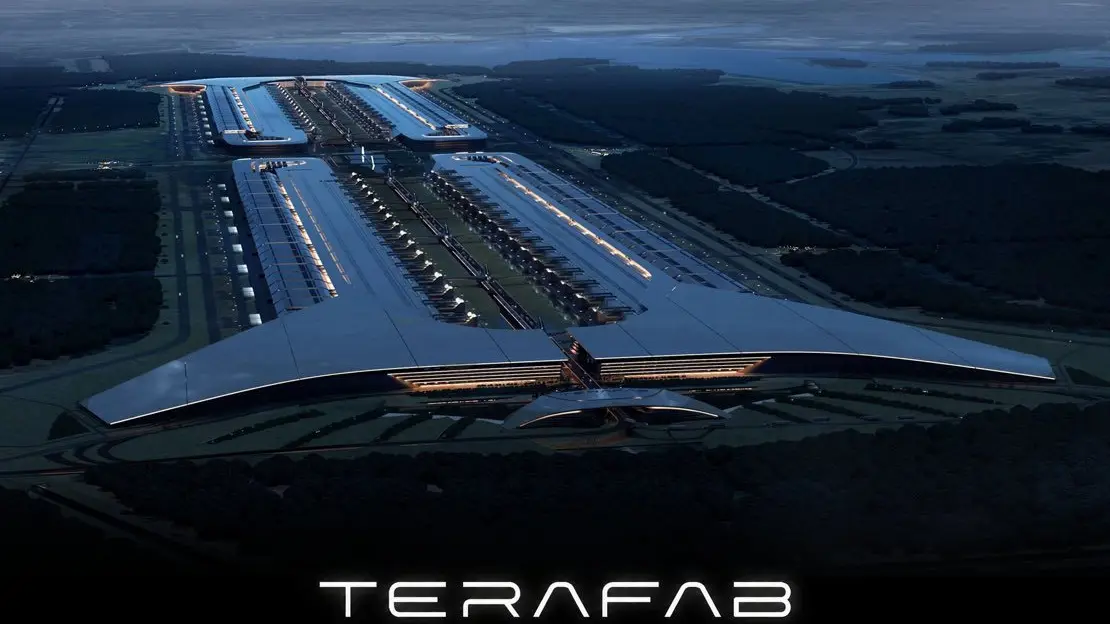
A quiet rumor about chips became one of the week’s most-watched technology stories when Elon Musk confirmed he has been talking with Taiwan Semiconductor Manufacturing Company about its involvement in Terafab, the wafer fabrication project he has been building alongside Tesla and SpaceX. The original report came from technology journalist Tim Culpan, who said TSMC was exploring a partnership and weighing whether Terafab could become a major customer for a future TSMC plant in Texas.
The idea is unusual in an industry where foundries and their customers usually keep a careful distance. TSMC, based in Hsinchu, Taiwan, is the world’s largest contract chipmaker, building processors for Apple, Nvidia and many others. Terafab, by contrast, is a Musk-led effort to secure manufacturing capacity for the chips his companies need — from the silicon that runs Tesla vehicles to the hardware behind SpaceX’s satellites and Starlink terminals.
Culpan’s report noted that Terafab had already reached an agreement with Intel, and that talk of a second TSMC campus in the United States had been circulating. Musk’s public response was measured: he said the discussions were only at an early stage, but the confirmation itself was enough to move the story from speculation into something concrete.
For global readers, the significance lies in what it says about the geography of chipmaking. For decades, the most advanced semiconductors have been made overwhelmingly in East Asia, with TSMC at the center. Pressure from governments and the rising cost of shipping fragile wafers across oceans have pushed companies to build more capacity in the United States and Europe. A customer like Terafab, with Tesla and SpaceX behind it, would give a new American fab a large, captive buyer from day one.
TSMC has been expanding in Arizona, where its first US plants are already producing chips. Adding a Texas site tied to Musk’s empire would be a different kind of bet — closer to the automotive and aerospace demand that Musk controls directly, and less dependent on the consumer electronics cycle that drives most of TSMC’s revenue.
There are reasons for caution. Wafer fabrication is extraordinarily capital-intensive, and a single advanced plant can cost tens of billions of dollars and take years to reach volume production. Musk has a long record of announcing ambitious manufacturing plans, some of which have slipped badly. TSMC, meanwhile, is famously conservative about committing capacity to customers whose volumes are not yet proven.
Still, the talks point to a broader trend: the companies that design chips increasingly want a say in how and where they are made. Tesla has already designed its own silicon for its vehicles, and SpaceX builds custom hardware for its satellites. Bringing manufacturing closer — or at least securing a dedicated partner — would reduce the risk of supply shocks that have disrupted the auto industry in recent years.
Nothing is signed, and both sides have reason to keep expectations low. But the fact that Musk acknowledged the discussions at all suggests the idea is more than a passing thought. If it advances, it would be one of the clearest examples yet of a new American chip manufacturing map being drawn by the companies that consume the chips, not just the ones that make them.