NIO and Geely Swap Charging Assets in $220 Million EV Deal
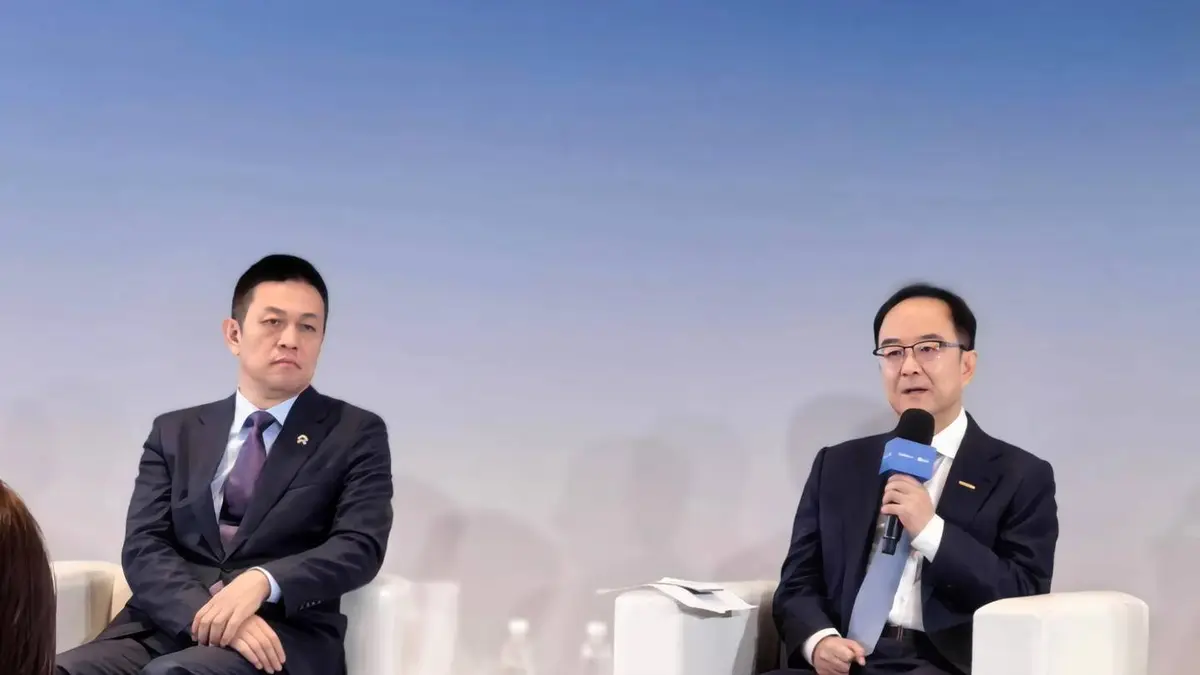
Two of China’s biggest electric-vehicle makers are becoming partners in the unglamorous business of keeping cars plugged in. On September 28, NIO and Geely Holding Group signed an agreement under which Geely will take a 30 percent stake in NIO Power, the charging and battery-swap subsidiary that NIO has spent years and billions of yuan building.
Geely is paying with a mix of cash and assets rather than a simple cheque. It hands over 100 percent of Yiyi Hulian Technology, its own charging-network company, plus 640 million yuan (roughly 90 million US dollars) in cash. After the deal, NIO’s stake in NIO Power falls to 63.6 percent, and the unit is valued at about 16 billion yuan, or some 2.2 billion US dollars. NIO keeps control, but Geely gains a meaningful seat in one of the country’s largest charging networks.
The deal runs both ways. NIO will also buy a 10 percent stake in Geely’s Haohan Energy with cash, and the two companies will fully interconnect their charging networks. In practice, that means a NIO driver and a Geely driver should eventually be able to use the same plugs, apps and payment systems without thinking about whose logo is on the station.
For NIO, the logic is financial as much as strategic. The company has built more than 3,000 battery-swap stations across China, a capital-hungry network that is expensive to run and expand. By bringing in a partner and folding in another operator’s assets, NIO Power gets a bigger footprint and a stronger balance sheet without NIO itself carrying the whole cost. Founder William Li has long argued that swapping a depleted battery for a full one in minutes is a better answer to charging anxiety than fast cables alone, and this deal gives that bet more scale.
For Geely, the appeal is speed. The conglomerate owns dozens of brands, from Volvo and Polestar to Zeekr and its own mass-market electric lines, and it needs charging infrastructure that feels seamless to customers across all of them. Rather than build everything itself, it is buying into an established network and merging its own operator into it.
The partnership also reflects a broader shift in China’s EV market. After years of breakneck growth, price wars have squeezed margins, and carmakers are looking for ways to share the heavy costs of infrastructure that no single company can own outright. Charging and battery swapping are increasingly treated as shared utilities rather than brand-defining luxuries.
Regulators will still need to review the transaction, and the two sides did not disclose a detailed timetable for linking their networks. But the direction is clear. In a market where drivers increasingly choose cars partly on how easy they are to charge, two rivals have decided that cooperating on plugs is smarter than competing over them.