China's AI-Made Short Dramas Are Winning Abroad — and Echoing K-Webtoons
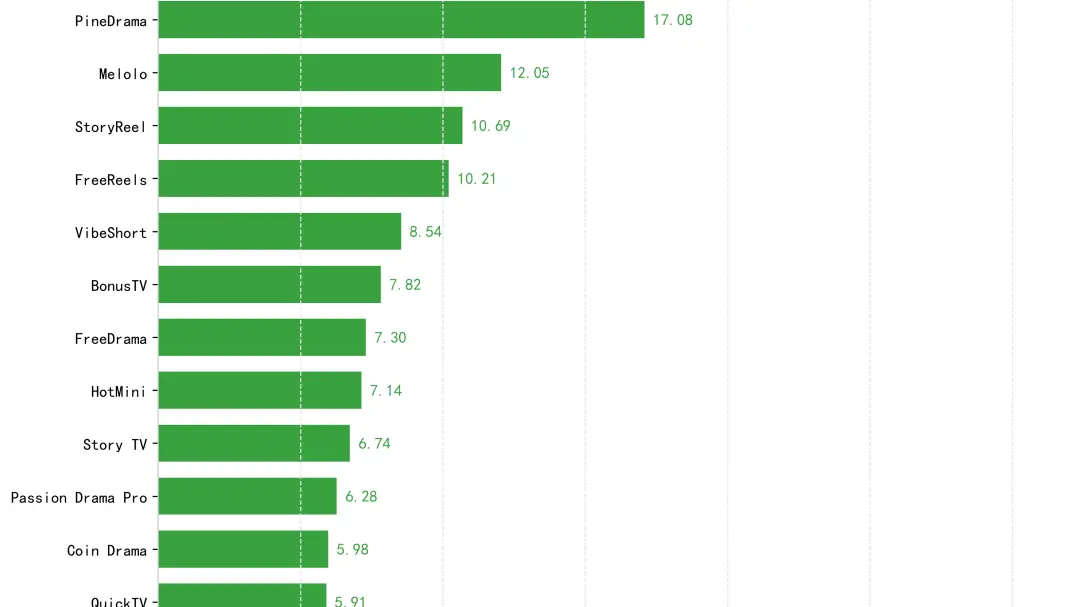
A quiet export boom is reshaping global mobile entertainment, and most of it is being made by machines. According to industry analysis published this week, Chinese companies now operate nine of the ten most-downloaded overseas short-drama apps worldwide, and more than 90 percent of the AI-animated series playing on those platforms are produced in China. Short dramas are the vertically shot, minute-long episodic shows designed for phone screens — a format that exploded in China and is now being pushed into Southeast Asia, North America and Europe.
The model is straightforward. Chinese studios generate scripts, storyboards and finished animation largely with AI tools, dub them into local languages, and pipe them straight into apps their own parent companies control. That combination — a global distribution network plus content produced at home rather than commissioned locally — has allowed a handful of firms to scale faster than traditional streaming services ever could.
The speed is the point. Conventional animation takes months and a large crew; AI-assisted pipelines compress that into days and a fraction of the cost. It also lets producers test dozens of story hooks cheaply, then pour resources into whichever one keeps viewers watching past episode three. For a format built on cliffhangers and impulse spending, that feedback loop matters more than polish.
The cautionary comparison comes from South Korea. A decade ago, Korean webtoon companies built a similar position: a dominant digital comics supply chain feeding overseas reading apps, with a strong cultural tailwind behind it. That early lead proved real, but it also attracted platform gatekeepers, rising production costs, disputes over creator pay and tougher local competition. Analysts quoted in the Chinese report argue the current AI short-drama wave is repeating that opening act almost beat for beat — and that the risks are arriving faster this time.
Several pressures stand out. AI-generated content faces tightening rules in some overseas markets, particularly around disclosure and copyright. Platforms that once welcomed cheap volume now compete with their own suppliers, and local creators in target markets increasingly object to being shut out of their own screens. Meanwhile, the same tools that let a small studio produce a hit also let everyone else do it, which tends to erode margins quickly.
There is also a creative question. Short dramas live on intense, fast-turnaround storytelling, and AI can imitate the rhythms of the genre convincingly. What is less clear is whether it can sustain the novelty that keeps audiences returning once the first wave of novelty fades. The Korean webtoon industry eventually answered that by investing in original creators and premium titles — a slower, more expensive path that Chinese short-drama exporters have so far avoided.
For now, the numbers favor the Chinese model. The overseas short-drama market is growing, the apps are cheap to run, and the pipeline is fast. But the report’s central warning is that a dream start is not the same as a durable business. The companies that survive the next phase will likely be the ones that start paying for original voices, not just faster generation.