Tesla's Robotaxi Gamble Meets America's Growing Robotaxi Skeptics
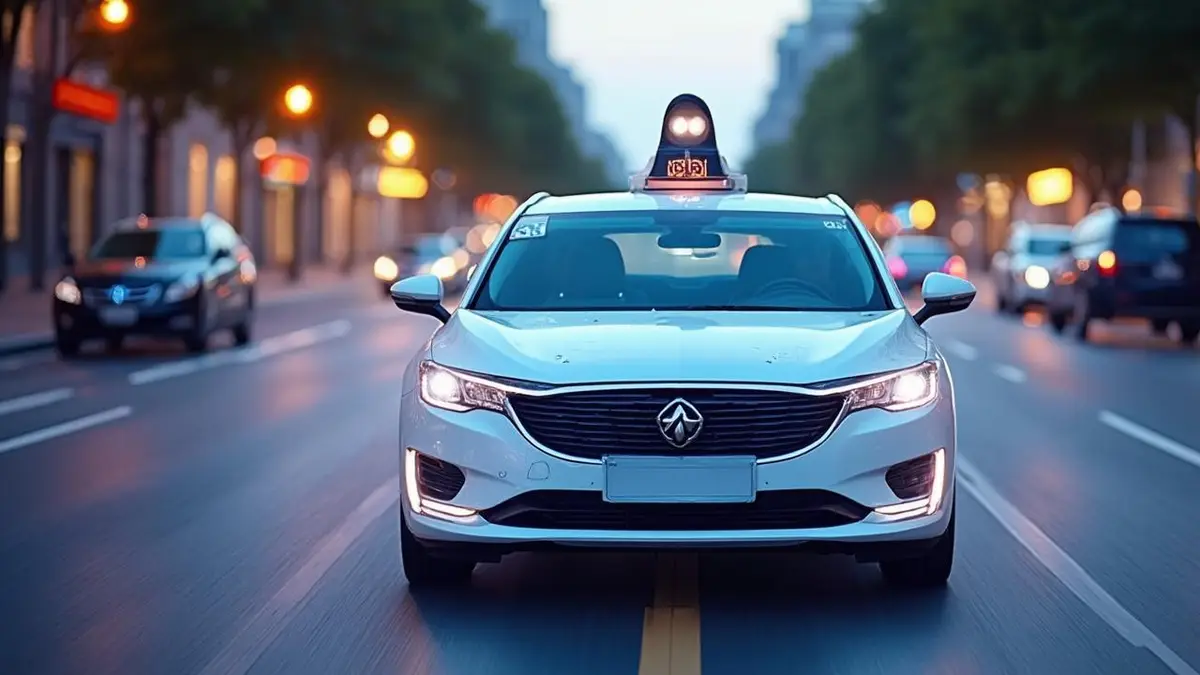
Tesla’s Cybercab has started charging passengers in Austin, Texas, marking a significant milestone in the company’s long-promised robotaxi vision. According to registration data from early September, Tesla has registered 420 autonomous vehicles in Texas, of which 45 are Cybercabs, with the remainder being Model Ys. The service currently operates only in select areas of Austin, a modest start for a company that has staked its future on autonomy.
The Cybercab, a two-door vehicle with no steering wheel or pedals, represents Tesla’s most radical bet yet. But the road to commercial viability is steep. The company must navigate a patchwork of state and federal regulations, prove the safety of its Full Self-Driving software, and convince a public that has grown wary of automation after high-profile accidents involving other autonomous vehicles. Low cost is only the first hurdle; trust is the second.
While Tesla grabs headlines in the United States, China’s autonomous driving sector is advancing on a different track. Companies like Baidu’s Apollo Go and Pony.ai have been operating robotaxi services in Chinese cities such as Wuhan, Beijing, and Guangzhou for several years, accumulating millions of kilometers of real-world data. The Chinese approach has been more gradual, often partnering with local governments and existing taxi fleets rather than deploying a fully driverless fleet overnight.
The contrast reflects deeper differences in strategy. Tesla relies on a camera-only system and a massive fleet of consumer vehicles to train its neural networks, betting that scale will solve autonomy. Chinese firms often combine cameras, lidar, and high-definition maps, and they operate in geofenced areas with extensive government support. Both approaches have merit, but neither has yet delivered a profitable robotaxi business at scale.
Regulatory approval remains a critical factor. In the U.S., the National Highway Traffic Safety Administration has opened investigations into Tesla’s Autopilot and FSD systems following fatal crashes. In China, regulators have been cautious but supportive, issuing permits for pilot programs while tightening rules on data security and mapping. The result is a fragmented global landscape where no single player can claim dominance.
For global readers, the robotaxi race is more than a technology story. It touches on urban planning, labor markets, and the future of public transit. If robotaxis succeed, they could reduce the number of privately owned cars, lower emissions, and make mobility more accessible for the elderly and disabled. If they fail, they could become a cautionary tale about overpromising and underdelivering.
What is clear is that the next 12 to 18 months will be decisive. Tesla’s Cybercab rollout in Austin will be watched closely, not just by investors but by regulators and rival automakers worldwide. Chinese firms will continue to expand their pilot zones, testing the limits of public acceptance and technical reliability. The winner, if there is one, will likely be the company that best balances innovation with safety and public trust.
For now, the robotaxi remains a work in progress—a promise of a driverless future that is inching closer, one city block at a time.