Remembering Liu Huan: The Voice That Defined a Generation
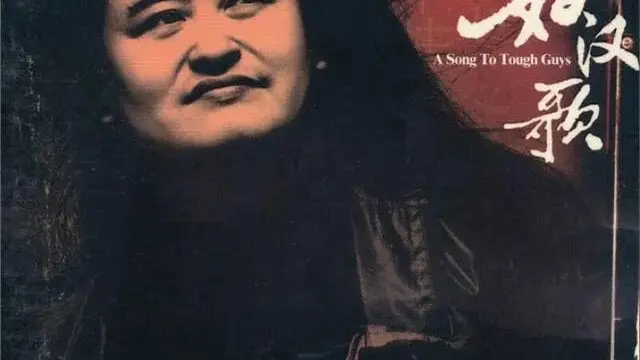
On September 25, 2026, China’s music world lost one of its most distinctive voices. Liu Huan, a singer whose career spanned more than three decades, passed away in Shanghai at the age of 63. The news was confirmed by the University of International Business and Economics in Beijing, where he had been a professor of Western music history. His death prompted an outpouring of tributes from fans, fellow musicians, and students who remembered him not just as a performer but as a dedicated educator.
Liu Huan first rose to national fame in the late 1980s and 1990s, a time when China’s pop music scene was rapidly expanding. He became known for his commanding stage presence and a voice that could fill a stadium without losing its warmth. His songs often carried a sense of grandeur and sincerity, and he was frequently chosen to perform at major public events, including the opening ceremony of the 2008 Beijing Olympics, where he sang alongside Sarah Brightman. That performance introduced him to a global audience and cemented his status as a cultural ambassador.
Yet Liu Huan was never a typical celebrity. He avoided commercial endorsements and rarely appeared in gossip columns. Instead, he chose to spend much of his time in the classroom, teaching Western music history to university students. He believed that understanding music’s roots was essential for any young artist, and he was known for his rigorous but encouraging teaching style. His lectures were often packed, with students from other departments sneaking in to listen.
In 2014, Liu Huan took on a new role as a mentor on the television show “Song of China,” a competition for original songwriters. The program gave unknown musicians a rare platform to perform their own material, and Liu Huan’s involvement lent it immediate credibility. He was not there to chase ratings but to champion creativity, often offering gentle but incisive feedback. Many contestants credit him with giving them the confidence to pursue music seriously.
News of his death was followed by an unusual wave of online articles that mixed genuine mourning with sensationalized old rumors and intrusive speculation about his family. This tabloid-style coverage drew criticism from fans who felt it detracted from his legacy. The university’s obituary noted that per his wishes, funeral arrangements would be kept simple, with no public memorial service.
Liu Huan’s influence extended beyond his own recordings. He was part of a generation that helped professionalize China’s music industry, bridging the gap between state-supported arts and the emerging commercial market. His students now work as composers, performers, and teachers across the country, carrying forward his belief that music should be both technically excellent and emotionally honest.
For international listeners, Liu Huan may be best remembered for his Olympic performance, but his true legacy lies in the quiet, consistent work he did behind the scenes. He showed that a superstar could also be a scholar, and that fame could be used to open doors for others rather than to build a personal brand. In an era of rapid cultural change, he stood for craftsmanship and integrity.
As China’s entertainment landscape continues to evolve, Liu Huan’s career serves as a reminder that lasting impact often comes from a commitment to one’s craft and to the next generation. His voice may have fallen silent, but the music he championed will continue to resonate.