Nobel Literature Odds: Can Xue Leads Again Before Thursday's Announcement
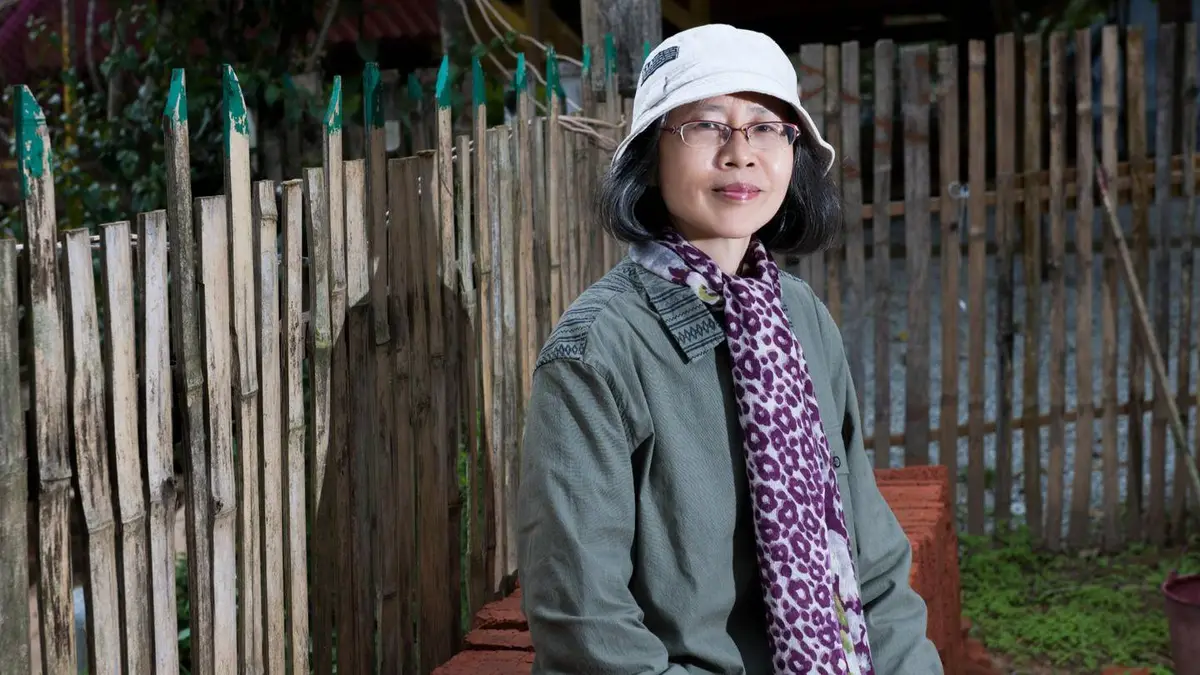
The 2026 Nobel Prize in Literature will be announced on Thursday evening Beijing time, and once again the name at the top of the betting boards is a Chinese writer most readers outside China have never opened: Can Xue.
Odds aggregator Nicer Odds, which tracks bookmaker prices in the days before the Swedish Academy’s decision, currently lists Can Xue as the favorite, with Japanese novelist Haruki Murakami close behind. For observers who follow the prize closely, the pattern is familiar. Can Xue has sat near the top of these lists for several years running, and the gap between bookmaker enthusiasm and the Academy’s actual vote has become its own small annual drama.
Can Xue, born in 1953 in Changsha, is the pen name of Deng Xiaohua. She never attended university in the conventional sense; she taught herself English and studied tailoring before turning to fiction in the 1980s. Her work belongs to the experimental, dreamlike strand of Chinese writing sometimes called the avant-garde, and she has long resisted being filed under social realism. Novels such as Five Spice Street and Frontier, and story collections including Vertical Motion, move through unstable landscapes where characters shift shape and causality loosens. Critics abroad have compared her to Franz Kafka and Jorge Luis Borges, comparisons she has acknowledged while insisting that her real sources are Chinese.
That difficulty is exactly what makes her a perennial favorite among readers who like the prize to reward formal ambition. Her champions argue that the Nobel committee has recently favored writers who stretch both style and subject, and that Can Xue fits that description better than almost anyone on the list. Her detractors say the same thing from the other direction: her books are hard, and prize juries have historically mixed bold choices with more accessible ones.
Murakami’s presence near the top of the list is a reminder of how unpredictable the process remains. He has been a fixture in these odds for more than fifteen years without winning, a fact his readers discuss every October with a mixture of hope and resignation. Other names circulate as well, including writers from Africa, Europe and Latin America, but the Academy keeps its shortlist secret, and its members have publicly criticized the betting market as a distortion of a deliberative process.
For Chinese readers, the annual attention is less about the result than about the conversation. Can Xue’s odds have become a way to discuss experimental writing in a market where commercial fiction dominates. Bookstores in major cities typically report a bump in interest in her work each autumn, even in years when the prize goes elsewhere. Translations of her novels have found a steady readership in Europe and North America, and her champions abroad include prominent novelists and critics who treat her as one of the most original living writers in any language.
The announcement will come from Stockholm on Thursday evening, Beijing time. Whether or not Can Xue’s name is read aloud, the run-up has already done what these weeks usually do: pulled a difficult, stubbornly independent writer back into the center of the literary conversation, at least for a few days.