Liu Yifei's Shanghai Appearance Sparks a Familiar Debate About Fame
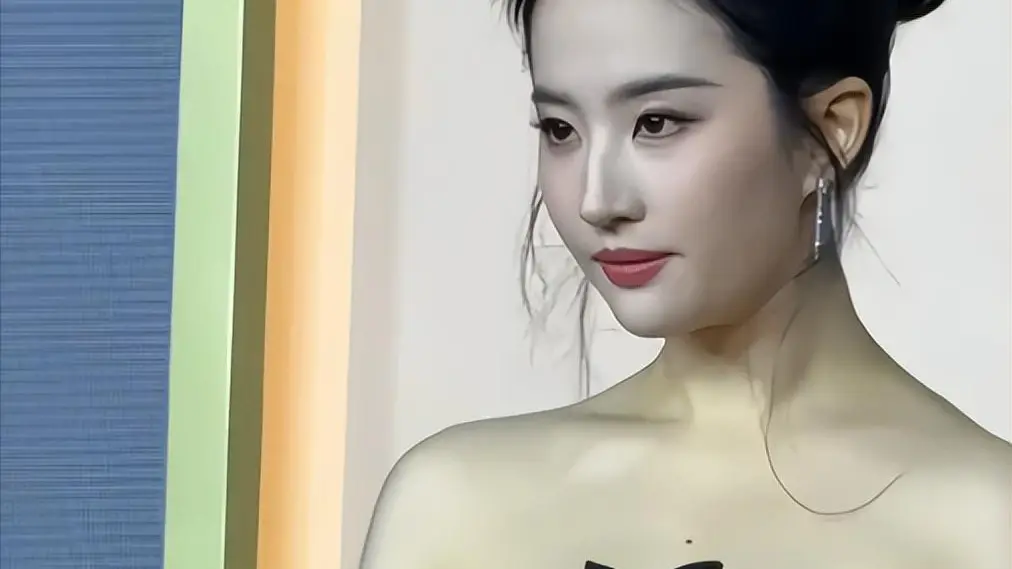
Liu Yifei, one of the most recognizable faces in Chinese entertainment, traveled by high-speed rail from Beijing to Shanghai on October 9 for a线下 brand event held by Bobbi Brown, the American cosmetics label for which she serves as a global ambassador. Fan-recorded clips and unedited photos from the scene spread quickly across short-video platforms, and by the next morning the topic dominated entertainment discussion online.
The reaction was the kind that greets almost every public appearance by a major Chinese celebrity. Some viewers praised her presence and styling; others zoomed in on details, comparing the tone of her face and body under the event lighting and commenting on how she looked. The images were not official press photos but phone snapshots taken by attendees, the raw material that now drives much of China’s celebrity conversation.
What makes Liu an unusually reliable subject for this kind of attention is her long career. She first became a household name in the mid-2000s through television costume dramas and later moved into film, including English-language roles. For many viewers she remains associated with a特定 image of classical Chinese beauty, which raises the stakes of every appearance and guarantees that any perceived gap between that image and an ordinary photograph becomes news.
Her role as a global ambassador for Bobbi Brown also reflects a broader pattern in the Chinese market. International beauty and fashion brands increasingly sign Chinese actors and singers to represent them, not only in China but across Asia, betting that these faces carry more weight with consumers than traditional advertising. Those contracts come with obligations: attendance at线下 events, product seeding on social platforms, and the expectation that every outing will generate reachable content.
The economics behind such appearances are considerable. A single well-covered event can produce days of organic discussion, effectively free advertising for the brand. That is why companies accept the risk that fan commentary will focus on the ambassador’s body and face rather than the products. In this case, the conversation stayed firmly on the actress, with relatively little discussion of the cosmetics themselves.
For Liu, the episode is unlikely to alter her trajectory. She has weathered two decades of similar commentary, and her commercial value rests on a fan base that has stayed loyal through changes in the industry’s tastes. Chinese audiences have grown used to seeing their favorite stars judged in real time, through lenses that rarely flatter and platforms that reward strong reactions.
It is worth noting how routine this cycle has become. A celebrity travels to a city, attends a brand function, and within hours the internet is debating the results. The same pattern plays out for singers, athletes and internet personalities, all subject to the same mix of affection and nitpicking. The attention is intense, but it is also the currency of the industry.
Liu’s Shanghai trip will likely be remembered, if at all, as one more data point in an ongoing public conversation about how famous women are looked at in China. She continues to work, the brand continues to sell, and the cameras keep rolling.