China's EV Battery Recycling Boom Is Coming, but Carmakers Won't Bite
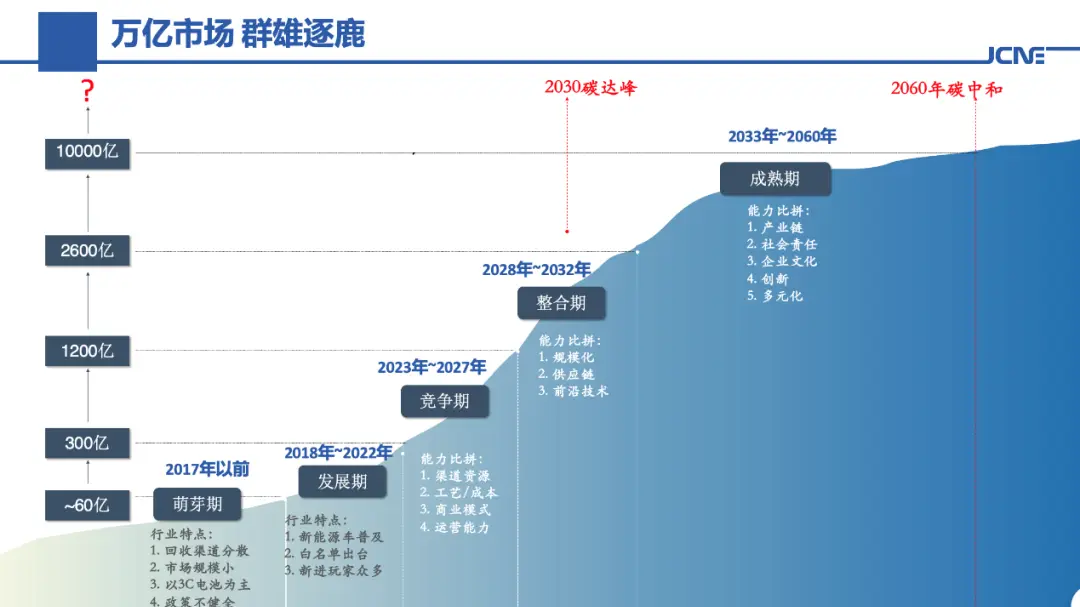
China’s electric vehicle boom has a clock attached to it. The first big wave of battery-powered cars sold in the 2010s is now reaching the end of its useful life, and industry analysts expect a surge of retired packs through the 2030s. With more than 40 million new-energy vehicles already on Chinese roads, the country sits at the entrance to what analysts describe as a trillion-yuan recycling market.
The strange part is who is not rushing in. Under Chinese regulations, automakers carry the primary responsibility for taking back and disposing of the batteries from the cars they sell. That rule should have turned every major car company into a recycling investor. Instead, most are watching from the sidelines, unwilling to commit the heavy capital that battery dismantling and material recovery require.
The hesitation is not hard to explain. Battery recycling is a manufacturing business with thin margins, volatile input prices and complicated logistics. Old packs are heavy, potentially hazardous and expensive to transport. The chemistry of what comes back varies widely by model and age, which makes automated disassembly difficult. And the value of the recovered materials, mainly lithium, nickel and cobalt, swings with global commodity markets. When metal prices fall, recycling economics can turn negative overnight.
There is also a structural mismatch. Most automakers are assemblers: they buy cells from battery giants and slot them into vehicles. Building a recycling arm means acquiring chemical processing know-how that sits far from their core competence. For many, it is cheaper to pay a compliance fee or contract the work out than to own the assets.
That gap has been filled by a crowded field of specialist recyclers, many of them small and undercapitalized. Industry observers have warned for years about informal workshops that extract valuable metals with crude methods and dump the rest, undercutting licensed operators on price. Beijing has been tightening rules to squeeze those players out, which should in theory hand volume to legitimate firms.
The government’s broader industrial plan adds urgency. A recent multi-ministry roadmap for intelligent connected new-energy vehicles sets an ambitious target for electric cars to dominate new passenger vehicle sales by 2030 and, for the first time, includes capacity-warning mechanisms for the battery supply chain. Recycling is the unglamorous back end of that plan. Without it, China risks a mountain of spent packs and a dependence on imported raw materials that its own cars helped create.
For global readers, the stakes extend beyond China. Chinese battery makers and automakers are increasingly global players, exporting cars and building factories in Europe, Southeast Asia and Latin America. The recycling system they design at home will likely become the template they carry abroad, and regulators elsewhere are already drafting their own take-back rules.
The coming years will show whether carmakers treat recycling as a cost or an opportunity. The companies that move early could lock in supplies of recovered metals, hedge against price spikes and burnish their environmental credentials with buyers who increasingly ask where a battery goes when it dies. Those that wait may find the market captured by specialists, and the responsibility, along with the bill, arriving anyway.