Nvidia's $150 Billion Buyback Dwarfs China's Entire Market
Nvidia has added $150 billion to its share buyback program, a record-setting authorization that brings the company’s total repurchase capacity to roughly $235 billion over the next two years. The chipmaker’s chief executive, Jensen Huang, framed the decision as a signal of confidence in artificial intelligence as a long-term opportunity rather than a short-term trade.
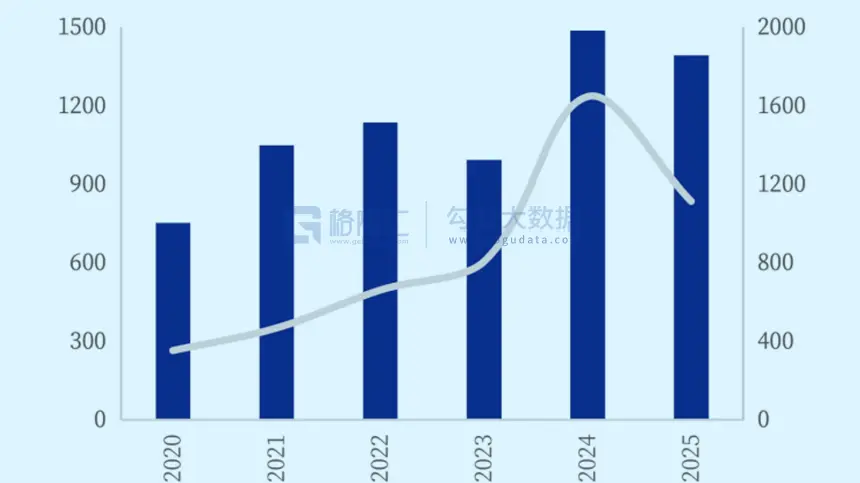
The scale is difficult to grasp. At current exchange rates, the new authorization alone is worth about 1.7 trillion yuan. That single number exceeds the combined buybacks of every listed company on China’s A-share market for all of 2025, which totaled around 142.7 billion yuan, according to market data cited by Chinese financial outlets.
The contrast has become a talking point among investors on both sides of the Pacific. In the United States, the largest technology companies have turned buybacks into a routine way to return cash to shareholders, supported by years of strong free cash flow and a deep pool of domestic institutional money. In China, buybacks remain far smaller relative to market capitalization, although regulators have encouraged listed firms to step up repurchases and dividends to support valuations.
Nvidia’s move also reflects the peculiar economics of the AI boom. Demand for its data-center chips has outstripped supply, giving the company pricing power and thick margins. Rather than hoarding all of that cash, management is choosing to shrink the share count, which lifts earnings per share and can support the stock price even if growth eventually slows.
Critics note that buybacks can crowd out spending on research, factories or acquisitions, and that they tend to reward existing shareholders rather than build new capacity. Defenders argue that Nvidia is already investing heavily in next-generation products and that returning excess cash is a disciplined choice, not a sign that it has run out of ideas.
For Chinese investors, the comparison raises an uncomfortable question: why do Chinese firms buy back so much less? Analysts point to differences in corporate governance, shareholder return culture and the mix of state-owned versus private listings. Many A-share companies prefer to keep cash on the balance sheet or fund expansion, and some face pressure to support local employment and investment rather than buy back stock.
That may be changing. Beijing has pushed for stronger investor protection and higher dividends, and a wave of Chinese technology and manufacturing firms have announced their own repurchase plans in recent months. Still, the gap with Nvidia illustrates how concentrated the AI profit pool has become, and how differently the world’s two largest equity markets treat the question of what to do with a windfall.
For global readers watching the AI trade, the buyback is a reminder that the boom is not only about chips and data centers. It is also about capital allocation, and about which companies and which markets are positioned to turn today’s profits into tomorrow’s shareholder returns.