Boeing Wins $20 Billion US Navy Fighter Deal, Extending Its Combat Jet Comeback
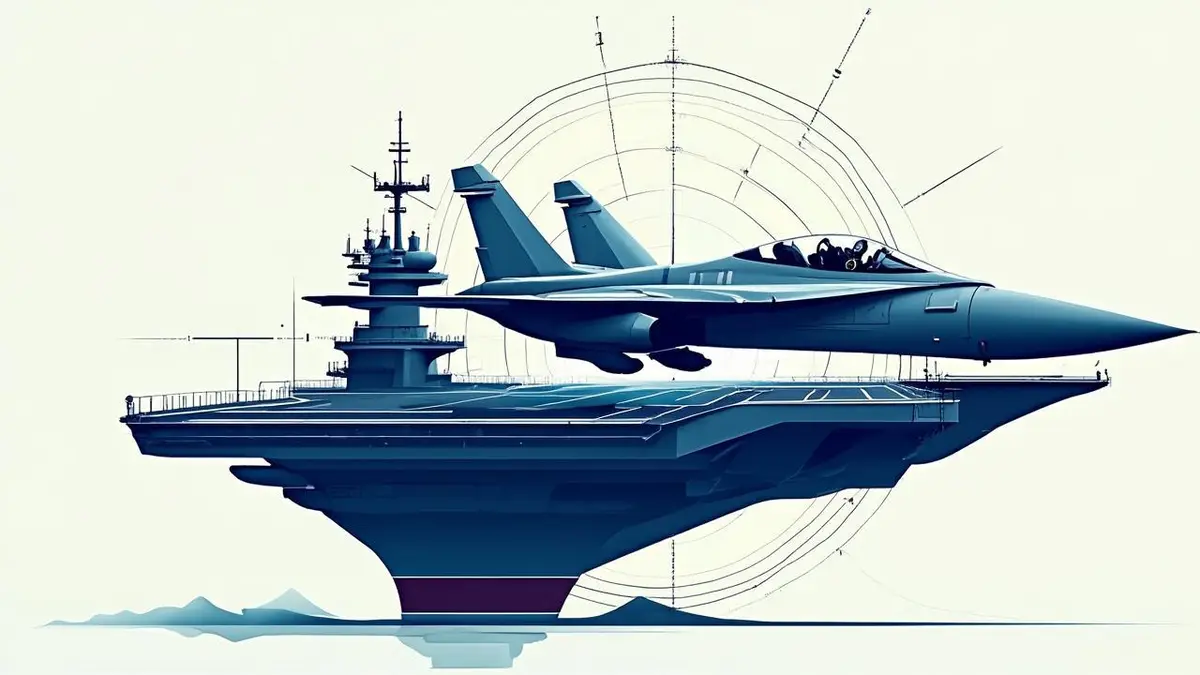
Boeing has been chosen by the US Navy to develop its sixth-generation carrier-based fighter, the F/A-XX, in a full-scale development contract valued at more than $20 billion, according to the US Department of Defense. The award, reported by Chinese outlets citing CCTV News on September 30, covers multiple test aircraft that will be used for ground trials, airworthiness checks, and the integration of onboard systems and weapons. The new jets are expected to begin entering Navy service in the 2030s.
The decision is a significant vote of confidence in Boeing, which had spent years trailing rivals in the race to build the next generation of American warplanes. Earlier in 2025, the company secured the US Air Force’s F-47 program, its next-generation air dominance fighter. With the F/A-XX award, Boeing now holds the lead role on two of the largest future combat aircraft efforts in the United States, a position it has not enjoyed for decades.
For investors, the contract is less about immediate revenue than about the long tail. Development programs of this size typically run for a decade or more, generate steady engineering and manufacturing work, and can lead to production orders worth many times the initial contract value. They also carry risk: next-generation programs are technically demanding, and cost overruns or schedule slips are common in military aviation. The US government has not published a detailed breakdown of the contract’s structure.
Boeing’s commercial business has had a turbulent few years, with production and quality issues drawing regulatory scrutiny and slowing deliveries. The defense side of the company has been a steadier performer, and winning both the Air Force and Navy fighter competitions gives management a story to tell about long-term order visibility. Analysts often describe such awards as a signal of confidence in a contractor’s engineering base as much as a financial event.
The F/A-XX is expected to replace aging carrier fighters and to operate alongside uncrewed aircraft, reflecting a broader shift in how navies plan to fight. The program’s focus on system and weapons integration suggests the aircraft will be designed as part of a network rather than a standalone platform, a theme common to sixth-generation concepts worldwide.
Boeing is not the only company affected. Defense contractors across the supply chain, from engine makers to sensor and electronics suppliers, will compete for work packages that flow from the program. For Boeing’s rivals, the loss of the Navy contract is a setback, though many of them remain involved in other Pentagon programs and could still participate as subcontractors.
The award also lands in a busy period for global defense spending, as several countries modernize their air forces. That backdrop makes large fighter programs politically and industrially important far beyond the companies that win them. For now, Boeing’s task is to turn a paper design into flying hardware on a schedule that will be watched closely by the Navy, Congress, and investors alike.