China's '0-Kilometer' Used-Car Scam Leaves a Thousand Buyers Stranded
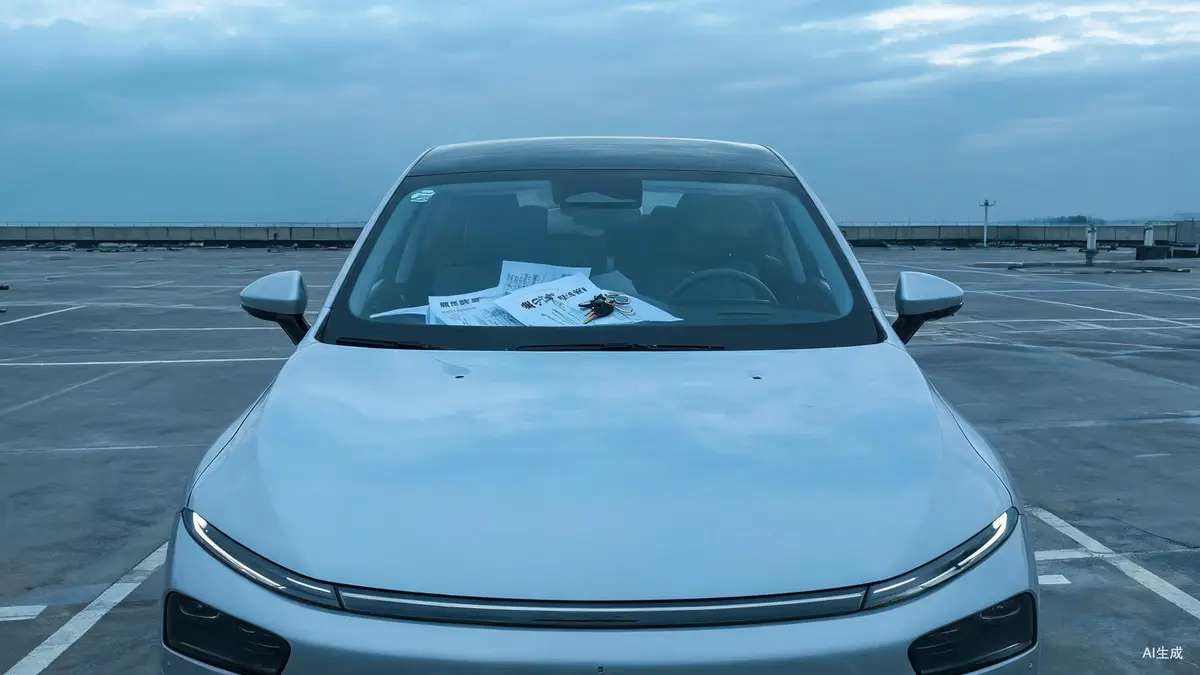
A car that looks brand new, has barely been driven, and costs far less than a showroom model sounds like a bargain. For more than a thousand Chinese buyers this autumn, it turned into a financial trap that may leave them with neither their money nor a car they legally own.
The scheme centered on two linked dealerships in the coastal city of Qinhuangdao, Hebei province: Qinhuangdao Zhongdian Automobile Trade Co. and Qinhuangdao Mingtian Automobile Sales Co. According to reporting by Phoenix Finance’s investigative team, the companies drew customers through short-video platforms, advertising what the trade calls “zero-kilometer used cars” — vehicles registered on paper but effectively new, offered at steep discounts. By late September, the dealerships had gone silent, their staff unreachable and their phones disconnected.
The mechanics of the alleged fraud, as described by buyers, were elaborate. The same vehicle was reportedly sold twice over: once to a borrower who was persuaded to take out a bank loan against it, and again to an ordinary customer who paid the full price in cash. Because the car was still tied to an outstanding loan, the buyer could not obtain clear ownership papers. When complaints arose, staff blamed delays on the government’s trade-in subsidy program, which requires paperwork and can slow transfers. Buyers say the excuses kept the scheme running for months.
One case illustrates the distances involved. A 26-year-old buyer named Wang Haoxin drove more than 550 kilometers from Anyang in Henan province to Qinhuangdao after seeing an online advertisement. He paid in full for a car described as effectively new, only to discover it carried a bank mortgage he knew nothing about. His story, reported by Phoenix Finance, has been echoed by other buyers from across the country.
The case is not isolated. China’s used-car market has expanded rapidly, fueled by短视频-style online marketing and aggressive price competition. That growth has also created openings for bad actors, particularly around “zero-kilometer” listings — a gray zone where cars are registered to qualify for subsidies or meet sales targets, then resold as used. When a vehicle is pledged as loan collateral, buyers who pay cash can find themselves at the back of the queue of creditors.
For affected owners, the practical consequences are severe. Without a clean title, a car cannot be legally transferred, insured normally, or resold. Some buyers have reportedly continued making payments on loans they did not knowingly take out, while others have seen their vehicles at risk of repossession. Legal experts quoted in Chinese media say recovery is difficult when dealerships disappear, because buyers must prove fraud rather than a simple contract dispute.
The timing is awkward for the industry. China’s auto market has been locked in a price war, with manufacturers and dealers offering ever-deeper discounts and subsidy-linked promotions. Regulators have repeatedly warned about misleading advertising and irregular financing in used-car sales. Consumer groups advise buyers to verify ownership documents, check for outstanding loans, and avoid paying large sums before transfer paperwork is complete.
For now, the buyers of Qinhuangdao are left waiting for authorities to trace the companies’ assets and untangle the loans. Their experience is a cautionary tale about a market where a bargain can carry hidden debts — and where the line between a nearly-new car and a financial liability can be very thin.