Chinese Phone Giant Infinix Unveils World-First Gaming Controller and Cooling Dock
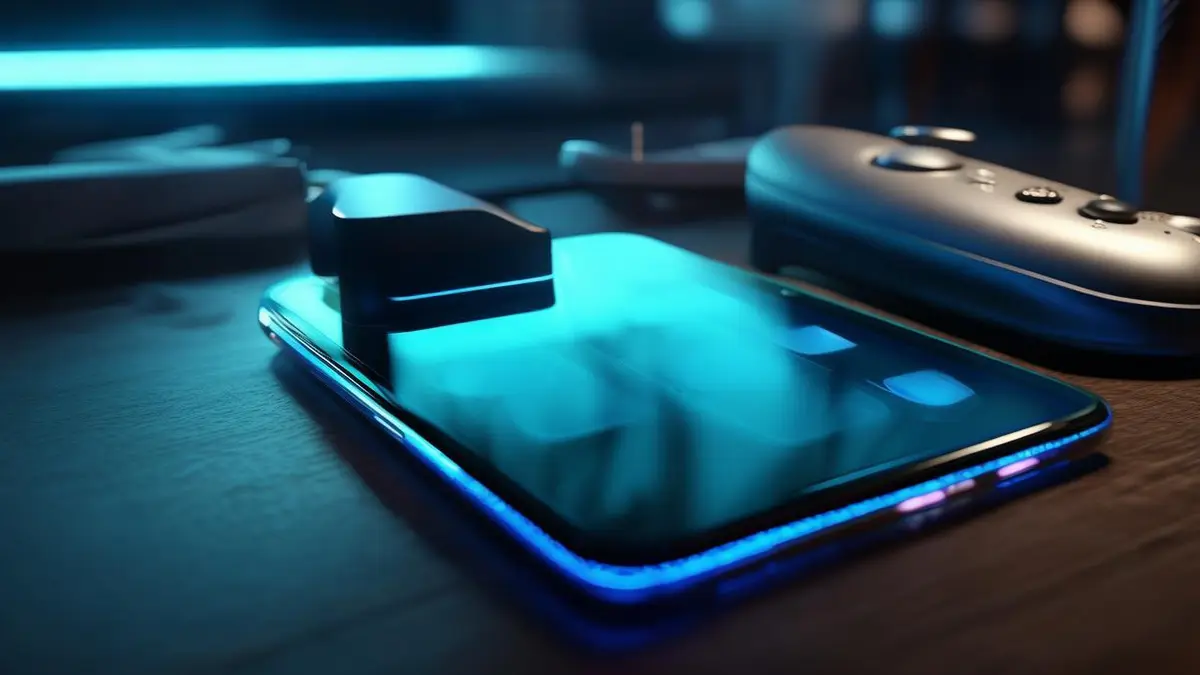
A Shenzhen company best known for putting affordable smartphones into pockets across Africa and South Asia is now chasing a different prize: the thumbs of serious mobile gamers. Infinix, the performance-leaning brand of Chinese phone maker Transsion, has introduced two GT NX accessories that each claim an industry first, including a gamepad built around a glass touchpad designed for pixel-perfect aiming in shooting games.
The headline item is the GT NX Controller, which the company bills as the world’s first gamepad with a pixel-level touchpad tuned for first-person shooters. Rather than relying only on thumbsticks, which have long made precise aiming awkward on phones, players can slide a finger across the smooth glass pad. The surface supports two styles of input: a swipe mode that works like a laptop trackpad, and a mode that behaves more like a computer mouse.
Latency is the other battleground. The controller uses a three-chip design that Infinix says creates a millisecond-level direct connection to the phone, shaving the delay that can decide a firefight in a competitive shooter. Battery life is claimed at more than 22 hours, enough to cover a long tournament weekend without hunting for a charger.
The second product, the GT NX Station, is a docking station that doubles as a cooler. Infinix says it is the first dock to integrate a thermoelectric cooler, a small semiconductor device that pumps heat away when current flows through it. Unlike fan-based rigs, such chips are silent and have no moving parts. The idea addresses a familiar frustration: phones throttle their processors when they overheat, so frame rates sag in the middle of long gaming sessions.
Transsion is an unusual kind of tech giant. Headquartered in Shenzhen, the company behind the Tecno, Infinix and itel brands has for years been one of the world’s largest smartphone vendors by shipment volume, powered by its dominance in African markets, where it has long outsold better-known global rivals. Yet many Western consumers have never heard of it, because the company sells almost entirely in Africa, the Middle East, South Asia and Southeast Asia.
That market context explains the pivot to gaming gear. In much of the world, a smartphone is the only computer and the only game console a household owns. Mobile esports have exploded across Africa, India and Southeast Asia, with tournaments drawing huge audiences and prize pools. Accessories such as controllers, coolers and docks are a natural next step, offering higher margins than budget phones and a way to give the Infinix brand a performance image.
The move also fits a broader pattern in Chinese consumer tech. With smartphone growth slowing, hardware makers are pushing into peripherals, wearables and other categories where a clever engineering trick can define a product. Infinix is not simply copying an existing controller design here; the touchpad approach essentially transplants the precision of a PC mouse onto a handheld form factor, which could resonate with players who grew up on desktop shooters.
Pricing and availability details remain thin, as is common in the days after such a launch. If the GT NX line ships at emerging-market prices, it could put novel features in the hands of millions of players rather than a niche of enthusiasts. Either way, the launch is a reminder that innovation in mobile gaming hardware is no longer coming only from the usual global brands, and that Shenzhen’s quiet giants intend to be seen.