China's Holiday Rental Car Boom Leaves Tour Agencies Behind
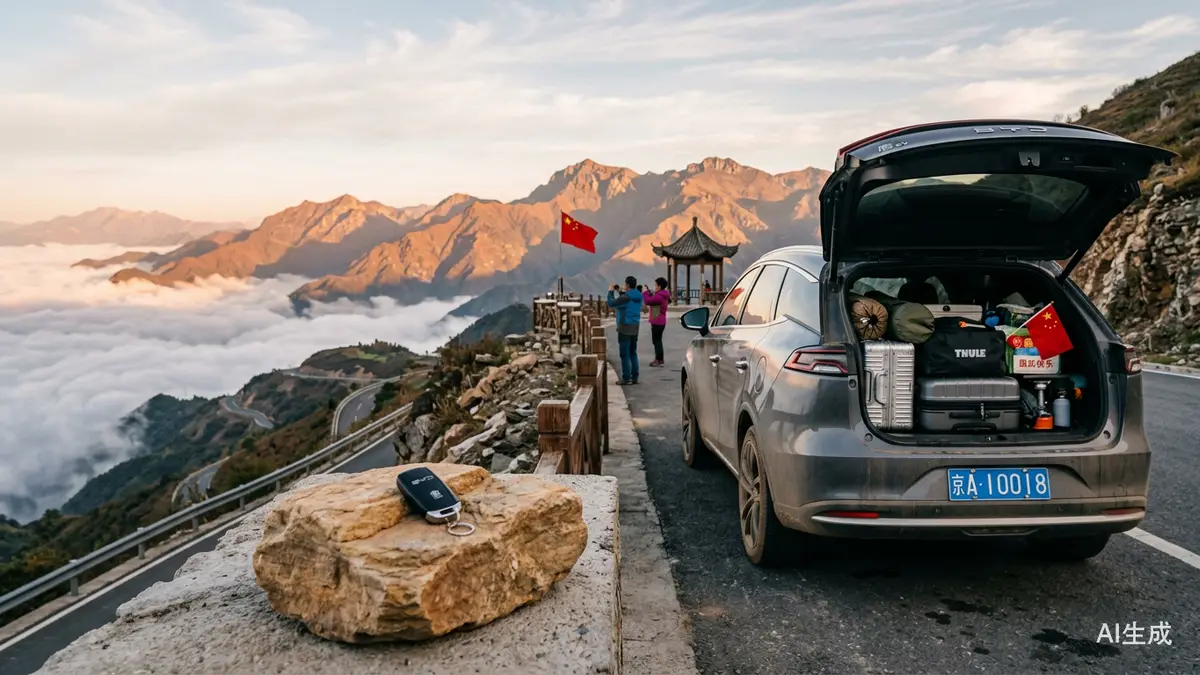
As China prepares for its week-long National Day holiday starting October 1, a striking contrast has emerged in the travel industry. While boutique tour operators who spent heavily on advertising are seeing lackluster demand, rental car companies are reporting sold-out fleets. The trend, reported by travel industry observers, suggests a fundamental shift in how Chinese consumers prefer to explore their country.
A tour operator specializing in customized trips to Yunnan and Guizhou provinces recently expressed bewilderment at the market’s behavior. Despite investing in premium placements on major online travel platforms, his small-group packages drew few inquiries, and those who did reach out focused entirely on negotiating the lowest possible price. Meanwhile, his side business of car rentals saw bookings explode, far outpacing his core tour offerings.
This pattern reflects a broader change in Chinese travel preferences that has accelerated in recent years. The rise of affordable electric vehicles and an extensive high-speed rail network have made it easier than ever for Chinese families to plan independent journeys. Many travelers now view the flexibility of driving themselves as superior to the fixed itineraries of group tours. They can stop where they like, change plans on a whim, and avoid the crowded, regimented experiences that package tours often entail.
The rental car boom also highlights the growing maturity of China’s road trip infrastructure. Scenic highways, charging stations, and navigation apps have improved dramatically, making self-driving vacations practical even for less experienced travelers. For younger Chinese consumers in particular, the appeal of a spontaneous road trip with friends or family outweighs the convenience of letting someone else handle logistics.
For traditional tour operators, the challenge is existential. Those who built their businesses around small-group packages must now compete with the do-it-yourself approach. Some are pivoting to offer niche experiences that are hard to replicate independently, such as expert-led cultural tours or access to remote areas. Others are partnering with rental companies to bundle vehicles with suggested routes and local recommendations.
The timing of this shift is notable. China’s tourism market has been recovering steadily, with holiday spending showing robust growth. Government data indicates that retail and dining sales during recent holidays rose compared to the same period last year, with particularly strong demand for smart devices, outdoor gear, and green products. Travel is part of this broader consumer recovery, but the way people spend their travel budgets is changing.
Industry analysts expect the rental car trend to continue growing, especially as more Chinese households own driver’s licenses and feel comfortable navigating unfamiliar regions. The companies that thrive will be those that adapt to travelers’ desire for freedom while still adding value through convenience, safety, and local expertise. For now, the open road is winning.
The National Day holiday, known as Golden Week, is one of China’s busiest travel periods, with hundreds of millions of people on the move. This year, many of them will be behind the wheel of a rental car, charting their own course through the country’s diverse landscapes. The tour bus, it seems, is no longer the only way to see China.