BlackBerry Is Back in Cars, Not in Your Pocket
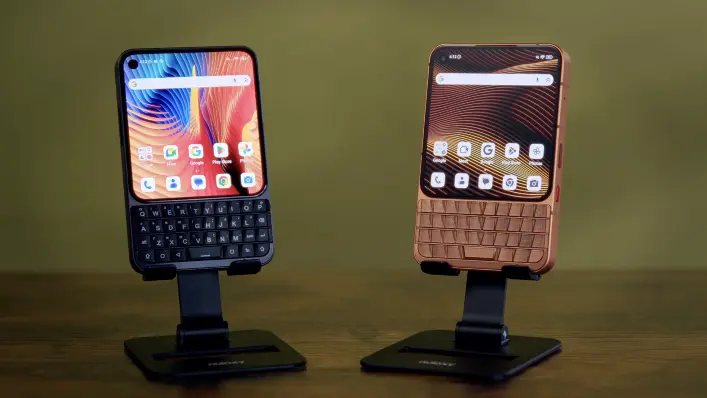
BlackBerry once made the phone that white-collar workers could not put down. At its peak the Canadian company was worth around $83 billion, and its physical keyboard was a status symbol from Wall Street to Beijing. Then the iPhone arrived, Android spread, and the handset business faded to almost nothing.
What most people missed is that BlackBerry did not disappear. It sold off its phone operations and rebuilt itself around software, and one piece of that software turned out to be far more valuable than a handset ever was. QNX, an operating system BlackBerry acquired in 2010, now sits quietly inside cars, medical devices and industrial machines.
The car connection is the big one. QNX is a real-time operating system, meaning it is built to respond instantly and to keep running even when something goes wrong. That makes it a natural fit for digital instrument clusters, advanced driver assistance, and the electronic control units that manage braking, steering and battery systems. Carmakers care less about brand names than about a system that has been proven over decades and certified to strict safety standards.
That reputation is why QNX has ended up in a huge share of the world’s vehicles. As cars become software-defined products, with over-the-air updates and increasingly capable driver assistance, the software layer underneath becomes a strategic asset rather than a commodity component. Every new electric vehicle adds another potential home for it.
The timing is awkward for the newcomers. Chinese automakers and tech firms are racing to build their own vehicle operating systems, and some are trying to reduce dependence on foreign suppliers. At the same time, safety certification takes years, and carmakers are reluctant to gamble on unproven platforms. That tension benefits an incumbent with a long track record, even one whose consumer brand was written off.
BlackBerry’s revival is also a reminder that in technology, the visible product is not always the business. The keyboard phone was the story everyone covered. The software licence buried inside a dashboard is the story that pays the bills. The company now earns money from royalties and long-term contracts rather than from selling hardware, which makes its revenue less glamorous but far more predictable.
None of this guarantees a smooth future. QNX faces competition from open-source alternatives such as Linux-based platforms, and from carmakers who want to own the full software stack. Being embedded in a vehicle is also a slow business: design wins today turn into revenue years later, and a single lost contract can sting.
Still, the contrast is striking. A company that once dominated the phone in your hand now dominates a part of the car you drive, mostly without anyone noticing. For readers outside China, it is a useful case study in how a fallen consumer giant can survive by moving down the stack. For Chinese automakers, it is a reminder that the battle over the connected car is not only about screens and apps, but about the invisible layer that keeps everything running.