Zhang Benzhihe's Nagoya Rollercoaster: Gold, Then a Shock Exit
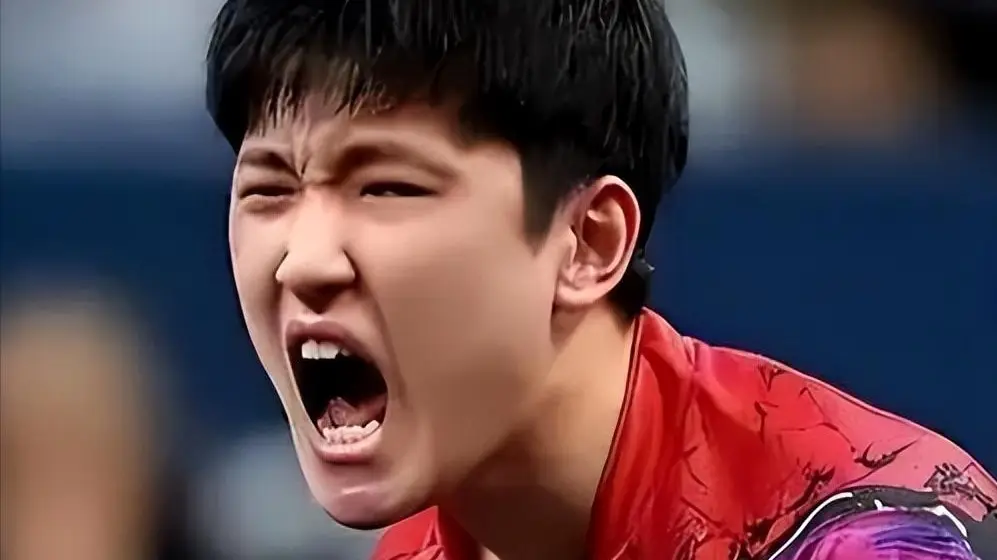
Tomokazu Harimoto had one of the strangest weeks any table tennis player could imagine at the Nagoya Asian Games. In the men’s team final, the Japanese star won both of his matches, including a straight-games upset of world No. 1 Wang Chuqin of China, helping Japan claim its first men’s team gold at the Asian Games in about six decades.
Two days later, the picture flipped completely. In the singles quarterfinals, Harimoto lost a seven-game thriller to Noshad Alamiyan, an Iranian veteran ranked around 344th in the world, and missed the semifinals entirely. Then, in the men’s doubles final, he and partner Shunsuke Togami fell 4-2 to China’s Lin Shidong and Huang Youzheng, taking silver.
In three days he went from national hero to the centre of an awkward debate. After the loss, Harimoto said Japan had genuinely believed it could challenge for gold, while also admitting the gap to the top was still visible. Chinese fans, predictably, were not thrilled by the framing.
For readers unfamiliar with the sport, Harimoto is Japan’s leading male player and one of the few non-Chinese names consistently ranked near the top. Wang Chuqin is the current world No. 1 and was the headline story of these Games for a different reason: he reached three finals and lost all three, leaving Nagoya without a gold.
The contrast made for a compelling narrative. Japan’s team breakthrough suggested the men’s game is becoming more competitive, at least in team formats, where depth and tactics matter. But Harimoto’s singles collapse also showed how narrow the margins are, and how quickly momentum can vanish in a seven-game match.
Alamiyan, meanwhile, became one of the tournament’s feel-good stories. A long-serving player from Iran, he has spent years as an underdog on the international circuit. Beating a top-five opponent in a knockout match at a major Games is the kind of result that reshuffles expectations and gives smaller table tennis programmes something to point at.
For Japan, the mixed results will feed an ongoing conversation about how to convert team strength into individual consistency. Harimoto’s aggressive style can overwhelm anyone on a good day, but it also produces volatile results when his serve and receive game wobbles. Coaches will study the singles loss closely.
For China, the team defeat was a jolt, but the doubles gold and Wang’s deep runs underlined the country’s overall depth. The bigger question now is what both nations take from Nagoya into the next major cycle.
What is certain is that Harimoto leaves Japan with a gold medal, a silver medal and a viral quote. In a sport often dominated by one country, a week that produced both a historic team win and a stunning upset is exactly the kind of unpredictability that makes the next tournament worth watching.