Man City Ruled to Have Hidden £8.86m Payment to Mancini
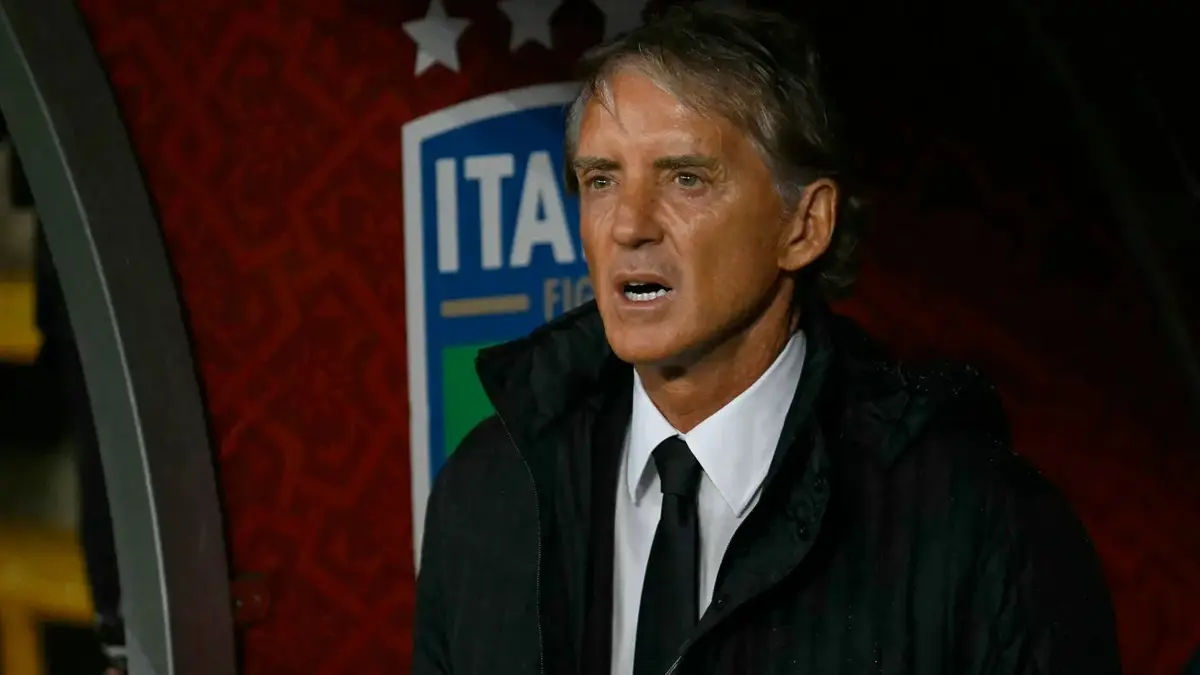
An independent Premier League commission has concluded that Manchester City concealed roughly £8.86 million (about $11.8 million) owed to former manager Roberto Mancini, according to the football news outlet Goal. The panel said the club routed payments that should have appeared in its accounts through consultancy agreements with third parties, a structure it described as not genuine.
The ruling centers on the period when Mancini, an Italian coach who led City from December 2009 to May 2013, was in charge. Under his guidance the club won the FA Cup in 2011 and then the Premier League title in 2012, a season remembered worldwide for Sergio Aguero’s last-gasp goal against Queens Park Rangers.
According to the report, the commission found City breached Premier League rules P.7 and P.8, which govern how clubs must report payments and deal honestly with the league. Investigators said part of the money owed to the manager was written into advisory contracts between third parties, with the funds originating from the Abu Dhabi group that owns the club. Because the payments did not appear as club expenditure, the commission said City’s reported spending was understated.
The panel went further, saying the arrangements were designed to avoid the league’s financial rules and that club management appeared to have intended to sidestep them. That language matters: English football’s spending regulations depend on clubs disclosing all payments to players and staff, and any gap between what is paid and what is declared goes to the heart of the system.
For global readers unfamiliar with the case, Manchester City have been the dominant force in English football over the past decade, winning multiple league titles under manager Pep Guardiola. The club’s ownership, through City Football Group, is backed by Abu Dhabi. The Mancini finding is one strand of a much wider set of proceedings that have hung over English football for years and that have already reshaped how fans, rivals and sponsors talk about the club.
Reaction has been cautious. England captain Harry Kane, speaking after England’s 2-0 win in the Czech Republic, said he had only just learned of the decision and did not think it was his place to comment without knowing more. His restraint reflects how sensitive the subject remains inside the game, where players are wary of being drawn into disputes involving a rival club.
What happens next is unclear. City have not issued a detailed public response in the report, and any sanctions, appeals or further hearings would unfold through the league’s legal processes rather than on the pitch. For now, the finding adds another chapter to a long-running story about money, disclosure and the rules that govern modern football.
For supporters, the immediate sporting question is whether the case distracts from results. For everyone else, it is a reminder of how much of elite football now happens off the field, in contracts, accounts and committee rooms, far from the noise of the stadium.