Barcelona's Africa Deal Pays Out as Club's Finances Steady
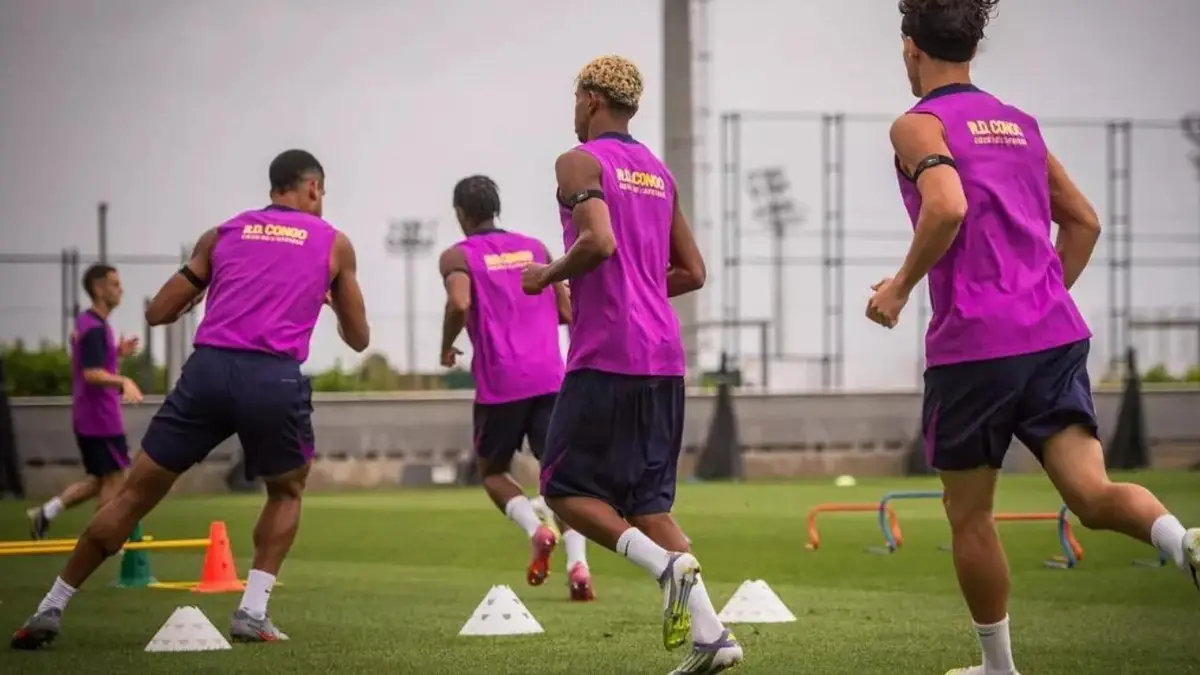
Barcelona has collected the €10 million payment owed for this season under its partnership with the Democratic Republic of Congo, according to Spanish sports daily Mundo Deportivo, and the arrangement’s branding is set to reappear on the club’s training kit after the current international break.
When the deal was announced in the summer of 2024, it was described as a four-season collaboration expected to generate roughly €40 million for the Catalan club, with performance-related clauses that could lift the total to about €44 million. For a club navigating La Liga’s strict financial fair play rules, that money was never just symbolic. It arrived at a moment when Barcelona needed to demonstrate new commercial revenue to register players and balance its books.
The most visible element of the partnership has been the Democratic Republic of Congo’s logo on Barcelona’s training wear. The insignia disappeared from the kit for a period, and static advertising tied to the agreement also paused. Both are expected to return once club and national-team players report back from international duty, restoring one of the more unusual sponsor placements in European football.
Barcelona framed the collaboration as more than a standard shirt deal. The club said the main goal was to help promote sport and physical activity in the Democratic Republic of Congo, a Central African nation of roughly 100 million people, through football-related projects and visibility. Such government-linked sponsorship arrangements have become increasingly common in European football, though they tend to draw scrutiny over transparency and how the money is used.
For Barcelona, the timing matters. The club has spent years digging out of a deep financial hole, selling off future revenue streams and renegotiating debt while trying to stay competitive on the pitch. Commercial deals like this one are part of a broader strategy to rebuild income beyond matchday and broadcast revenue, alongside redevelopment work at the Camp Nou.
The return of the logo is a small but telling detail. Sponsorship arrangements often wobble behind the scenes over payment schedules or contractual terms, and a sponsor vanishing from a team’s kit usually signals friction. Its comeback suggests the relationship is back on track and that the club has secured the cash it was counting on for the current season.
Barcelona is not alone in courting partners from Africa and the Middle East. Clubs across Europe have signed agreements with tourism boards, national governments and state-linked companies, trading global exposure for money that domestic sponsors may not provide. Critics question whether such deals genuinely deliver the development benefits they promise, while clubs argue they bring investment and attention to regions that rarely feature in elite football’s media spotlight.
For the club’s supporters, the practical question is simpler: does the money help build a squad capable of winning? Every million counts under spending rules that cap what Barcelona can register. With the payment banked and the branding returning, the partnership will once again be part of the club’s everyday image, from the training ground to the front of its shirts.