World of Warcraft Turns 22, and a Bubble Tea Chain Wants In
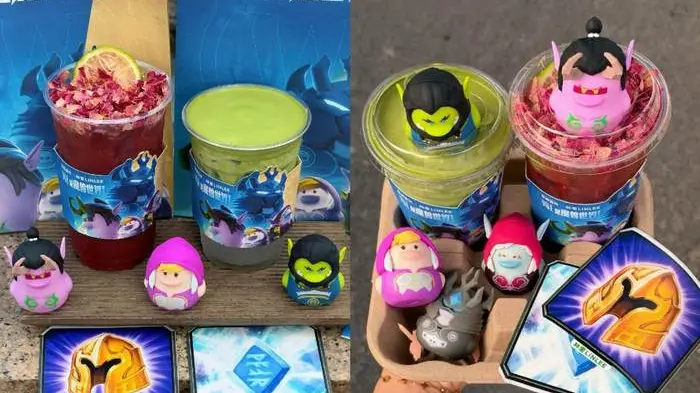
Anyone who spent their teenage years shouting “For the Horde!” or “For the Alliance!” now has somewhere to shout it in real life. On 16 October, the Chinese tea chain LINLEE launched a cross-over campaign with World of Warcraft, the long-running online role-playing game that has just turned 22. The theme is a pun built on the Chinese word for duck, and the company is pitching it as a reunion: gather the friends you once raided dungeons with, and have a drink again.
The campaign is not just a logo slapped on a cup. LINLEE has produced co-branded drinks, limited-edition merchandise, and themed store experiences across participating outlets nationwide, inviting players to show up in person. For a generation that grew up in group chats and voice channels, the appeal is obvious. The game’s world, Azeroth, was where many of them learned to cooperate under pressure; a tea shop is where they can now do it with less at stake.
World of Warcraft arrived in mainland China in 2005 and quickly became a cultural fixture rather than just a product. University dormitories organised raid schedules around class timetables. Internet cafes filled on patch days. Players who never met face to face knew each other’s voices, habits and shortcomings better than they knew their classmates’. That history is exactly what the campaign is trading on.
It also fits a pattern. Chinese consumer brands have spent the past few years chasing game and animation cross-overs because the audiences are young, loyal and unusually willing to queue. Tea and coffee chains in particular have turned limited-edition cups and stickers into collectors’ items, with resale markets forming within hours of a launch. A cup becomes a souvenir; a souvenir becomes proof that you were there.
LINLEE is known for lemon tea and for a duck mascot, which is why the wordplay works in Chinese. The choice of partner says something about where the company thinks its customers’ nostalgia lives. World of Warcraft is old enough to be sentimental but still active enough to matter, which is a rare combination. Anniversary marketing tends to work best when the audience has something to remember together.
For the game itself, 22 years is an unusual milestone. Most online titles do not survive their first decade. World of Warcraft has done it by repeatedly rebuilding itself, and by keeping a core of players who treat their accounts less like entertainment and more like a place they used to live. Brands have learned to borrow that feeling.
Whether the drinks are any good is a separate question, and one the campaign is happy to let customers settle themselves. The real product is the excuse: a specific date, a specific shop, and a friend you have not seen since your last raid. Tea is cheap. Reunions are not.
The campaign runs at participating stores, with merchandise typically limited and sold out quickly. If past cross-overs are any guide, the queues will be long, the stickers will end up on laptop lids, and someone will post a photo of a cup next to an old screenshot. For a game about fighting for two factions, that is a surprisingly peaceful ending.