Didi Taxi Drivers Caught Adding Fees Riders Never Owe
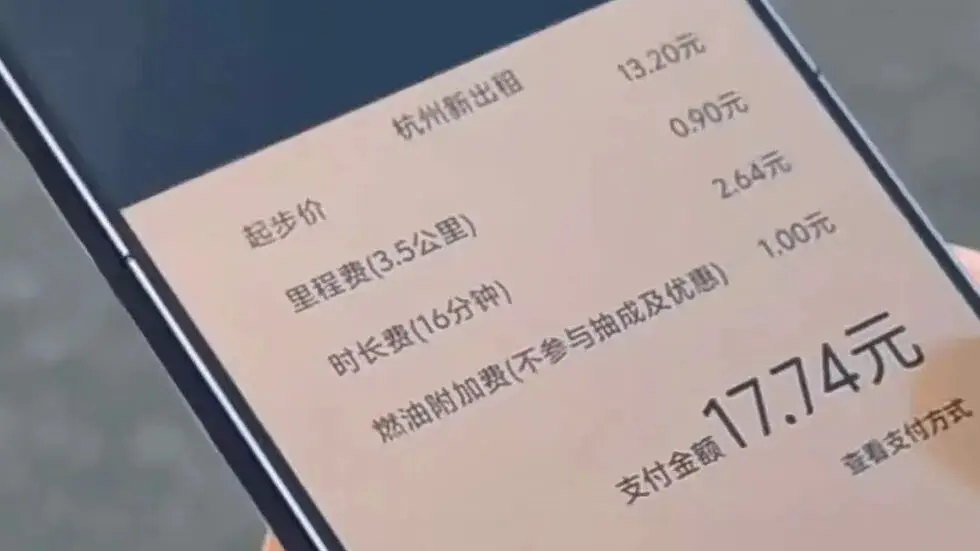
A quiet line on a taxi receipt is turning into one of the more awkward consumer stories in China’s ride-hailing market. Several passengers have complained that when they book a taxi through Didi, the country’s dominant ride-hailing app, the final bill includes a fuel surcharge — even when the car is a fully electric vehicle that burns no fuel at all. Others say they were charged highway and bridge tolls for trips that never went near a toll gate.
According to reports from outlets including China Blue News, the driver side of the Didi app lets drivers type in fuel surcharges and road tolls manually. Whether the fuel surcharge appears, and how large it is, is left to the driver. The charges flow straight into the passenger’s final bill, and unless a rider taps open the detailed breakdown, the extra money is easy to miss.
That design is the heart of the problem. A surcharge that a human types in, with no link to the meter, the route or the vehicle’s power source, is not really a calculation — it is a claim. In a traditional taxi, fuel surcharges exist for a reason: they help drivers absorb swings in petrol prices. The logic collapses when the taxi is electric, which describes a fast-growing share of China’s urban cab fleets.
China’s taxi market is a patchwork. Cities set their own fare rules, and many allow small add-ons such as fuel surcharges, airport fees or bridge tolls under specific conditions. Ride-hailing platforms, meanwhile, have spent years promising transparent pricing: a fare estimate before you ride, an itemised bill after. Manual entry sits uneasily between the two worlds, because it hands a regulated-looking line item to individual discretion.
For passengers, the sums are usually small — a few yuan here, a toll there — which is exactly why the practice can spread unnoticed. It is also why complaints tend to arrive in bursts on social media rather than in court. The rider who does check the breakdown faces a familiar choice: spend time contesting a handful of yuan, or let it go.
Didi has said the fuel surcharge and toll features are options that follow local taxi pricing rules, and that drivers are expected to use them honestly. The company has previously invited riders to report suspicious charges through the app so it can review them. Whether those reviews lead to refunds, warnings or suspensions is less clear to the public.
The timing matters. China’s ride-hailing market is mature and fiercely competitive, with drivers squeezed by falling per-trip earnings and platforms competing on price. When take-home pay thins, informal add-ons become tempting, and trust — the only real currency a platform has — gets spent instead. Every unexplained charge on a receipt is a small withdrawal.
There is a straightforward fix available: link toll charges to actual gantry records, disable fuel surcharges for vehicles registered as electric, and surface any manual addition in bold before payment. Until something like that happens, the most reliable protection is the cheapest one — open the bill, read the lines, and question anything that does not match the trip you took.