The 2001 Chinese Strategy Game That Beat the World to E3
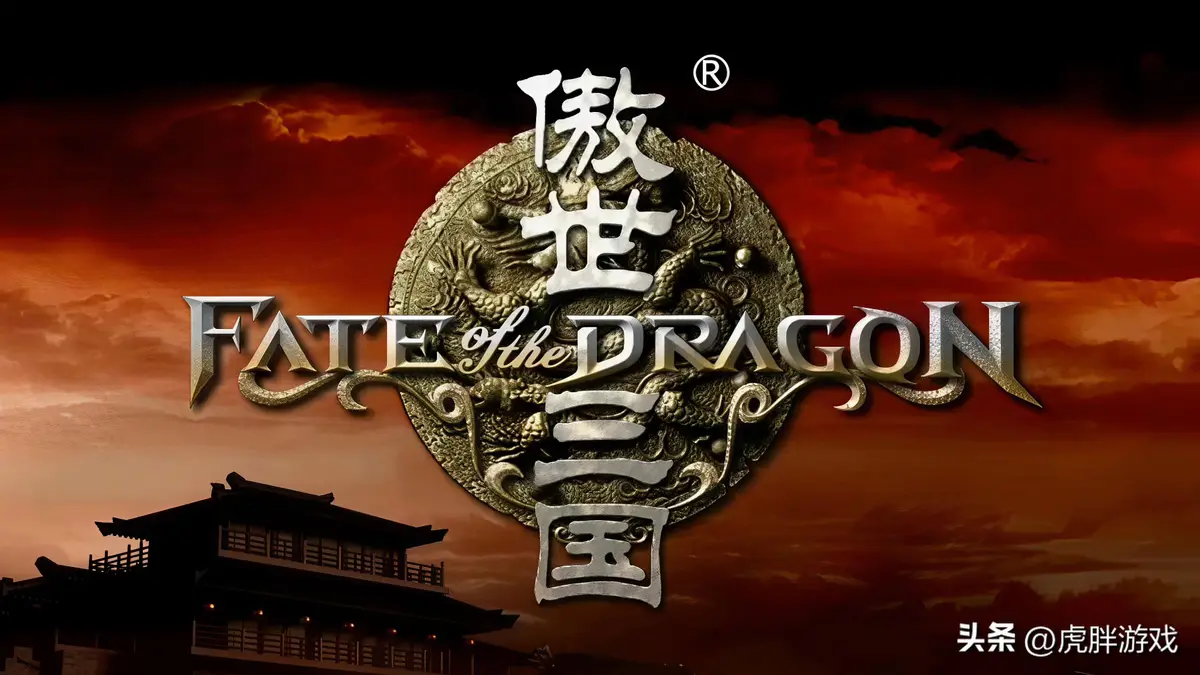
In January 2001, a small studio in Beijing called Object Software released a real-time strategy game set in the Three Kingdoms era, the chaotic third-century period when China split into rival kingdoms. The game was called Aoshi Sanguo, known in the West as Fate of the Dragon. It took roughly two years to build and cost about two million yuan, a modest figure even by the standards of the time.
What happened next still gets retold in Chinese gaming circles. Fate of the Dragon became the first Chinese-developed game to appear officially at E3, the big American trade show in Los Angeles. It was eventually translated into 16 languages and released in more than 60 countries, with the British publisher Eidos handling global distribution. For a generation of Chinese players, it remains the high point of the domestic real-time strategy genre.
The game’s foundation was solid. Resource gathering and unit production followed the familiar real-time strategy loop, but the designers layered on a management simulation. Money came mainly from city taxes, and the tax rate had to be adjusted according to population, the local economy and public morale. Push taxes too high and the people suffered; too low and your army starved. It was a small system, but it made every city feel like a place rather than a production queue.
Visually, the game held up well. Its artwork drew on classical Chinese painting and architecture, and the campaign followed the famous novel Romance of the Three Kingdoms, letting players command the warlords and strategists most Chinese children grow up knowing. Heroes could be recruited, developed and deployed, a structure that rewarded patience as much as speed.
Its timing was fortunate. In 2001, China’s PC gaming market was still young, and homegrown titles rarely travelled. Fate of the Dragon showed that a Chinese team could compete on craft and presentation, and that a story rooted in Chinese history could appeal to players who had never heard of the Three Kingdoms. That was not obvious at the time.
The game also left a bittersweet legacy. Object Software never produced a sequel of comparable reach, and the domestic industry soon shifted toward online games, mobile titles and free-to-play models. Real-time strategy faded as a commercial genre worldwide. Yet in retrospectives, Fate of the Dragon is still described as the peak that Chinese real-time strategy never quite surpassed.
For younger players raised on live-service games and gacha systems, the story is a reminder of how different the industry once looked. A team of a few dozen people, a budget in the low millions and a two-year schedule could produce something that stood on an international stage. That math no longer works, but the ambition behind it does.
Aoshi Sanguo is not a nostalgia piece for everyone. Its interface is dated, its pathfinding clumsy and its pace slow by modern standards. But it remains a useful landmark: the moment a Chinese studio stopped assuming it was playing catch-up and simply shipped a game it believed in.