Naruto's 'Rasengan Project' Maps Out Games and Anime to 2029
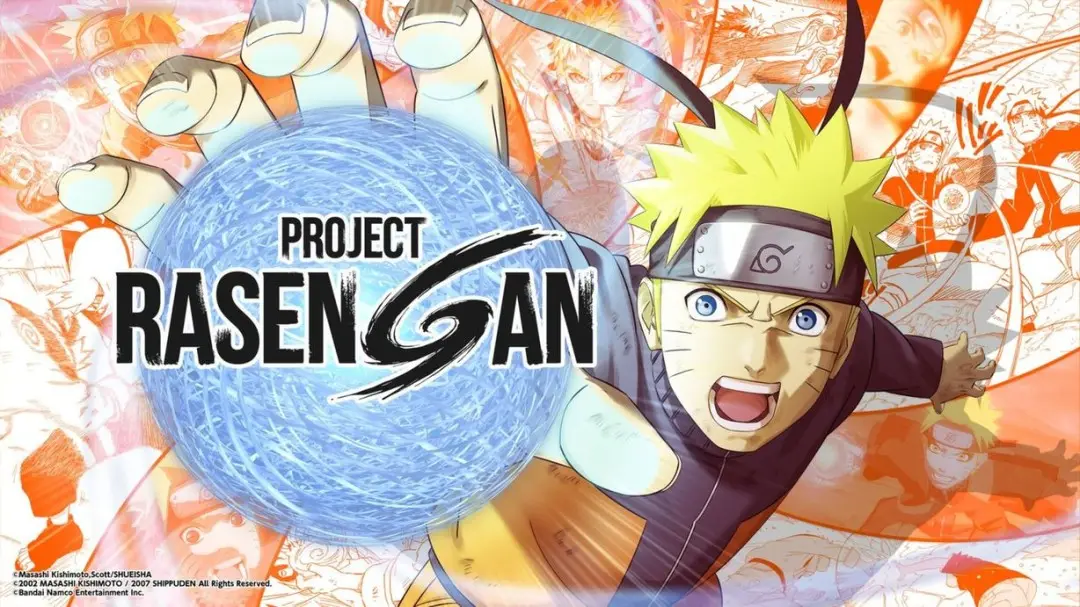
Fans of Naruto, one of Japan’s most globally recognized manga and anime franchises, got a long-range roadmap at New York Comic Con in 2026. The franchise announced what it calls the Rasengan Project, a slate of animation, manga and games that will roll out over several years and is currently planned to run until at least 2029. No specific release dates were attached to any of the announced projects.
On the games side, two titles were confirmed. One is a new Naruto card game, a genre the series has not leaned on heavily in recent years. The other is a mobile game intended for a worldwide release rather than a single region. Neither has a launch window, and the announcement did not detail platforms, monetization or gameplay systems, so it remains unclear how the two will relate to each other or to the mainline console titles fans already know.
The animation plans are the more unusual part of the reveal. A crossover between Naruto and Ninku is set for four episodes. Ninku is a 1990s manga and anime about a young martial artist, and the two series share more than a genre: Masashi Kishimoto, the creator of Naruto, has cited Ninku as an early influence. Koji Kiriyama, who created Ninku, is involved in supervising the original story alongside Kishimoto. Noriyuki Abe, who directed the Ninku anime, returns to direct, with Tetsuya Nishio handling character design.
That crossover is a notable piece of fan service. Naruto ran in Weekly Shonen Jump from 1999 to 2014 and has since spawned sequel series, films and a steady stream of licensed games. Ninku is far less known outside Japan, so the collaboration gives international audiences a reason to look up a title many have never encountered, while longtime Japanese readers get a reunion of two creators whose work shaped a generation of action manga.
The Rasengan Project name comes from the swirling sphere of energy that serves as Naruto’s signature technique, a move familiar even to people who have never read a chapter. Using it as an umbrella label suggests the franchise wants the announcements treated as one connected push rather than scattered one-offs, spanning comics, television and interactive entertainment at the same time.
The absence of dates is worth noting. Multi-year franchise plans in manga and anime are often announced years ahead and then adjusted as production schedules shift, and a four-episode crossover in particular depends on animation studio capacity. Announcing the shape of the plan without committing to dates gives the rights holders room to move pieces around while keeping fan interest alive.
For global readers, the practical takeaway is simple. Naruto is not winding down. Between a card game, a worldwide mobile release and a crossover animation event, the series is being positioned for a run that extends well past its original story’s conclusion. What that means for quality, and whether the card and mobile titles find an audience outside dedicated fans, will only become clear once dates and platforms are confirmed.