China's Smallest EV Just Got a Massage Seat
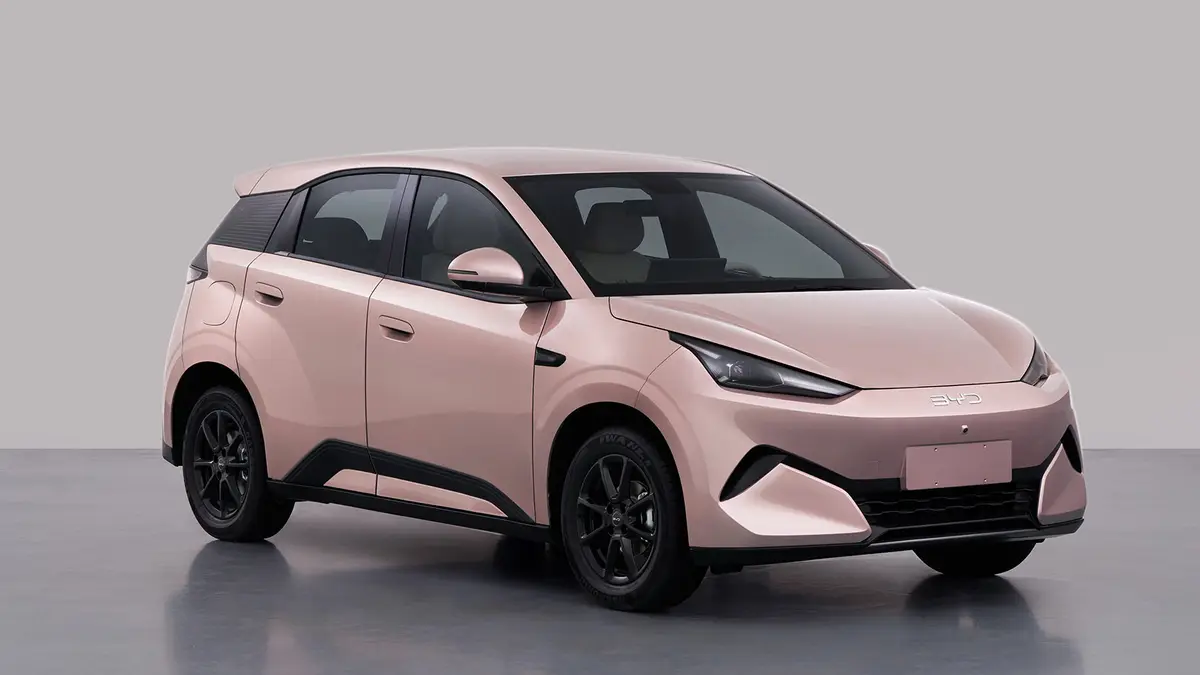
BYD is preparing a new version of the car that made electric driving cheap in China. On September 30, Zhang Zhuo, general manager of BYD’s Ocean series sales division, shared interior details of the second-generation Seagull through a long image post on social media. The message was simple: the smallest, cheapest car in the lineup is getting features that used to belong to much more expensive machines.
The cabin is trimmed mainly in white and uses a column-mounted gear selector, a layout that frees up space between the front seats and gives the interior a cleaner, more open feel. Buyers will get multi-colour ambient lighting, automatically controlled air conditioning and front seats with electric adjustment. The driver’s seat adds a massage function, an unusual offering in a car positioned at the entry level of China’s electric vehicle market.
Storage is the other headline. The new Seagull carries a 94-litre front trunk under the hood, a feature rarely seen in small cars, and a redesigned rear bench with more legroom. Magnetic snap-in buttons let owners attach small accessories to fixed points around the cabin. BYD is calling the package its three pillars of comfort, intelligence and storage.
The Seagull matters because of scale. Since its launch, the little hatchback has become one of China’s best-selling electric cars, largely by undercutting rivals on price while still offering a usable range for city driving. Its success helped push several competitors to cut prices or abandon the segment entirely. A second generation that raises the equipment list without leaving the budget bracket could squeeze smaller brands further.
China’s car market has spent the past two years in a bruising price war, and the cheapest segments are where the fighting is hardest. Adding a massage seat to an entry model is a signal that spec sheets, not just stickers, are now the battleground. It also reflects a broader shift: Chinese buyers increasingly expect connected screens, driver assistance and comfort features even in cars that cost a fraction of a European compact.
The timing fits a busy moment for the industry. Data released the same day by the China Association of Automobile Manufacturers, drawing on customs figures, showed the country’s auto imports and exports totalled 30.6 billion US dollars in August, with exports up 28.6 percent year on year while imports fell 33.5 percent. Chinese brands are shipping more cars abroad even as domestic competition stays fierce.
BYD has not announced pricing or a launch date for the second-generation Seagull. The current model starts at the low end of the market, and the company will need to keep it there to preserve the formula that worked. Whether a massage seat and a front trunk can coexist with a rock-bottom sticker is the question buyers will answer when the car reaches showrooms.
For now, the teaser does what teasers are meant to do: it tells rivals that even the cheapest corner of China’s electric car market is no longer cheap on features. Small cars elsewhere in the world are watching closely.