A $37 Chili Sauce Tests How Far China's Premium Food Boom Can Go
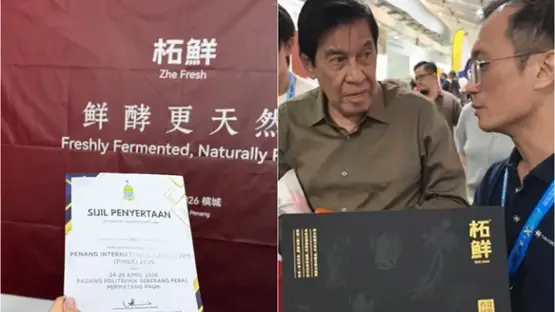
Walk into almost any Chinese supermarket and you will find the same scene: shelf after shelf of chili sauce priced around ten to twenty yuan, or roughly two or three US dollars a jar. That price band has held for years, and it has become something close to a wall. Brands that charge more struggle to be anyone’s first choice; brands that charge less struggle to be trusted.
A young company from Henan province is testing that wall on purpose. The brand, called Zhexianji, sells a box of four small jars for 268 yuan, about $37. Each jar holds 113 grams, which works out to roughly 67 yuan — around $9 — per jar. A home cook with a normal spoon might get four or five scoops out of one before scraping the bottom. Online commenters greeted the price with the usual joke: let the rich eat first.
It is easy to laugh, but the pricing is not random. Chinese consumers have spent the past decade trading up in categories that once looked purely utilitarian. Coffee moved from instant sachets to single-origin beans. Rice, tea, soy sauce and even bottled water now come in tiers with tasting notes and provenance stories. Chili sauce, a condiment so ordinary it is often treated as a grocery staple rather than a product, is the latest frontier.
What makes chili sauce hard to premiumize is memory. For most Chinese households, it is the thing you spoon onto rice when there is nothing else, or the thing that rescues a bland bowl of noodles. It is cheap, it is reliable, and it is deeply personal — every region, and often every family, has a favorite. Paying luxury prices for that is a psychological leap, not just a financial one.
Zhexianji’s answer appears to be scarcity and craft: small jars, small batches, a regional identity rooted in Henan, a province in central China long known for agriculture and wheat, not for fancy condiments. That framing turns a commodity into a souvenir. It also means the product is not really competing on the dinner table. It is competing as a gift, a curiosity, or a small indulgence — the same logic that lets a jar of imported truffle paste outsell a better one at a tenth of the price.
There is a real business question underneath the jokes. China’s food market is enormous, but it is also brutally crowded, and the cheapest brands have spent decades optimizing supply chains to shave fractions of a yuan. A newcomer cannot win that fight. So it must convince buyers that the category itself has a ceiling worth breaking, and that the ceiling was never about the chili at all — it was about who gets to decide what a condiment is worth.
Whether Zhexianji succeeds will depend less on chili lovers than on gift buyers and social media. In China, a product that is talked about can survive a high price for a while; a product that is merely expensive usually cannot. The company’s real bet is that curiosity, not hunger, will do the selling.
For global readers, the story is a small window into a big shift. As Chinese incomes have risen, so has the willingness to pay for story, rarity and design in everyday goods. Some of those bets look absurd at first — a $37 box of chili sauce among them. But the same skepticism once greeted premium coffee, craft beer and artisanal soy sauce in China, and plenty of those categories now look obvious in hindsight.