China's Deck-Building Hit 'Battle of the Golden Spatula' Turns Five With a Party
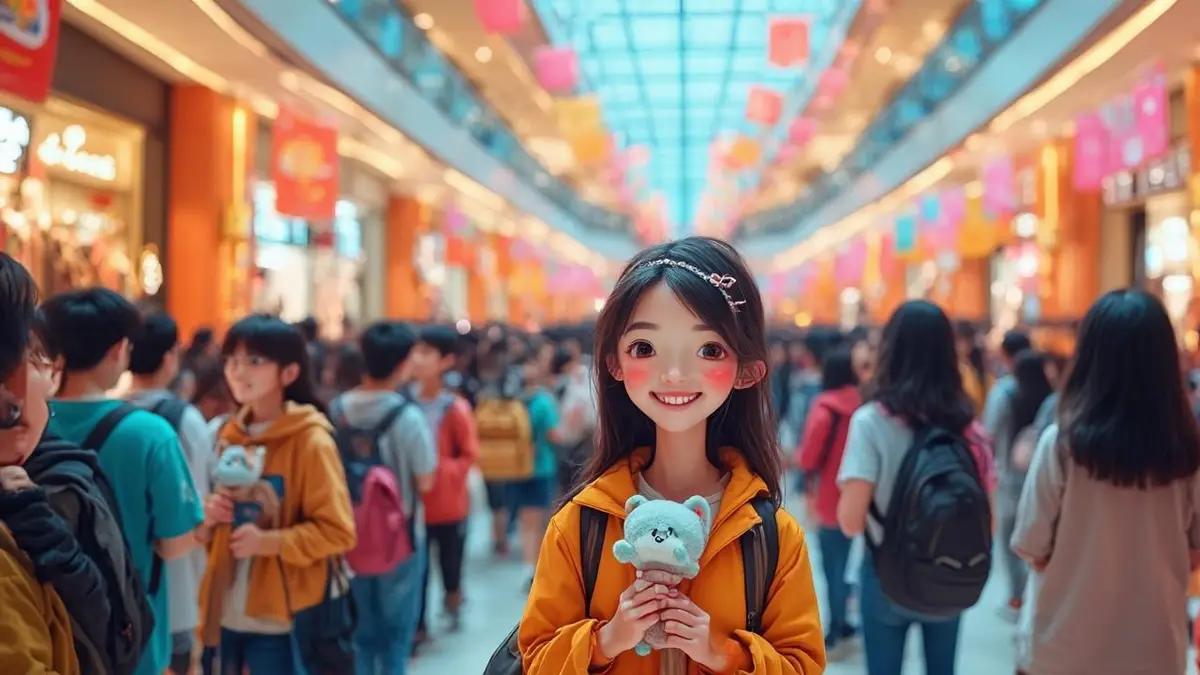
A pair of siblings stood in line at a shopping mall in Shenzhen, each clutching a shovel they had made by hand. When the curtain in front of them finally lifted, a plush dragon with fuzzy paws reached out and made two trades. The older brother walked away with a giant golden shovel; his younger sister got a keychain. She was not satisfied. She announced she would come back next time — and she still wanted the big shovel.
That scene played out over and over between late August and early September at Shenzhen Bay MixC, a major shopping complex in the southern Chinese tech hub. It was part of a fifth-birthday party for Battle of the Golden Spatula, a mobile strategy game published by Tencent that has quietly become one of the most-played titles in the country.
For readers outside China, the game may be unfamiliar, but its roots are not. Battle of the Golden Spatula is the Chinese version of Teamfight Tactics, the auto-battler spin-off of League of Legends. In an auto-battler, players assemble a squad of characters that fight on their behalf, then adjust lineups and items between rounds. Matches are short, strategic and easy to pick up on a phone — a combination that has kept millions of players coming back for years.
The game’s Chinese name, Jin Chan Chan, comes from a slang phrase meaning roughly “to shovel everything up,” and the community has embraced the shovel as its mascot. Fans make their own shovels, dress as characters and trade handmade merchandise at offline events. At the Shenzhen party, that culture was on full display: cosplayers posed for photos, players wrote their in-game IDs on a message board, and strangers struck up conversations after swapping pins and stickers.
Five years is a long life for a mobile game in China, where new titles launch constantly and competition for attention is brutal. The anniversary event drew crowds across multiple days, and organizers leaned into the ritual of collecting — the same instinct that drives trading-card hobbies worldwide. The plush dragon handing out prizes was itself a character from the game, turned into a mascot that fans now recognize on sight.
Tencent has expanded the franchise beyond the app. There are esports tournaments, merchandise lines and collaborations with other entertainment properties, all aimed at keeping the game in players’ daily routines rather than treating it as a passing download. Offline gatherings like the Shenzhen party serve a similar purpose: they turn a solo mobile habit into something social, giving players a reason to bring friends and family along.
That strategy appears to be working. The game has weathered the usual cycles of mobile gaming — new seasons, balance changes, shifting metas — while holding onto a core audience that treats it less like a product and more like a hobby. The siblings with the handmade shovels are a small but telling example. One left happy, the other determined. Both planned to return.
For global observers, the story is a reminder that China’s gaming market is not only about blockbuster titles with cinematic trailers. Some of its most durable successes are modest-looking strategy games played in short bursts on the commute home, sustained by communities that show up in person when the game throws a party.