Why Low-Price Milk Tea Shops Are Thriving in China in 2026
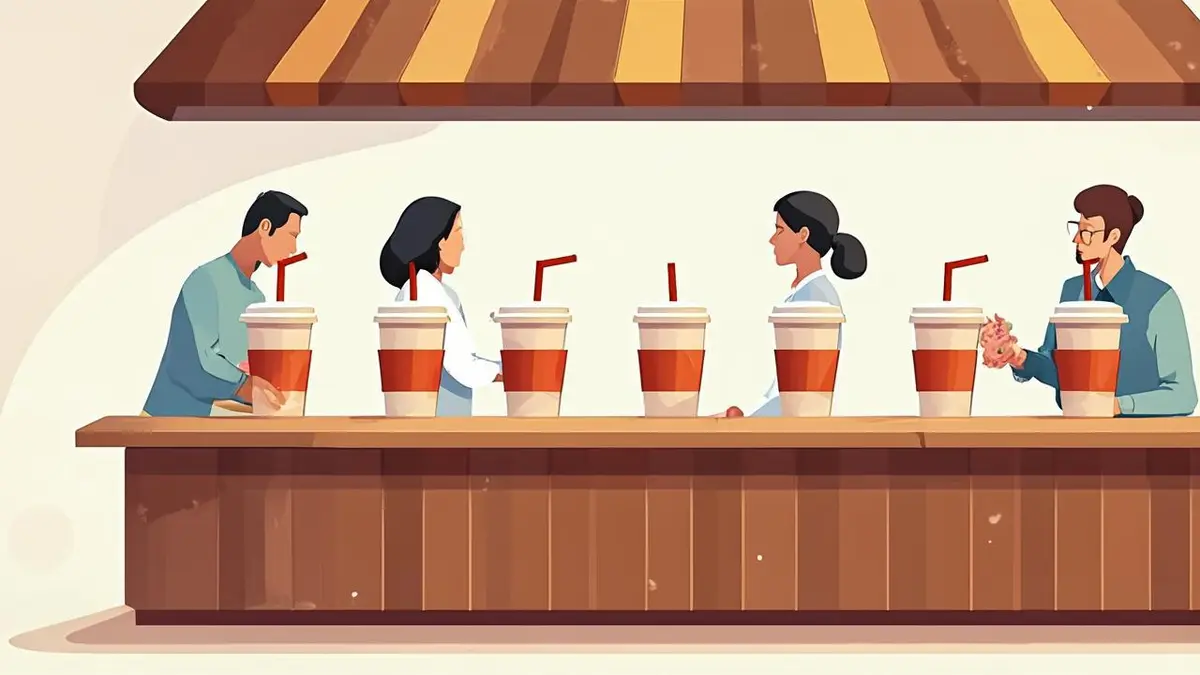
A post on the Chinese forum Hupu has been drawing steady attention this week for a simple observation: in 2026, the bubble tea shops that are doing well are the cheap ones. The thread, titled roughly “the state of milk tea in 2026 — the low-price players are the ones surviving,” has become a small gathering place for people comparing receipts, store counts and the price of a basic cup.
To understand why this matters, it helps to know what milk tea is. Often called bubble tea or boba, it is a Taiwanese-born drink of tea, milk and chewy tapioca pearls that became a Chinese daily habit over the past decade. Chains like Heytea and Nayuki built their names on fresh fruit, premium ingredients and cups that once cost 30 yuan or more. For years, that was the aspirational end of the market.
The economics have shifted. Consumers who once treated a 30-yuan cup as a small luxury now think in terms of everyday spending, and a cup near 10 yuan or less is easier to justify several times a week. Budget chains have responded by pushing prices down, simplifying menus and opening in residential neighborhoods, subway exits and school-adjacent streets rather than glossy shopping malls. The result is a two-speed market: premium brands trimming store counts, value brands still adding them.
Forum commenters framed it as a lesson in positioning rather than a story about tea. One recurring argument was that the cheap chains never pretended to be a treat. They sell a habit, and habits survive tighter budgets. A second argument was about consistency: a 9-yuan cup that tastes the same every time beats a 28-yuan cup that varies by store.
There is a practical side too. Lower prices usually mean simpler supply chains — fewer fresh fruit deliveries, more shelf-stable syrups and powders, smaller stores with less staff. That lowers the break-even point per cup, which matters when rents in big cities keep climbing. Franchise operators say the model is easier to replicate in smaller cities, where a premium store may never earn back its fit-out costs.
None of this means the premium end is finished. Fruit-tea chains still draw long lines for seasonal releases, and the social-media value of a photogenic cup has not disappeared. What the Hupu thread captures is a change in default behavior. A drink that was once an occasion has become routine, and routine buyers are price-sensitive.
For global readers watching Chinese consumer trends, the milk tea market is a useful barometer. It is cheap enough to be bought weekly, visible enough to be discussed constantly, and competitive enough that pricing decisions show up fast in store openings and closures. When the cheap cups win, it usually says less about tea than about how confident ordinary shoppers feel.
The thread’s own conclusion was blunt and unsentimental: in 2026, the brands that stopped trying to be special are the ones still pouring.