China's Carmakers Crash Germany's Home Turf at the Paris Auto Show
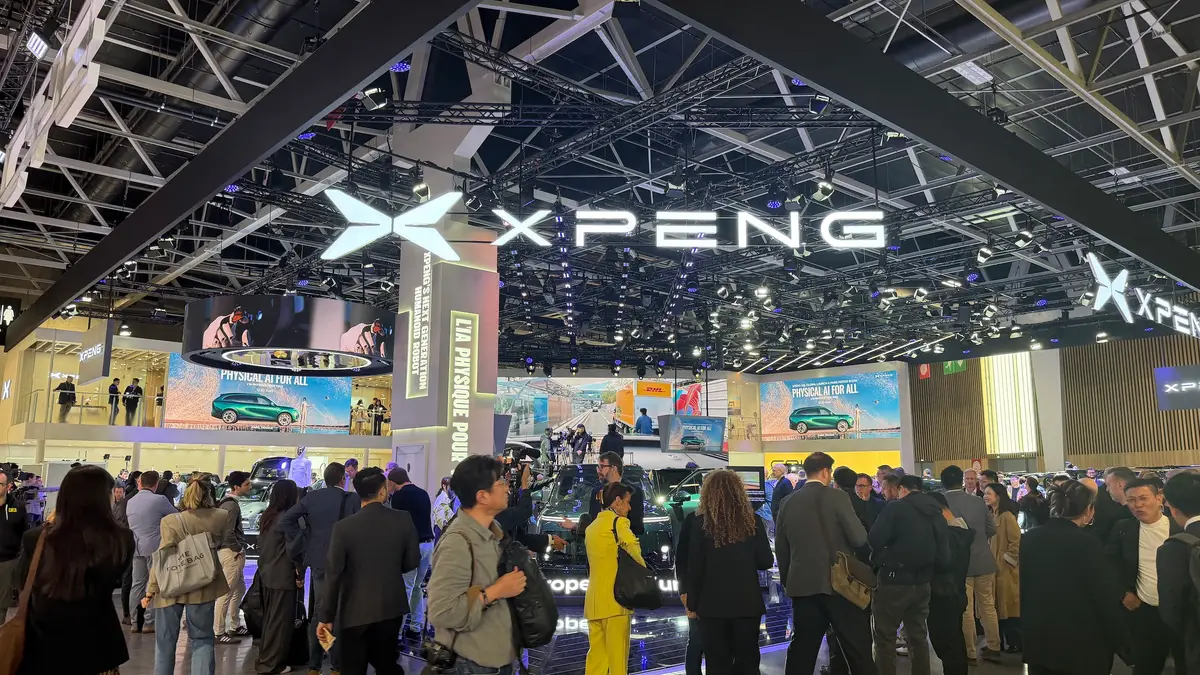
The 91st Paris Motor Show opened its media day on October 12 at the Porte de Versailles exhibition center, and the busiest hall belonged to brands that barely existed in Europe a decade ago. BYD, Chery, Geely, Changan, Li Auto, Aito and Avatr filled Hall 6 with battery-electric cars, plug-in hybrids and high-end smart vehicles. Together, Chinese automakers accounted for about 30% of the show’s passenger-car brands — the largest delegation the event has ever seen from China.
On the other side of the floor, some of Germany’s most famous names were missing. BMW, MINI and Porsche stayed away, leaving a gap that Chinese companies were happy to fill. The symbolism was hard to miss: a show long dominated by European engineering prestige now features a Chinese-brand cluster at its center.
Volkswagen’s chief executive responded by urging European manufacturers to work together rather than compete as isolated national champions. His argument is simple arithmetic. Chinese carmakers bring vertically integrated supply chains, fast software cycles and aggressive pricing, and they are no longer testing the European market — they are building factories, dealer networks and service operations inside it.
The numbers behind the display are equally striking. China’s passenger-vehicle market had a weak “Golden September,” the traditional autumn sales peak, with retail volumes falling sharply year on year, according to the China Passenger Car Association. Electric and plug-in hybrid models now make up roughly two-thirds of new retail sales at home, while sales of pure gasoline cars have dropped hard. That home-market squeeze gives Chinese brands a powerful reason to look abroad: growth in Europe is no longer optional, it is the next chapter.
Europe, though, is not an easy landing. The European Union has been tightening the rules around imported electric vehicles and local content. Building cars in Europe means navigating local manufacturing requirements, labor agreements, supplier contracts and distribution laws that differ from country to country. Winning show-floor attention is one thing; winning a place in the industrial rulebook is another, and that fight will be slower and less photogenic.
For European consumers, the near-term effect is more choice and sharper prices. Chinese entrants tend to arrive with generous equipment lists, long warranties and software features that older brands have been slow to match. For European incumbents, the pressure is to cut costs, speed up development and defend loyal customers who may now walk into a showroom and compare a familiar badge with a newcomer at a lower price.
The Paris show also shows how the contest has shifted in tone. A few years ago, Chinese participation was mostly about proving that the cars existed. Now the questions are about production capacity, brand trust and after-sales service in cities from Munich to Marseille. The Chinese companies that succeed in Europe will be the ones that treat it as a long-term industrial commitment, not a marketing tour.
On the final media day, Hall 6 was still crowded. Executives from both sides traded handshakes, and a few quiet conversations about partnerships. The show will close in a week, but the race it previewed will run for years — and it is now being fought in Europe’s own backyard.