Rove Beetles Are Swarming North China. Please Don't Eat Them
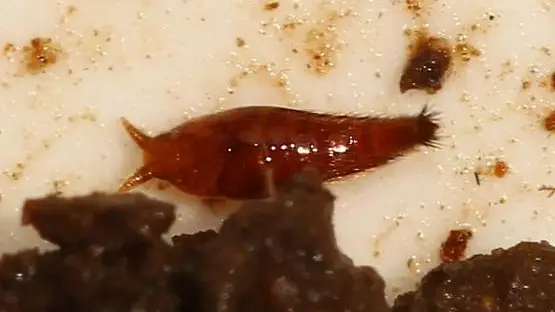
Every autumn, something small and orange starts showing up in northern Chinese cities, and this year it has been swarming widely enough that people are asking whether they should be worried. The insect is the rove beetle, a family of beetles so large that scientists have already named around 50,000 species and expect the count to pass 60,000 — putting it in the running for the biggest family in the entire beetle order.
A science writer at the outlet Guokr decided to get proper answers rather than guesswork, so she took two friends who had worked in rove beetle laboratories out for what she promised was Shanghai’s best beef noodle soup. The two specialists, she wrote, gradually lost the light in their eyes as the questions kept coming. The result is a plain-language guide to an insect most people have never thought about until one lands on their arm.
So what are rove beetles? Mostly they are small predators that hunt creatures smaller than themselves, and some feed on fungi. A few live inside ant nests, where they open wide mouths and effectively beg the ants for food. They are not bloodsuckers and they do not bite people. The trouble is chemical: when a rove beetle is crushed or brushed against skin, fluid from its body can cause a burning, blistering rash that takes days to settle. That is why the standard advice is to blow or flick one away rather than slap it.
On the question of what department to visit after eating one raw — a query the writer says she was actually asked — the answer is that this is not a recognised food, and the article treats the idea with the appropriate amount of alarm. Rove beetles are not a delicacy, not a supplement and not something to test on a dare.
What makes the story bigger than one itchy arm is the scale of the group. Rove beetles turn up in leaf litter, compost, riverbanks, farmland and city parks, and they are part of the quiet machinery that keeps small pests in check. Their sheer variety also makes them a favourite subject for researchers studying how insects diversify and how some species evolve to live inside the colonies of others.
Autumn is peak season because the beetles are moving and the weather suits them, and northern cities see more of them in wet years. Public health notices in past years have warned residents not to crush them against the skin and to wash affected areas with soap and water rather than scratching.
The takeaway from the noodle-soup interview is refreshingly simple. If an orange-and-black insect lands on you, do not panic, do not swat it, and above all do not eat it. Let it walk onto a piece of paper or just blow it away, and the encounter ends there. The beetles, for their part, are simply going about their business — hunting smaller bugs and, occasionally, begging dinner from ants.
It is a useful reminder that most wildlife encounters in a modern city are not emergencies. They are just small, strange neighbours passing through, and a little accurate information goes further than a rolled-up newspaper.