AI Tool REA Lets Anyone Reverse-Engineer Any App Feature
If you have ever used an app and wished you could copy one of its clever features into your own product, you have probably faced an awkward choice. You could study it and rebuild it from scratch, or you could hire an engineer who specializes in reverse engineering and spend days pulling the feature apart. This week, a new open-source project called REA has gone viral in developer circles by offering a third option: hand the whole job to an artificial intelligence model.
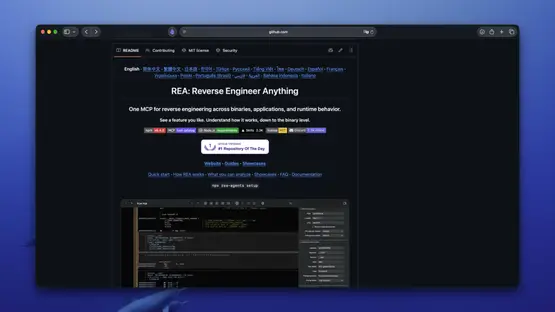
REA stands for “Reverse Engineer Anything.” Its GitHub page describes the idea plainly — see a feature you like, and let the tool figure out how it works. The project arrives at a moment when AI coding assistants are already common, but most of them help you write new code. REA points the same technology in the opposite direction, at software that already exists. For developers, that is a meaningful shift. Reading someone else’s compiled program is traditionally slow, fiddly work that requires patience and specialized knowledge.
The enthusiasm is easy to understand. Reverse engineering sits behind a huge amount of everyday software progress. Developers study how a competitor handles offline mode, how a popular app keeps its animations smooth, or how a game engine manages memory. In the past, that knowledge was passed around in technical forums and hard-won blog posts. A tool that automates even part of the process could compress weeks of work into an afternoon.
There are obvious limits. Compiled code does not come with friendly labels, and AI models can confidently produce explanations that are simply wrong. Anyone using such a tool still needs to verify what it claims, and shipping copied logic can raise legal and ethical questions depending on where the code came from and what license it carries. The project’s popularity does not erase those concerns; it just makes them more urgent to discuss.
Still, the reaction says something about where software development is heading. Just as AI assistants changed how people write code, tools like REA suggest the next frontier is understanding code that already exists. That could lower the barrier for smaller teams and solo developers who cannot afford a dedicated security researcher or a veteran engineer to unpack a tricky feature.
For now, REA is a young open-source experiment, and its long-term accuracy and legal standing remain open questions. What is clear is that developers are hungry for it. A tool that turns a days-long investigation into a conversation with a model fits neatly into a year when AI has already reshaped how software gets built, tested, and now, taken apart.