Changan's New Boss Inherits a Growth Problem
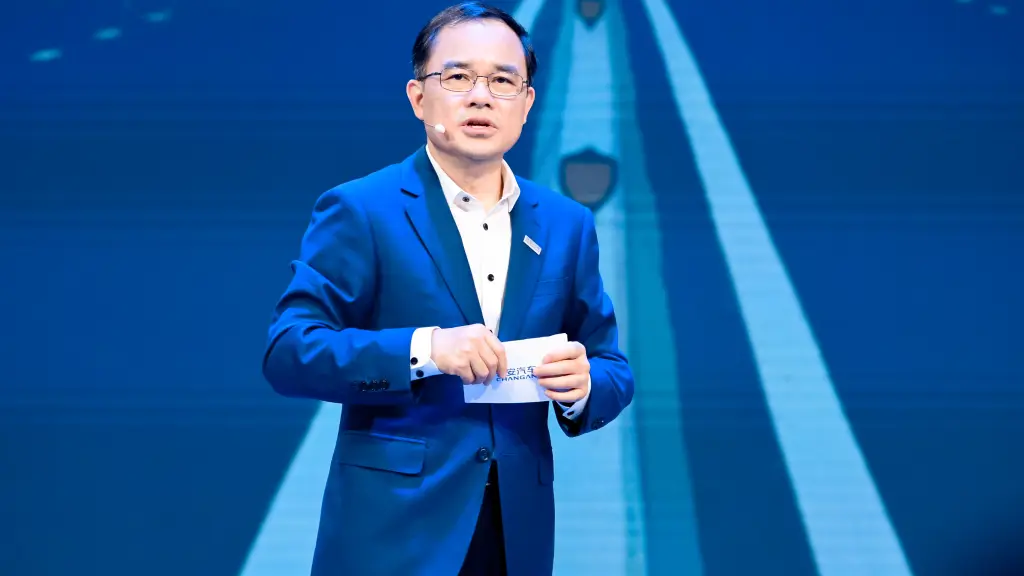
One of China’s oldest carmakers has changed the person at the top. Changan Automobile, a state-owned manufacturer headquartered in Chongqing, confirmed that Zhu Huarong has stepped down as chairman and that Zhao Fei will take over. The transition lands at an awkward moment: the company is under pressure on both sales volume and profit, and its new leadership is expected to be judged on whether it can get growth moving again.
Changan is not a niche player. It builds passenger cars under its own brand and through joint ventures with foreign partners, and it has been one of the more aggressive Chinese groups in electrification. Its lineup spans budget sedans, family SUVs and a growing family of electric vehicles and plug-in hybrids. It also operates the Deepal and Avatr brands, which target younger and more premium buyers respectively. For global readers, think of Changan as a mass-market giant trying to look and feel more like a tech-forward company.
That ambition is expensive. China’s car market has spent the past few years in a punishing price war, with discounts on everything from entry-level hatchbacks to flagship electric sedans. Carmakers have slashed prices to defend market share even as they spend heavily on batteries, software and driver-assistance systems. The result is a sector where revenue can rise while margins thin out, and where smaller or slower-moving brands risk being pushed aside.
The pressure is not unique to Changan. Across the industry, established manufacturers are being squeezed by fast-moving electric specialists and by tech companies moving into cars. Even the battery giant CATL, long the most powerful supplier in the chain, has had to work harder to keep carmakers loyal as they search for alternatives. Suppliers and automakers alike are discovering that the era when simply expanding production guaranteed rich profits is over.
Zhu Huarong had led Changan through a period of restructuring and brand building. His departure, and Zhao Fei’s appointment, signal a desire for a fresh push. The incoming chairman inherits a company with real manufacturing depth and a broad product range, but also one that must decide where to concentrate its bets: cheaper volume models, premium electric brands, or exports to overseas markets where Chinese cars are gaining ground.
Exports are likely to be part of the answer. Chinese automakers have been shipping more vehicles abroad, particularly to Southeast Asia, the Middle East, Latin America and Europe. That expansion brings its own challenges, from local regulations to building dealer networks and service capacity. For Changan, success overseas could offset slower growth at home, but it will not happen overnight.
The broader context is a Chinese auto industry in transition. Government ministries have been emphasizing product innovation and testing standards for smart connected vehicles, while battery-safety rules are being tightened. Carmakers are being asked to compete on safety and software as well as price. Changan’s new leadership will have to balance those demands against the simple need to sell more cars profitably.
For Zhao Fei, the honeymoon will be short. Investors, dealers and employees will want signs that Changan can regain momentum without sacrificing the quality and technology story it has been building. The company has the scale and the history; what it needs now is a clearer path to growth in a market that rewards speed and punishes complacency.