Chinese EVs Outperform Gas Cars at High Mileages
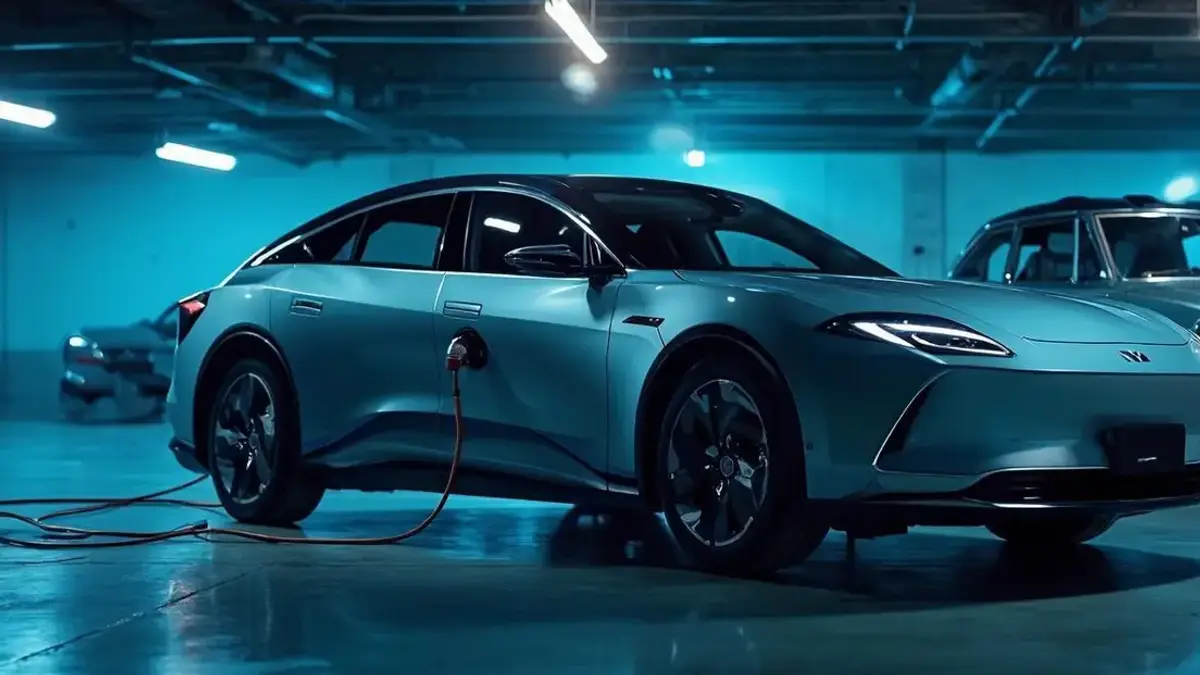
Chinese electric vehicles (EVs) have demonstrated superior reliability compared to gasoline cars at high mileage, according to a comprehensive analysis of 47.4 million UK vehicle inspection records. The study found that when cars reach 90,000-120,000 miles, Chinese electric vehicles had a 25% lower failure rate than their gasoline counterparts (16.5% versus 22.1%). For vehicles exceeding 120,000 miles, the gap widened further with EVs failing inspections at just 16% compared to 23.5% for gasoline cars.
This data challenges long-standing concerns about EV battery longevity and reliability, particularly for vehicles used extensively. The analysis examined UK Ministry of Transport (MOT) test data, which assesses vehicle roadworthiness annually. While the study didn’t specifically examine battery health, the overall reliability metrics suggest Chinese manufacturers have successfully addressed durability concerns that have historically plagued electric vehicles.
“The results indicate that Chinese EV manufacturers have made significant strides in quality control and component durability,” said automotive analyst Zhang Wei from Shanghai’s Transport Research Institute. “This is particularly important for commercial vehicles and consumers who plan to keep their cars for extended periods.”
Interestingly, the research revealed that Chinese EVs showed better reliability than gasoline models only after significant mileage accumulation. For vehicles driven less than 60,000 miles, the failure rates between electric and gasoline cars were relatively similar, suggesting that EV reliability advantages become more pronounced with increased usage.
The findings come as Chinese EV manufacturers expand their global presence. Companies like BYD, NIO, and XPeng have been aggressively entering European and other international markets. These reliability metrics could provide a competitive advantage as consumers become more concerned with total cost of ownership rather than just purchase price.
However, the study also noted areas for improvement. Chinese EVs showed tire wear rates twice that of gasoline vehicles, possibly due to heavier battery packs and different driving characteristics. Additionally, the UK MOT tests don’t specifically evaluate battery health, meaning long-term battery degradation wasn’t factored into the reliability assessment.
As the global automotive industry transitions toward electrification, these reliability benchmarks could influence purchasing decisions worldwide. The data suggests that Chinese manufacturers have successfully addressed early concerns about EV durability, positioning their vehicles as viable alternatives to traditional gasoline cars for high-mileage applications.