Zeekr's Zurich Billboard: Chinese Cars' Long March Into Europe
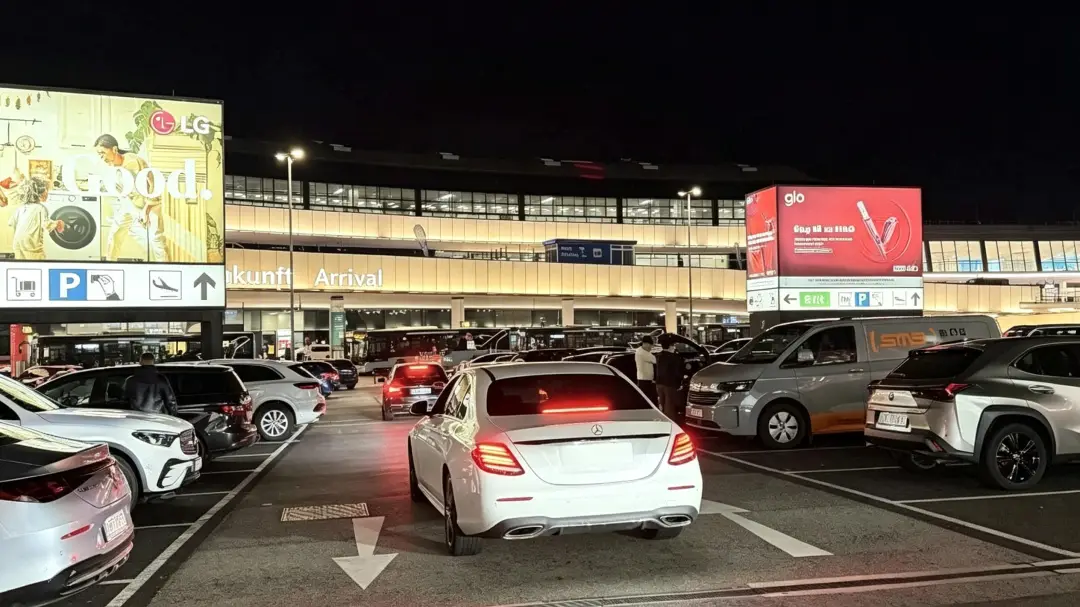
Landing at Zurich Airport, a traveler stepping out of the terminal is met by something unexpected: a vast billboard for Zeekr, a Chinese electric-car brand, covering a wall the size of a small building. The airport handled more than 32 million passengers last year, and among them, by common estimate, are a disproportionate share of Europe’s wealthy and decision-makers. The placement is no accident. It is a statement that Chinese cars are no longer content to be the cheap option at the back of the lot.
The journey to that wall took about sixteen years. In the earliest phase, around the late 2000s and early 2010s, Chinese automakers entered Europe mostly through budget sedans and small hatchbacks, sold on price and often met with skepticism from safety testers and reviewers alike. The strategy was volume at the low end, and it largely failed to build brand equity.
The turning point came with electrification. Chinese manufacturers had spent years building battery supply chains, software teams and manufacturing capacity at home, and Europe’s push toward electric vehicles gave them an opening. Brands like BYD, which began as a battery maker, and newer premium players such as Zeekr, backed by Geely, arrived with products designed for European tastes rather than adapted from domestic models.
The retail push has been deliberate and expensive. Airport billboards, city-center showrooms, sponsorship deals and partnerships with established dealer groups are all part of a playbook aimed at making unfamiliar names feel normal. In Switzerland, Germany and the Nordics, where EV adoption is already high and buyers are affluent, Chinese brands have been willing to spend on visibility that would have been unthinkable a decade ago.
The message has shifted too. Where early advertising leaned on price, newer campaigns emphasize design, charging speed, software features and interior quality. That is a harder sell in markets where Volkswagen, BMW and Mercedes-Benz command deep loyalty, but it is a necessary one: discounting alone invites a race to the bottom and invites scrutiny from regulators and rivals.
Challenges remain. European buyers are cautious about resale value and long-term service for unfamiliar brands, and dealer networks take years to build. Tariffs and local-content rules have added cost pressure, pushing some Chinese automakers to consider building factories in Europe rather than shipping finished cars. Brand trust, meanwhile, is earned slowly, one satisfied owner at a time.
Still, the direction is clear. A billboard at Zurich Airport is a small thing in the context of a global industry, but it signals confidence. Sixteen years after the first tentative exports, Chinese carmakers are no longer asking whether they belong in Europe. They are asking which segment of the market they can win next — and paying for the privilege of being seen while they find out.