RED LAND Returns to Shanghai's Fuxing Island With 160-Plus Game and Anime IPs
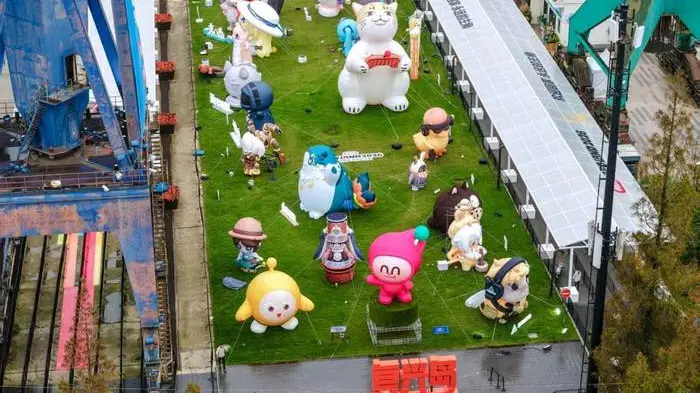
Shanghai’s Fuxing Island has been transformed into a sprawling pop-culture playground for the second year running, as the RED LAND festival opened its gates on October 2 and will keep them open until October 6. Queues had already formed at the entrance of Chuantai Park before 10 a.m. on day one, according to organizers, with fans arriving early to secure the most sought-after merchandise and stage spots. The event is a marquee attraction of China’s National Day holiday week, when tens of millions of people travel and look for things to do.
RED LAND is run by Xiaohongshu, the Shanghai-based lifestyle and social platform often described as China’s answer to Instagram, though it has grown well beyond photo sharing. The company calls the festival an “open-world adventure island,” borrowing a term from video game design to describe a physical space where visitors wander between themed zones rather than follow a single fixed route. Fuxing Island, a former industrial shipyard area on the Huangpu River, has been nicknamed “pain island” by fans, a playful reference to the Chinese word for the elaborate anime-themed decorations that cover merchandise and vehicles at such gatherings.
The scale is notably larger than the debut edition. Organizers say the site has grown from 80,000 square meters to 150,000 square meters, while the lineup of participating game and anime brands has doubled to more than 160. Ticket demand matched the expansion: the five sales rounds averaged 20.6 seconds before selling out, the company said, a figure that will resonate with anyone who has tried to buy concert or festival tickets in China.
Among the headline features is what organizers describe as the world’s first game and anime-themed parade float procession, a moving show that carries characters and mascots through the island rather than confining them to static booths. Parades of this kind are familiar from theme parks, but pairing them with game and anime properties at this scale is a novel format, and it gives visitors a reason to stay through the evening rather than treat the event as a daytime shopping trip.
The festival reflects a broader pattern in China’s entertainment economy, where game and anime properties increasingly function as lifestyle brands. Visitors are not only there to play demos or watch stages; they come for limited-edition goods, photo opportunities with costumed fans, and the social currency of documenting the day on platforms like Xiaohongshu. That loop, where online content drives offline attendance and offline attendance generates more online content, is central to why a social platform would invest in running its own festival.
For international readers, RED LAND is a useful window into how Chinese youth culture organizes itself. The event mixes global franchises with domestic properties, and the crowd skews young, mobile-first and comfortable spending on fandom. Running across the National Day holiday also ties it to domestic tourism, when cities compete for visitors with concerts, exhibitions and pop-up markets.
With five days still to run, organizers will be watching crowd management and transport links on Fuxing Island, a location that can be reached by metro but has limited road capacity. If the ticket data holds up, RED LAND looks set to cement its place as one of the holiday calendar’s biggest youth culture events, and a template other Chinese platforms may try to copy.