How a Folk-Tale Animation Became China's Box Office Dark Horse
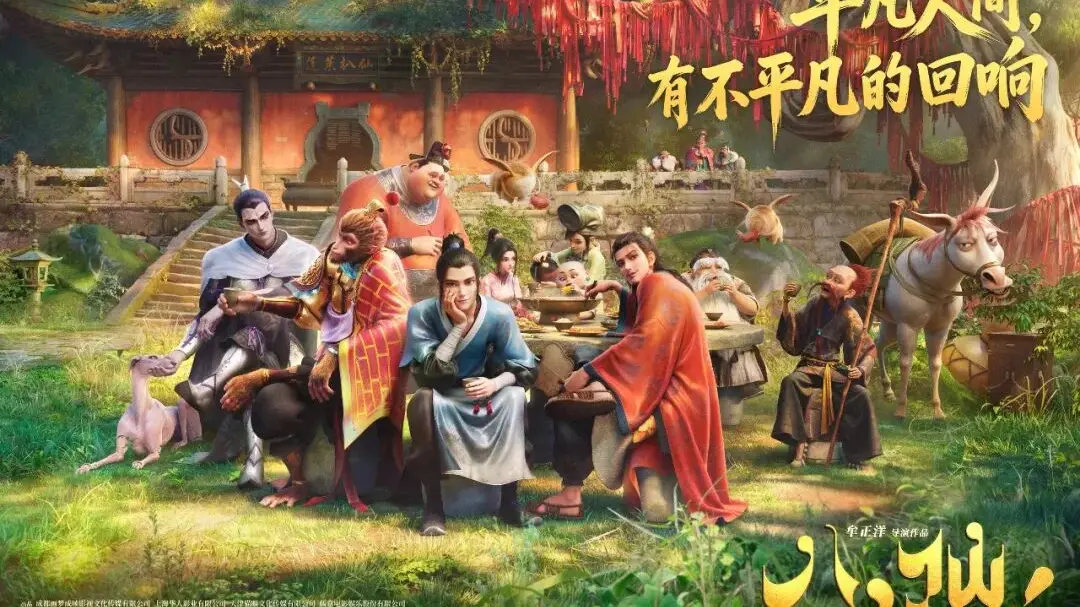
A summer animated feature called “Eight Immortals!” has quietly become one of the year’s biggest box office surprises in China. Released into a crowded holiday slate, the film kept climbing week after week and has now passed 2 billion yuan in total ticket sales, according to Chinese entertainment outlets. It is now in position to finish as the year’s highest-grossing animated film in the country.
The movie draws on the Eight Immortals, a group of legendary figures in Chinese folk tradition who each carry a distinctive power and object. The stories have been told for centuries in opera, novels and temple art, so audiences arrive already knowing the characters. That familiarity is exactly what has made the film’s success a talking point in the Chinese film industry.
Some critics argue that Chinese animation has developed a “mythology dependency,” leaning on well-known tales instead of inventing new worlds. A widely shared essay from the animation-focused account Animated Academia pushed back on that idea, calling it something of a false premise. The writer noted that audiences long for new stories but also feel unsettled when tradition is upended, authority is dissolved and order changes. Competing over who gets to interpret a character, the essay suggested, is an extension of competing over one’s own place in the culture.
That tension helps explain why the film works. It does not simply retell a familiar legend. It reworks the material for modern viewers, keeping the recognizable names while shifting how the characters relate to one another and to the idea of fate. The result is a story that feels both inherited and newly argued over.
The scale of the run is remarkable given the competition. Summer and early-autumn release windows in China are packed with big-budget titles, and animated films often struggle to hold screens once live-action blockbusters arrive. “Eight Immortals!” survived several rounds of that churn, suggesting strong word of mouth rather than a single opening-weekend push. On China’s all-time animated box office chart, it has already passed several major domestic hits.
The film’s performance also reflects a broader shift in Chinese animation. For years, the sector depended on a handful of franchise hits, with long gaps between them. More recent releases have shown that mid-sized studios can reach large audiences if they find a fresh angle on familiar material. Investors and studios watch these numbers closely because animation remains expensive and slow to produce, and a single success can fund several years of development.
For global readers, the story is a reminder that China’s biggest cultural exports often start at home. The Eight Immortals are not widely known outside East Asia, yet the film’s themes of duty, loyalty and personal freedom travel well. Whether the next hit comes from mythology or from an entirely new idea, the debate over where Chinese animation gets its stories is now part of the industry’s own plot.