Dongfeng Bets on Ammonia Power as It Braces for a Long Winter
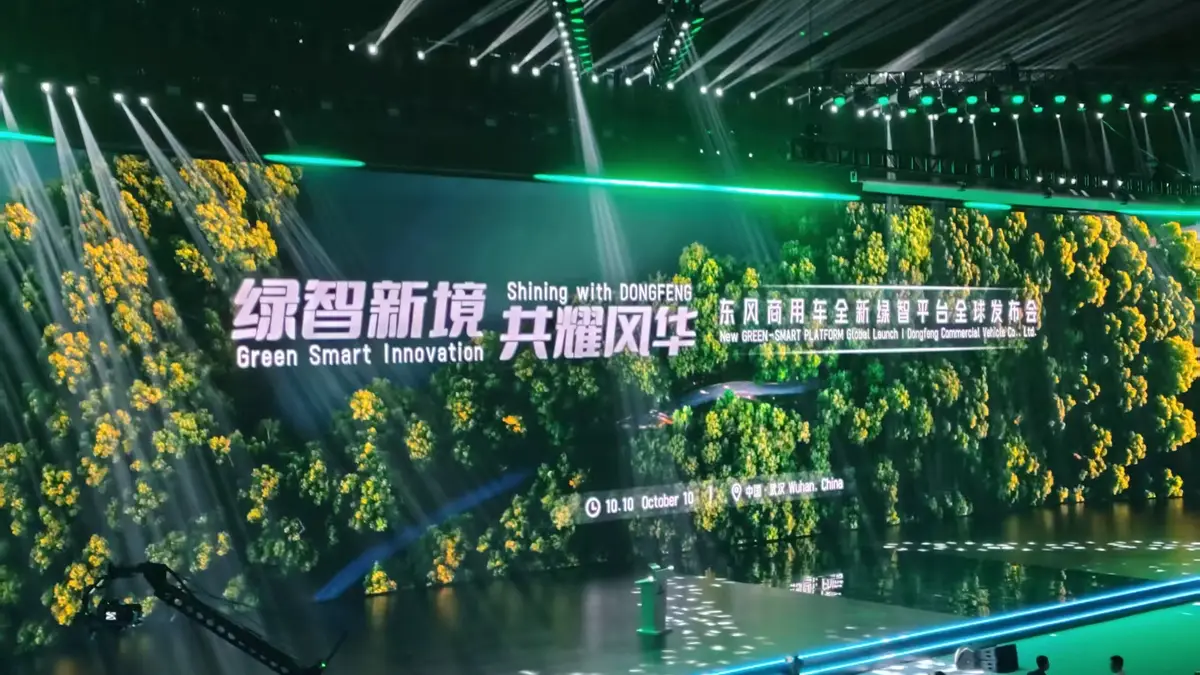
Dongfeng Motor, one of China’s oldest state-linked carmakers, has been making an unusual pitch in recent weeks: ammonia, the pungent chemical best known for fertiliser, could power the next generation of engines. Chinese business outlet Huxiu reported that the company is treating the technology as less of a dramatic comeback and more of a way to survive a hard stretch — a winter strategy, in its words.
The timing is not accidental. On October 14, negotiators from China and the European Union wrapped up a second round of trade and investment talks in Beijing, and the two sides said they had reached common ground on hybrid and electric vehicle trade. Dongfeng issued a statement that evening calling stable, clear trade rules essential for carmakers to run cross-border business, and noting that Europe is a priority market for its global plans.
For readers outside China, the context matters. Chinese electric-car makers have grown fast at home and are now pushing hard into Europe, where politicians have debated tariffs and other measures to protect local industry. Any hint that those tensions might ease is read closely in boardrooms from Wuhan to Wolfsburg. Dongfeng’s ammonia talk should be seen in that light: a hedge, not a victory lap.
Ammonia as a fuel is genuinely interesting to engineers. It burns without producing carbon dioxide, which makes it attractive on paper for heavy vehicles, ships and power generation. The catch is that it is toxic, corrosive and hard to ignite cleanly, and producing it at scale today usually involves fossil gas. So the technology sits somewhere between a lab curiosity and a long-term option, not a showroom feature.
Dongfeng is not alone in exploring alternatives while the electric market matures. Chinese carmakers have experimented with hydrogen, methanol and synthetic fuels, often with government research support. The logic is simple: if battery-electric sales slow, or if export markets close doors, a diversified engine portfolio keeps factories busy and engineers employed.
The broader mood in China’s car industry is cautious. A brutal price war at home has squeezed margins, and a wave of new models has left many brands fighting for attention. Reuters and other outlets have described an industry shifting from raw volume growth toward quality and profitability, a transition that favours scale players and punishes the rest.
Dongfeng’s own history reflects that pressure. Long reliant on joint ventures with foreign partners, it has been building its own electric brands and exporting more aggressively. An ammonia programme is unlikely to move sales figures soon, but it signals that the company wants options — technological, commercial and geographic — if the current electric surge cools.
What to watch next is whether ammonia moves from press statements to prototypes and pilot fleets. For now, the story is less about a fuel breakthrough than about a manufacturer reading the weather and packing for a colder season. In an industry where billions are bet on a single battery chemistry, a little hedging may be the most rational move of all.