China's Annual Scrap Tide Hits 9.8 Million Cars, and Steel Mills Want In
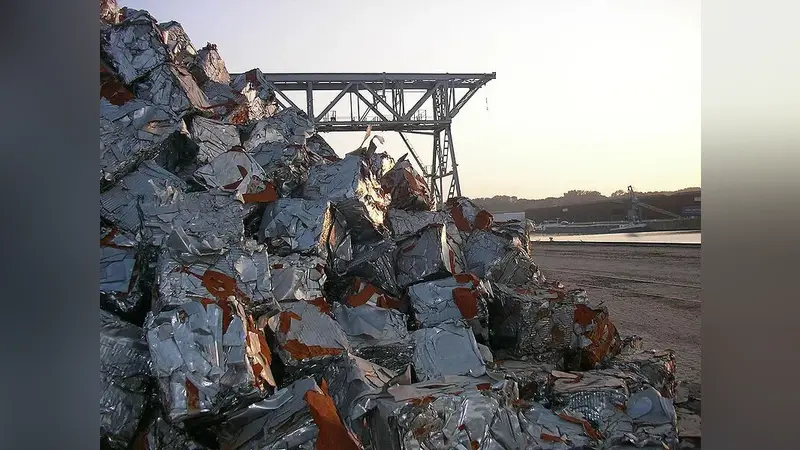
China now scraps close to 9.8 million vehicles a year, a figure large enough that the country’s steelmakers have started treating old cars as a resource rather than a nuisance. The scrap trade, once left to small dismantling yards, is drawing in the mills that need the raw material.
A retired car does not arrive at the yard as a single object. It is picked apart first. Mirrors, headlights, seats, speakers and window lifters come off and, if they still work, are sold as used components into the repair trade. Engines, batteries and tyres in decent shape are refurbished; the rest go into recycling streams. What remains is a bare shell, which gets flattened and sold by weight as scrap metal.
That shell is the part the steel industry cares about. Most of it ends up as steel bar, the rebar and construction steel that underpins Chinese building work. For a mill, a steady supply of scrap is a way to feed its furnaces without buying more iron ore, and the scrap route is generally less energy intensive than making steel from raw ore.
The economics of the repair side are what make the dismantling business worth doing at all. Parts carry far fatter margins than routine service work. Industry survey figures cited in Chinese trade reporting put the average gross margin on fitting a tyre at about 22 percent and a battery at 26 percent, while a shock absorber reaches roughly 45 percent and brake pads about 50 percent. Dismantling captures a piece of that parts trade before the car ever reaches a workshop.
Scale is the other force at work. Nearly ten million cars a year is a volume that rewards industrial organisation: centralised collection, sorting by material, and contracts with mills that can absorb thousands of tonnes of flattened steel. The scrapping sector also has to keep pace with the country’s electric vehicle fleet, where battery packs need their own handling and recovery routes rather than the shredder.
The broader context is a car market under pressure. With barely two months left in 2026, most Chinese automakers have filled less than seventy percent of their annual sales targets, according to industry tracking, and only a handful, including Zeekr, have already cleared the bar. Slower new-car sales do not stop cars from ageing; if anything, a large installed fleet keeps feeding the scrap pipe for years.
For global readers, the interesting question is not whether China can flatten old cars, but whether it can build a formal, profitable recycling industry around them. Steel mills moving upstream into dismantling is a signal that the material value is real. So is the used-parts trade, which quietly competes with new components on price. Watch whether more mills sign direct supply deals with dismantlers, and whether battery recovery becomes a standard part of the line rather than an afterthought.