A Brake Pedal Snapped Three Times. Now the Questions Begin
A single test video has turned into the biggest quality argument in China’s car world this autumn. On October 8, Dongchedi, a car-review platform owned by ByteDance, published footage of three Maextro V800 sedans undergoing repeated emergency stops from 100 kilometers per hour to a standstill. In all three cars, the bracket holding the brake pedal appeared to crack — on the third stop in one car, the fourth in another and the second in the third, according to the platform’s account.
The Maextro V800 is the first model from Maextro, a super-luxury brand priced around one million yuan, built jointly by telecom giant Huawei and automaker JAC. It is meant to be a flagship: large, quiet, packed with software, and aimed at buyers who would otherwise look at German sedans. That ambition is exactly why the video landed so hard.
Dongchedi says the test was routine. A 100-to-zero braking run is one of the most basic items in any performance evaluation, the platform argued, and drivers on highways brake hard from high speed all the time. Its staff stressed that the same bracket failed in the same place across three separate cars, which they described as a possible safety concern rather than an accident of one bad vehicle.
Critics pushed back quickly. Some commenters and industry figures said the test amounted to unusual abuse — a driver stamping on the pedal with far more force than a real emergency would require — and that presenting it as an everyday scenario was misleading. The argument has become a proxy fight about how much punishment a car should survive before a failure counts as a defect.
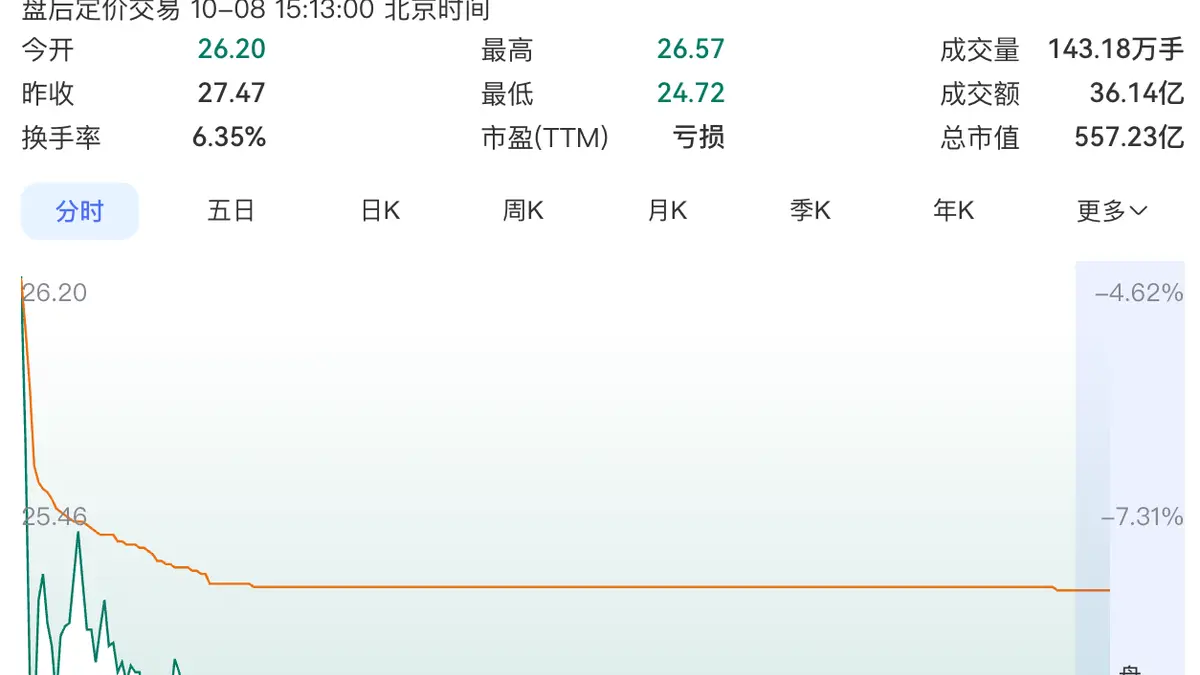
Investors reacted before the debate settled. JAC Motor, the listed partner behind the brand, fell to its daily trading limit on the first session after the National Day holiday and closed at 24.72 yuan, leaving its market value near 55.7 billion yuan. A limit-down day is the bluntest verdict a stock exchange can deliver, and it showed how much of JAC’s story now rides on the success of one expensive nameplate.
Maextro has not accepted the framing. In its response, the brand said the widely circulated “violent test” did not exist as described, that the braking experiment was not an extreme condition, and that it is looking into what happened. Neither side has published a full independent teardown, so the physical question — was this a design weakness, a materials problem, or a one-off batch issue — remains open.
What makes the episode more than a car story is the audience. Huawei’s entry into automobiles gave Chinese buyers a new kind of premium brand, one whose reputation rests on software polish and engineering confidence rather than a century of badge history. When a part as humble as a pedal bracket becomes the focal point, it tests whether that reputation can survive the scrutiny that comes with high prices.
The next steps matter more than the argument. A credible investigation would need to show the failed parts, explain the load they faced and say whether owners should expect a fix. Until then, every new Maextro on the road carries a question mark, and every rival has a talking point. In a market this crowded, trust is the most expensive component of all.