Memory Prices Turn Old iPhones Into Huaqiangbei's Hottest Stock
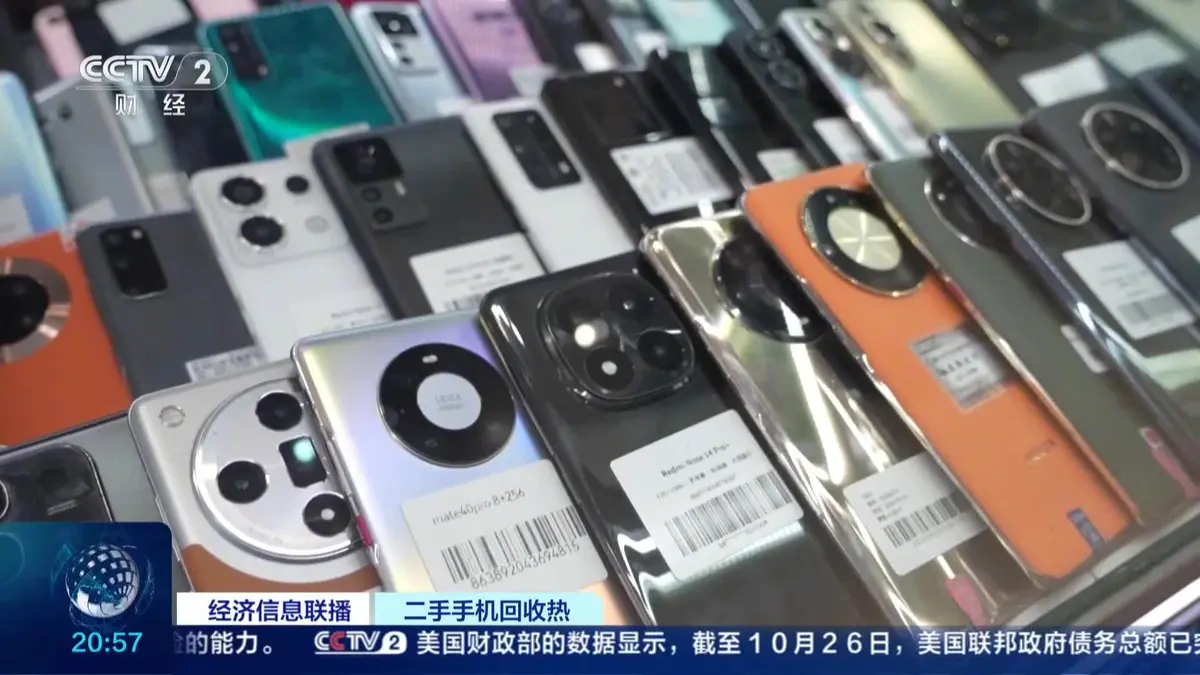
In most electronics markets, a smartphone is a depreciating asset: buy it new, watch it lose a fifth of its value within a year. In Shenzhen’s Huaqiangbei, the vast warren of stalls that serves as China’s informal barometer for consumer electronics, that rule has been bent this autumn by something upstream — the rising cost of memory chips.
According to reporting on October 28 and 29, second-hand phones in the market have held their value unusually firmly, and some popular models have even crept back up in price. iPhones in near-new condition, described as 99新 in the trade’s grading language, and handsets that have only been unboxed have become the items buyers ask for first.
The clearest illustration is the iPhone 15 Pro Max. Last year, second-hand units of the model reportedly slid to a little over 3,000 yuan. Now they are fetching 4,300 to 4,400 yuan, a rebound of roughly a third. In Huaqiangbei’s second-hand market, products priced above 4,000 yuan now make up more than 68 percent of the mix, a shift that says as much about what is available as about what shoppers want.
The mechanism is not mysterious. Memory — the DRAM and NAND flash that hold a phone’s working data and its photos, apps and messages — has been getting more expensive, a squeeze that has run through the industry as AI data centers soak up chip capacity. When memory gets dearer, new phones cost more to build, and the gap between a new handset and a good used one narrows. Buyers who might have stretched for new hardware start looking at last year’s flagships instead, and sellers who know what replacement parts and fresh stock now cost stop discounting.
That has changed the rhythm of a market that usually runs on relentless markdowns. A dealer quoted in the coverage noted that a hot model shedding 20 percent within a year is the normal pattern; this year the slide has stalled, and for a handful of devices the price has moved the other way. The trade has a word for it — 保值, roughly value retention — and it is being applied to phones that would ordinarily be halfway to obsolescence.
The effect is not confined to one market. Reports describe a broader pattern across China’s phone retail sector: some new models have gone up in price, and the used market has tightened alongside them. For consumers, that cuts two ways. Anyone holding a recent phone has an asset worth more than expected, and anyone hoping to upgrade cheaply finds the ladder shorter than it was.
Huaqiangbei has long been a place where China’s electronics supply and demand meet in the open, and its pricing is watched as an early signal. The current firmness suggests that the cost of memory is no longer an abstraction confined to chipmakers’ earnings calls: it is visible in the sticker on a used phone in a Shenzhen stall. Whether that lasts depends on how long memory stays expensive — and on whether buyers keep deciding that a nearly new handset at 4,300 yuan is the smarter purchase.